
Chronic Bronchitis
New Frontiers in Stem Cell Therapy for ALS Patients
Stem cell therapy offers hope for ALS patients, with promising research exploring its potential to repair damaged neurons and slow disease progression.
Stem cell therapy offers hope for ALS patients, with promising research exploring its potential to repair damaged neurons and slow disease progression.

Stem cell-based therapies hold immense promise for regenerating damaged hip joint cartilage. This article explores the clinical applications of stem cells in this context, examining their potential to restore cartilage function, reduce pain, and improve mobility.

Stem cell-derived cardiomyocytes hold promise for repairing damaged hearts. These cells have the potential to replace lost or damaged heart muscle cells, restoring heart function. However, challenges remain in ensuring the survival, integration, and functionality of these cells within the heart.

Adipose-derived stem cells (ADSCs) are emerging as a promising therapeutic option for cardiomyopathy. Their ability to differentiate into cardiomyocytes and secrete paracrine factors offers potential for myocardial regeneration and repair. Ongoing research explores the optimal delivery methods, timing, and dosage of ADSCs for maximum efficacy and safety in treating cardiomyopathy.

Induced pluripotent stem cells (iPSCs) offer a promising approach for cardiac cell replacement therapy. Their potential to differentiate into cardiomyocytes and integrate into the host myocardium makes them an attractive source of autologous cells for transplantation. By overcoming the limitations of embryonic stem cells, iPSCs provide a patient-specific and ethically acceptable solution for cardiac regeneration.

**Bioactive Factors in Stem Cell Cardiac Repair**
Bioactive factors play a pivotal role in the therapeutic potential of stem cells for cardiac repair. They orchestrate cellular processes, including proliferation, differentiation, and migration, influencing the fate and efficacy of stem cells in the damaged heart. Understanding the interplay between bioactive factors and stem cells is crucial for optimizing stem cell-based therapies and improving cardiac regeneration outcomes.
Modulating stem cells holds immense promise for advancing cardiac regeneration. By manipulating stem cell behavior, researchers aim to enhance their therapeutic potential for treating heart failure and other cardiovascular diseases. This approach offers a unique opportunity to harness the regenerative capabilities of stem cells to repair damaged heart tissue and improve cardiac function.
Discover the transformative power of stem cell treatment for a wide range of conditions. Explore the latest advances in regenerative medicine, where stem cells offer hope for healing and restoring damaged tissues.

Embark on a journey into the remarkable realm of stem cell differentiation, where unspecialized cells transform into specialized cells, laying the foundation for tissues and organs. Discover the intricate mechanisms that govern this process, shaping the development and regeneration of living organisms.

Delve into the intricate world of cellular function and explore the significance of cellular processes for life’s sustenance. Discover how cells, the fundamental units of life, execute essential tasks that maintain the delicate balance of living organisms. From nutrient absorption to energy production, this article unravels the multifaceted roles of cells, highlighting their vital contribution to the flourishing of life on Earth.

Stem cells therapy for Huntington’s disease. Huntington’s disease (HD) is a genetically heritable disease that destroys ‘medium spiny neurons’ (MSNs) in the brain, leading to emotional changes, mental decline and impaired movement. The clinical triad of HD includes chorea, psychiatric/behavioral disturbances and cognitive decline. Beneficial effects of stem cells therapy Read more
Stem cell therapy has witnessed significant milestones, including advancements in cell culture, gene editing, and personalized treatments. Future directions focus on optimizing delivery methods, addressing safety concerns, and exploring novel applications in regenerative medicine.
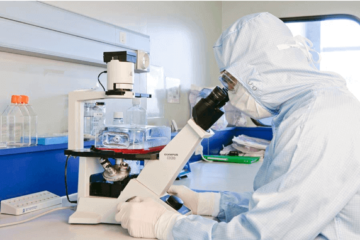
Stem cells hold immense potential in skin regeneration, offering therapeutic avenues for severe burns and chronic wounds. Their ability to differentiate into various skin cell types facilitates tissue repair and restoration. This article explores the current state of stem cell-based therapies, highlighting their applications, challenges, and future prospects in skin regeneration.
Stem cell advancements are revolutionizing veterinary medicine, offering unprecedented potential to treat complex animal health conditions. From regenerative therapies to immune modulation, stem cells empower veterinarians with innovative approaches, leading to improved animal well-being and longevity.
In 2024, stem cell therapy is poised to revolutionize MS recovery. With its potential to repair damaged tissue and restore function, stem cells offer hope for improved outcomes and a better quality of life for individuals living with MS.
Stem cell-based therapies are revolutionizing spinal disc regeneration, offering promising alternatives to traditional treatments. This article explores the latest advancements in stem cell research, highlighting their potential to restore disc function and alleviate chronic pain associated with spinal disc degeneration.
Gene editing technologies, notably CRISPR-Cas9, offer unprecedented opportunities to rectify genetic defects in cardiomyocytes, potentially revolutionizing cardiomyopathy and heart failure therapy. This article explores the state-of-the-art applications of gene-edited stem cells, highlighting their therapeutic potential and challenges in clinical translation.

Cardiac stem cells hold immense potential for regenerating damaged heart muscle, offering a promising therapeutic avenue. This article delves into the latest advancements in harnessing these cells for effective heart repair, analyzing their regenerative capacity and exploring innovative strategies to optimize their therapeutic efficacy.

**Stem Cell Strategies for Restoring Heart Contractility**
Stem cell-based therapies offer promising avenues for restoring heart function in patients with impaired contractility. This article analyzes the latest research advancements, exploring the potential of stem cells to regenerate damaged cardiac tissue and improve cardiac output.
**Stem Cells in Cardiac Repair: A Comprehensive Analysis**
Stem cells hold immense promise for mending and regenerating cardiac muscle. This article explores the mechanisms, challenges, and potential of stem cell therapy in the treatment of heart disease, providing a comprehensive analysis of their role in restoring cardiac function.
**Excerpt:**
Endothelial stem cells (ESCs) play a crucial role in maintaining cardiovascular health. Their ability to regenerate damaged endothelium contributes to vascular repair, angiogenesis, and the prevention of cardiovascular diseases. Understanding the mechanisms governing ESC function is essential for developing therapeutic strategies aimed at promoting heart health.

Stem cells are unspecialized cells that have the potential to develop into various cell types, making them crucial for growth, development, and repair. They hold immense promise in regenerative medicine due to their ability to replace damaged tissues and organs. Understanding stem cells is essential for advancing medical research and unlocking new therapeutic possibilities.

Stem cell transplantation, a groundbreaking medical procedure, offers hope to patients with life-threatening diseases. By replacing damaged cells with healthy stem cells, it has the potential to revolutionize treatments for conditions ranging from leukemia to spinal cord injuries.
Cell cycle regulators are proteins that control the progression of the cell cycle, ensuring accurate DNA replication and cell division. They act as checkpoints, monitoring key events and halting the cycle if errors are detected. These regulators play a crucial role in maintaining genomic stability and preventing uncontrolled cell growth, which can lead to cancer and other diseases.