Advanced regenerative medicine specializing in stem cell therapy offers innovative protocols aimed at restoring structure and function in damaged tissues, organs, and systems that have not fully responded to conventional treatments. Stem cells harness their inherent regenerative capabilities to support healing, reduce inflammation, and promote functional recovery.
What Is Stem Cell Therapy?
Stem cell therapy is a specialized branch of regenerative medicine that uses living cells to:
- Reduce inflammation
- Suppress abnormal cell death (anti‑apoptotic effects)
- Modulate immune responses
- Promote tissue repair and regeneration
- Support structural and functional restoration of damaged tissue
Primary mechanisms include:
- Anti‑inflammatory action
- Recruitment and guidance of damaged tissues
- Support for regeneration instead of scar formation
- Inhibition of apoptosis
- Differentiation into connective, bone, cartilage, tendon, vascular, and other tissues
Conditions and Disease Categories Treated
Neurological Disorders
- Autism spectrum disorders
- Alzheimer’s disease
- Parkinson’s disease
- Post‑traumatic CNS injury, chronic fatigue syndrome, ALS
Musculoskeletal Problems
- Arthritis and osteoarthritis
- Sports injuries

Endocrine and Metabolic Disorders
- Type 1 & Type 2 diabetes
- Diabetic foot and neuropathic ulcer healing
- Thyroid dysfunction
Cardiovascular Conditions
- Post‑stroke rehabilitation
- Cardiovascular disease support
- Erectile dysfunction
Digestive Tract Diseases
- Crohn’s disease
- Cirrhosis and chronic pancreatitis
- Ulcerative colitis
Respiratory Diseases

- Cystic fibrosis
- COPD, asthma, chronic rhinitis
- Post‑COVID recovery
Autoimmune & Other Systemic Conditions
- Lupus
- Rheumatoid arthritis
- Multiple sclerosis
- Infertility, sexual health, anti‑aging
- Wilson’s disease, Huntington’s disease
Cell Types and Sources Used
- Umbilical Cord Blood Stem Cells – collected post‑birth, screened for infectious agents, low risk of immune reactions
- Umbilical Cord Mesenchymal Stem Cells (Wharton’s Jelly) – highly proliferative, suitable for broad age ranges and autoimmune conditions
- Autologous Adipose‑Derived Stem Cells – harvested via mini liposuction, reinjected same day, no risk of genetic mismatch
Treatment Protocols and Administration
Initial Assessment
- Medical history, imaging, lab work
- Multidisciplinary evaluation
- Tailored treatment recommendation
Preparatory Phase
- Pre‑treatment lab tests
- Blood collection for plasma carrier preparation
- Possible premedication to reduce allergic responses
Administration Routes
- Intravenous (IV): systemic infusion, ~30–40 minutes, observation for 4–5 hours
- Intrathecal (IT): spinal fluid injection for neurological conditions
- Intra‑Articular (IA): precise joint injections under imaging guidance
- Local Application: targeted delivery into tissues or wounds
Treatment Cycles
- Frequency varies by condition
- Delivered over days to weeks
- Often combined with rehabilitation or supplemental therapies
Safety, Follow‑Up & Expected Outcomes
- Minimal side effects; occasional transient fever, headache, nausea
- Long‑term adverse effects are rare
- Ongoing patient monitoring post‑therapy
- Follow‑ups at 1 month, 3 months, 6 months, 1 year
- Functional improvements may appear over weeks to months
Holistic & Complementary Support
- Orthomolecular counselling
- Personalized supplementation
- Dietary and lifestyle guidance to maximize regenerative outcomes
Summary
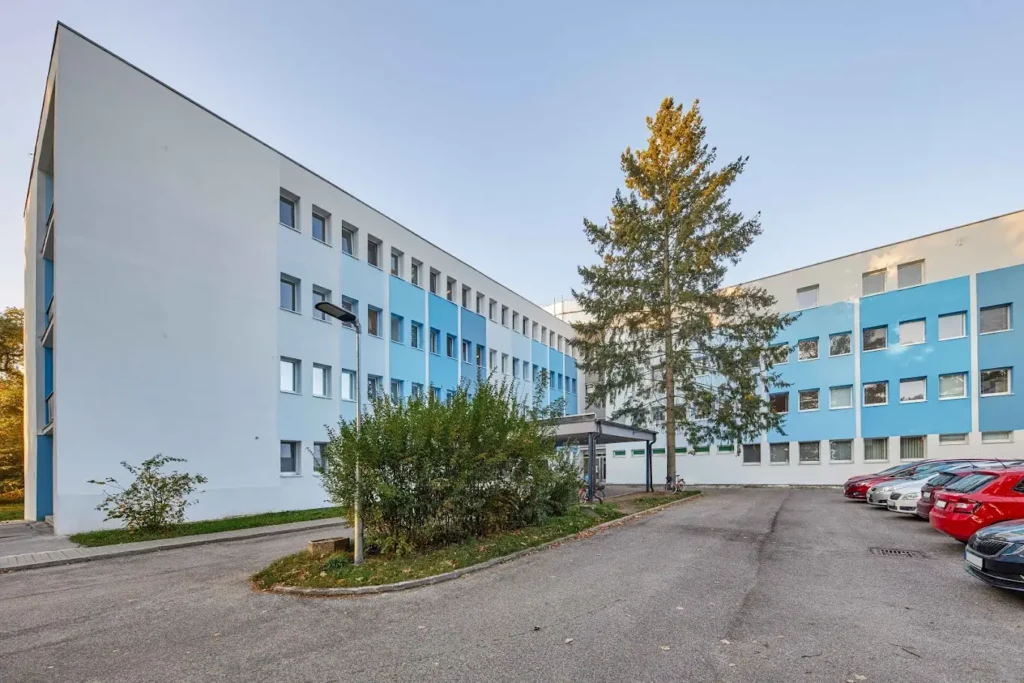
This clinic in Bratislava, Slovakia, provides multipronged regenerative stem cell therapy using advanced cell sources, tailored delivery methods, and individualized planning. It offers potential improvements across neurological, musculoskeletal, metabolic, cardiovascular, autoimmune, respiratory, and other systemic conditions where conventional treatments may be limited.

