4
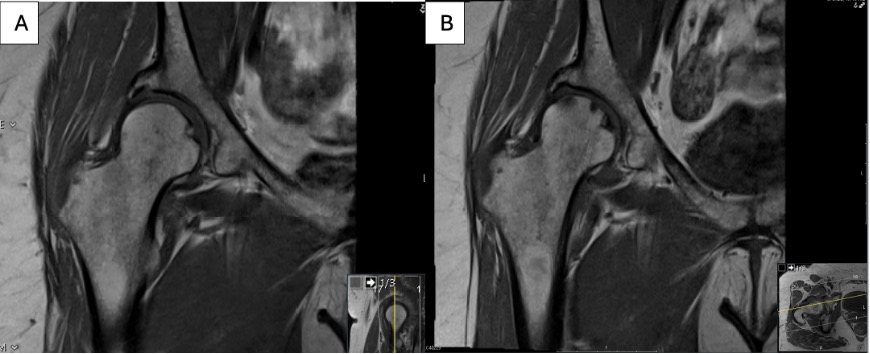
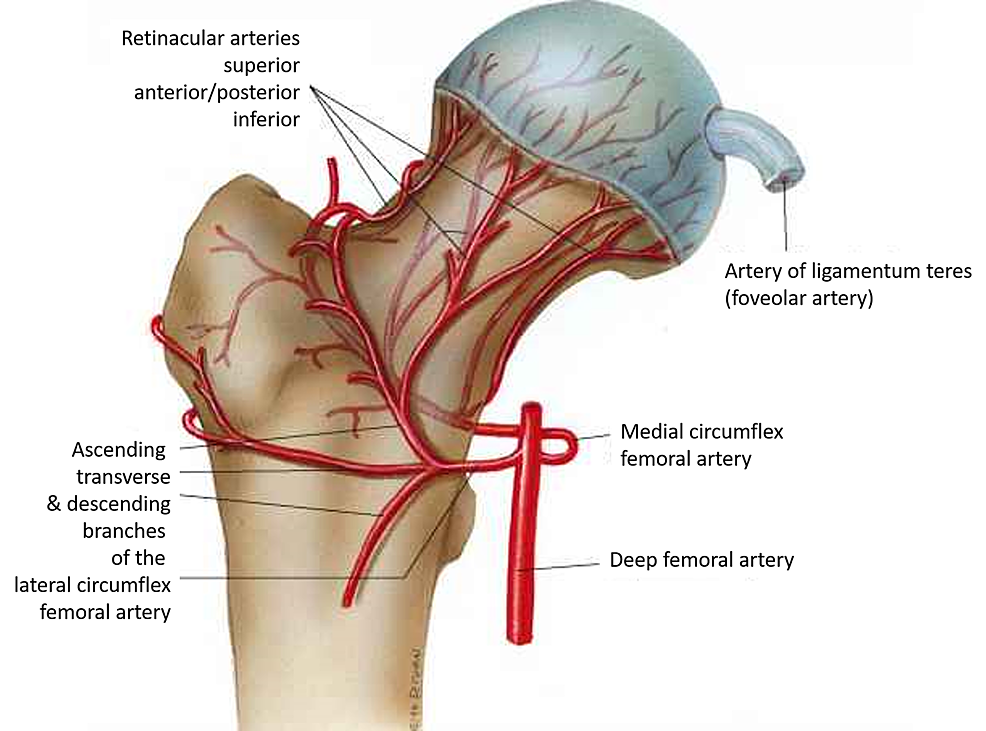
Avascular Necrosis (AVN) of the hip is a progressive condition caused by disruption of blood supply to the femoral head, leading to bone tissue death and joint degeneration.
But what makes this condition particularly serious?
And can modern regenerative approaches such as stem cell therapy offer a way to avoid surgery?
🧠 What Happens in AVN?
When blood flow is reduced, bone cells begin to die. Over time, this leads to:
- structural weakening
- microfractures
- collapse of the femoral head
👉 This raises an important question:
Why does the joint deteriorate so quickly once the process begins?
Because bone tissue cannot regenerate effectively without adequate blood supply.
⚠️ Symptoms
Patients often ask:
👉 “Why does hip pain appear without injury?”
Common symptoms include:
- deep hip or groin pain
- stiffness
- limited mobility
- pain during walking
In advanced stages:
- constant pain
- difficulty walking
- joint collapse
🔬 Limitations of Standard Treatment
Conventional treatment includes:
- medications
- reduced load
- surgical procedures
- hip replacement
👉 The key issue:
These treatments do not restore dead bone tissue.
🔬 Disease Stage and Regenerative Therapy Considerations
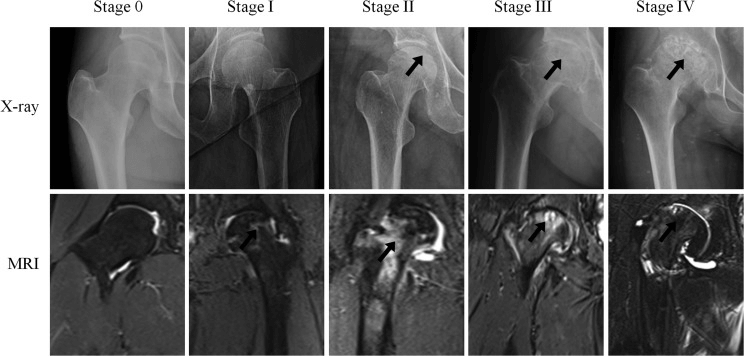
The effectiveness of treatment approaches for conditions such as Avascular Necrosis of the hip often depends on the stage and progression of the disease.
👉 This leads to an important question:
Does the stage of the disease influence the potential response to regenerative therapies?
🟢 Early and Moderate Stages
In earlier stages, when structural damage is still limited, there is generally a greater potential to:
- support bone regeneration
- improve blood supply
- reduce inflammation
- preserve joint structure
At this stage, regenerative approaches such as stem cell therapy are being explored as a way to support biological repair processes.
🟠 Advanced Stages
In more advanced stages, patients often ask:
👉 “Is it too late to consider alternative approaches?”
While structural changes may already be significant, treatment strategies may still focus on:
- improving function
- reducing symptoms
- supporting remaining bone tissue
- delaying joint replacement
🔬 Individualized Treatment Strategies
Regenerative medicine is based on individualized protocols.
Treatment approaches may vary depending on:
- stage of AVN
- degree of bone collapse
- patient condition
- clinical factors
🔁 Repeated and Staged Approaches
Another common question:
👉 “Is one treatment session enough?”
In some cases, particularly in progressive conditions, a staged approach may be considered, including:
- follow-up procedures
- repeated applications
- long-term monitoring
🌍 Why Barcelona?
In a biotechnology laboratory in Barcelona, Spain, an international team with over 25 years of experience in stem cell therapy focuses on:
- complex orthopedic conditions
- personalized treatment strategies
- regenerative approaches
🔬 Stem Cell Therapy and Bone Regeneration
Stem cell therapy is being studied for:
- bone regeneration
- improved circulation
- inflammation control
- structural support
🧠 Why Patients Look for Alternatives
Many patients search:
👉 “Can I avoid hip replacement?”
This is where regenerative medicine becomes relevant.
🔬 Future of AVN Treatment
👉 Key question:
Will future treatment focus on preserving joints instead of replacing them?
📩 Contact
If you are exploring options for Avascular Necrosis, you can contact the medical team below.