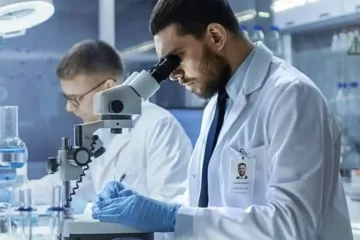
Technologie des cellules souches: A Revolutionary Approach to Cardiac Repair
Stem cell technology has emerged as a promising frontier in cardiology, offering unprecedented potential for cardiac repair following infarction. This article explores the transformative role of stem cells in the future of cardiological rehabilitation, examining the current state of research, ongoing challenges, et les orientations futures dans ce domaine en évolution rapide.
Infarction and the Need for Advanced Treatment Strategies
Infarctus du myocarde, communément appelé crise cardiaque, se produit lorsque le flux sanguin vers le cœur est bloqué, entraînant des lésions tissulaires et une altération de la fonction cardiaque. Despite advancements in medical care, infarction remains a leading cause of morbidity and mortality worldwide. Conventional treatment strategies, such as medications and surgical interventions, provide limited regenerative capacity and often fail to restore full cardiac function.
Cellules souches: A Source of Regenerative Potential
Stem cells possess the unique ability to self-renew and differentiate into various cell types, y compris les cardiomyocytes (cellules du muscle cardiaque), vascular endothelial cells, et cellules musculaires lisses. This regenerative potential makes stem cells an attractive therapeutic option for cardiac repair after infarction.
Types of Stem Cells Used in Cardiological Rehabilitation
Several types of stem cells have been investigated for use in cardiological rehabilitation, y compris:
- Cellules souches embryonnaires (ESC): Dérivé d'embryons à un stade précoce, Les CES sont pluripotents, ce qui signifie qu'ils peuvent se différencier en n'importe quel type de cellule du corps.
- Cellules souches pluripotentes induites (iPSC): Créé en reprogrammant des cellules adultes, iPSCs share similar characteristics to ESCs and can be patient-specific, réduire le risque de rejet immunitaire.
- Cellules souches mésenchymateuses (MSC): Trouvé dans divers tissus, Les MSC sont multipotents, ce qui signifie qu'ils peuvent se différencier en un nombre limité de types de cellules, y compris ceux trouvés dans le cœur.
Mechanisms of Stem Cell Action in Infarcted Myocardium
Stem cells exert their therapeutic effects in the infarcted myocardium through various mechanisms:
- Myocardial regeneration: Les cellules souches peuvent se différencier en cardiomyocytes, replacing damaged or lost heart muscle cells and restoring cardiac function.
- Angiogenèse: Stem cells promote the formation of new blood vessels, improving blood flow to the infarcted area.
- Effets paracrines: Stem cells secrete growth factors and cytokines that stimulate the survival, prolifération, and migration of endogenous cardiac cells.
Études précliniques: Promising Results and Challenges
Des études précliniques sur des modèles animaux ont démontré le potentiel de thérapie par cellules souches for cardiac repair after infarction. These studies have shown improvements in cardiac function, taille réduite de l'infarctus, and enhanced angiogenesis. Cependant, challenges remain in translating these findings to the clinical setting, including optimizing stem cell delivery methods and addressing potential safety concerns.
Essais cliniques: Assessing Safety and Efficacy
Plusieurs essais cliniques sont actuellement en cours pour évaluer l'innocuité et l'efficacité de thérapie par cellules souches pour l'infarctus du myocarde. Même si les premiers résultats sont prometteurs, larger and longer-term studies are needed to determine the optimal stem cell type, dosage, et mode de livraison, as well as the long-term outcomes and potential adverse effects.
Méthodes de livraison de cellules souches: Optimization for Therapeutic Outcomes
The delivery of stem cells to the infarcted myocardium is crucial for achieving optimal therapeutic outcomes. Various methods have been explored, y compris injection directe, intracoronary infusion, and cell sheet transplantation. Ongoing research focuses on optimizing delivery strategies to enhance cell retention and survival, and to minimize potential complications.
Considérations éthiques dans la thérapie par cellules souches pour l'infarctus
Thérapie par cellules souches for cardiac repair raises ethical concerns related to the use of human embryos and the potential for tumor formation. Careful ethical guidelines and regulations are necessary to ensure the responsible and ethical use of stem cells in clinical practice.
Future Directions and Ongoing Research
Ongoing research in stem cell technology for cardiac rehabilitation includes:
- Development of novel stem cell types: Investigating alternative stem cell sources with improved therapeutic potential and reduced ethical concerns.
- Optimisation des modes de livraison: Refining delivery techniques to enhance cell engraftment and survival, and to minimize immune rejection.
- Thérapies combinées: Exploring the use of stem cells in conjunction with other therapeutic approaches, comme la thérapie génique ou l'ingénierie tissulaire.
Challenges and Barriers to Clinical Translation
Malgré les résultats précliniques et cliniques prometteurs, several challenges and barriers remain to the widespread clinical translation of thérapie par cellules souches pour l'infarctus du myocarde:
- Rejet immunitaire: Stem cells from different sources may be recognized as foreign by the recipient’le système immunitaire, conduisant au rejet.
- Low engraftment rates: Only a small percentage of transplanted stem cells survive and differentiate into functional cardiomyocytes.
- Problèmes de sécurité: La sécurité à long terme de thérapie par cellules souches, including the potential for tumor formation or arrhythmias, needs to be carefully evaluated.
Conclusion: The Promise and Path Forward for Stem Cell-Based Cardiac Rehabilitation
Stem cell technology holds immense promise for revolutionizing cardiac rehabilitation after infarction. En exploitant le potentiel régénérateur des cellules souches, we can potentially restore damaged heart tissue, améliorer la fonction cardiaque, and enhance patient outcomes. Les recherches et essais cliniques en cours ouvrent la voie au développement de thérapies à base de cellules souches sûres et efficaces., with the ultimate goal of providing new hope for patients suffering from myocardial infarction.