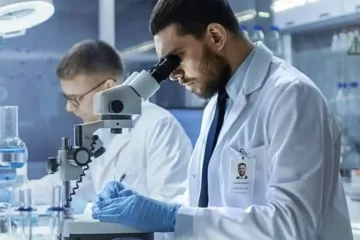
Post-COVID Neurological Recovery and Stem Cells
The COVID-19 pandemic has left a significant impact on global health, with millions of individuals affected by the virus. While many recover fully, a subset of patients experience persistent neurological symptoms, known as post-COVID syndrome. These symptoms range from cognitive impairment and fatigue to more severe neurological deficits. Stem cells have emerged as a promising therapeutic approach for post-COVID neurological recovery, offering the potential to restore neuronal function and alleviate symptoms.
Cellules souches: Potential for Neurological Regeneration
Les cellules souches sont des cellules non spécialisées dotées de la capacité remarquable de s’auto-renouveler et de se différencier en différents types de cellules.. In the context of neurological recovery, stem cells have the potential to replace damaged neurons and glial cells, promoting tissue repair and functional restoration. They can also secrete neurotrophic factors that support neuronal survival and growth.
Neurological Deficits in Post-COVID Syndrome
Post-COVID neurological deficits can manifest in various forms, y compris les troubles cognitifs, fatigue, maux de tête, sleep disturbances, sensory abnormalities, and motor dysfunction. These symptoms can significantly impact daily life and quality of life. The underlying mechanisms are not fully understood but may involve viral-induced inflammation, stress oxydatif, and blood-brain barrier dysfunction.
Stem Cell Therapy as a Therapeutic Approach
Thérapie par cellules souches aims to harness the regenerative potential of stem cells to treat neurological disorders. By introducing stem cells into the affected areas of the nervous system, researchers hope to replace damaged cells, favoriser la neurogenèse, et réduire l'inflammation. Différents types de cellules souches, y compris les cellules souches hématopoïétiques, cellules souches mésenchymateuses, et cellules souches pluripotentes induites, are being investigated for their therapeutic potential in post-COVID recovery.
Études précliniques: Promise and Limitations
Des études précliniques sur des modèles animaux ont démontré le potentiel de thérapie par cellules souches for neurological recovery after brain injury or stroke. Stem cells have been shown to enhance neuronal survival, promote axonal regeneration, and improve functional outcomes. Cependant, these studies also highlight the need for further research to optimize stem cell delivery and integration, as well as to address potential safety concerns.
Essais cliniques: Exploring Feasibility and Efficacy
Des essais cliniques sont en cours pour évaluer l'innocuité et l'efficacité de thérapie par cellules souches for post-COVID neurological recovery. These trials aim to assess the feasibility of stem cell transplantation, determine optimal cell types and delivery methods, and monitor the effects on neurological function and patient outcomes. Les premiers résultats sont prometteurs, but larger and longer-term studies are necessary to confirm the therapeutic potential and establish standardized treatment protocols.
Hematopoietic Stem Cells and Neurological Repair
Cellules souches hématopoïétiques, derived from bone marrow or peripheral blood, have been shown to have neuroprotective and immunomodulatory effects in animal models of neurological disorders. They can differentiate into microglia, which are resident immune cells in the brain, and contribute to tissue repair and inflammation resolution.
Cellules souches mésenchymateuses: Immunomodulatory Effects
Cellules souches mésenchymateuses, derived from various tissues such as bone marrow, tissu adipeux, et cordon ombilical, possess immunomodulatory properties. They can suppress immune responses, réduire l'inflammation, et favoriser la régénération des tissus. These effects may be beneficial in treating post-COVID neurological symptoms associated with inflammation and immune dysregulation.
Cellules souches pluripotentes induites: Versatility and Potential
Cellules souches pluripotentes induites (iPSC) sont générés par la reprogrammation de cellules adultes dans un état pluripotent. They have the potential to differentiate into any cell type in the body, y compris les neurones et les cellules gliales. iPSCs offer a promising approach for patient-specific stem cell therapies, car ils peuvent être dérivés du patient’ses propres cellules, réduire le risque de rejet immunitaire et les préoccupations éthiques.
Défis et considérations liés à la thérapie par cellules souches
Malgré le potentiel prometteur de thérapie par cellules souches, plusieurs défis et considérations doivent être abordés. These include optimizing stem cell delivery and integration, minimizing immune rejection, ensuring long-term safety and efficacy, and establishing standardized treatment protocols. Ethical considerations also arise, particularly regarding the use of human embryonic stem cells and the potential for tumor formation.
Orientations futures: Optimiser la livraison de cellules souches
Future research will focus on optimizing stem cell delivery methods to enhance their engraftment and integration into the nervous system. Novel strategies, such as biomaterial scaffolds and targeted delivery systems, are being developed to improve cell survival and migration.
Conclusion: Stem Cells and the Future of Post-COVID Recovery
Thérapie par cellules souches holds great promise for the recovery of neurological function in post-COVID syndrome. Preclinical studies and early clinical trials have demonstrated the potential of various stem cell types to promote neuroprotection, réduire l'inflammation, and enhance regeneration. Continued research is essential to optimize stem cell delivery, répondre aux problèmes de sécurité, and establish standardized treatment protocols. À mesure que le domaine avance, thérapie par cellules souches has the potential to revolutionize the treatment of post-COVID neurological sequelae, offering hope for improved recovery and enhanced quality of life for affected individuals.