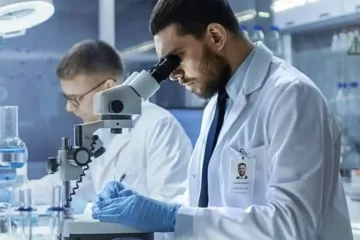
Investigación con células madre: A Potential Paradigm Shift in Post-Infarction Cardiac Repair
Infarto de miocardio, Comúnmente conocido como ataque al corazón., is a leading cause of morbidity and mortality worldwide. Despite advances in medical treatment, post-infarction cardiac repair remains a significant challenge due to the limited regenerative capacity of the adult heart. Stem cell research has emerged as a promising avenue to address this issue, offering the potential to regenerate damaged myocardium and restore cardiac function.
Terapia con células madre: A Promising Avenue for Regenerating Damaged Myocardium
Las células madre son células indiferenciadas con la capacidad de autorrenovarse y diferenciarse en varios tipos de células especializadas.. En el contexto de la reparación cardíaca., stem cells hold the potential to replace lost cardiomyocytes and promote the formation of new blood vessels, mejorando así la función cardíaca.
Understanding the Mechanisms of Stem Cell-Mediated Cardiac Repair
Stem cells exert their therapeutic effects through several mechanisms, incluido:
- Diferenciación: Las células madre pueden diferenciarse en cardiomiocitos, células endoteliales, and other cardiac cell types, contributing to the regeneration of damaged tissue.
- Efectos paracrinos: Las células madre secretan factores de crecimiento., citoquinas, and other molecules that promote cell survival, angiogénesis, and tissue remodeling.
- Inmunomodulación: Las células madre tienen propiedades inmunomoduladoras., reducing inflammation and promoting a favorable environment for tissue repair.
Estudios preclínicos: Evaluating the Efficacy and Safety of Stem Cell Therapy in Infarcted Hearts
Numerous preclinical studies in animal models have demonstrated the efficacy and safety of terapia con células madre for post-infarction cardiac repair. Estos estudios han demostrado que las células madre pueden mejorar la función cardíaca, reducir el tamaño del infarto, y promover la angiogénesis.
Ensayos clínicos: Translating Preclinical Findings into Patient Care
Building on the promising preclinical data, Se están realizando ensayos clínicos para evaluar la seguridad y eficacia de terapia con células madre in patients with myocardial infarction. Early results from clinical trials are encouraging, with some studies showing improvements in cardiac function and reduced infarct size.
Challenges and Considerations in Stem Cell-Based Cardiac Repair
While stem cell research holds great promise, there are several challenges and considerations that need to be addressed:
- Cell source: Identifying the optimal cell source for cardiac repair, whether autologous (las propias células del paciente) or allogeneic (células donadas), is crucial.
- Métodos de entrega: Developing efficient and targeted delivery methods to ensure optimal cell retention and integration into the infarcted heart is essential.
- Rechazo inmunológico: In the case of allogeneic stem cells, immune rejection remains a major concern that needs to be addressed through immunosuppressive therapies or immune engineering.
Células madre autólogas: Harvesting and Characterization Techniques
Células madre autólogas, como las células madre derivadas de la médula ósea, are appealing due to their reduced risk of immune rejection. Sin embargo, harvesting and characterizing these cells can be challenging and may impact their therapeutic potential.
Células madre alogénicas: Potential Advantages and Immunological Barriers
Allogeneic stem cells offer the advantage of off-the-shelf availability, but they face the challenge of immune rejection. Strategies such as genetic modification and immunosuppressive therapies are being explored to overcome these immunological barriers.
Métodos de administración de células madre: Optimizing Cell Retention and Integration
Various stem cell delivery methods are being investigated to enhance cell retention and integration into the infarcted heart. These methods include intramyocardial injection, catheter-based delivery, y andamios de biomateriales.
Ethical and Regulatory Considerations in Stem Cell Research
Stem cell research raises ethical and regulatory concerns, particularly regarding the use of human embryonic stem cells and the potential for tumor formation. Ethical guidelines and regulatory frameworks are essential to ensure the safe and responsible conduct of stem cell research.
Direcciones futuras: Advancing Stem Cell Therapy for Post-Infarction Cardiac Repair
La investigación en curso se centra en mejorar los métodos de administración de células madre., optimizing cell differentiation, and enhancing the paracrine effects of stem cells. Además, the development of gene editing techniques holds promise for creating stem cells with specific therapeutic properties.
Stem cell research has the potential to revolutionize post-infarction cardiac repair, offering new hope for patients with heart failure. By addressing the challenges and advancing the field through continued research, terapia con células madre can pave the way for effective and durable cardiac regeneration.