Última actualización: Agosto 17, 2026
A biosensor developed at Aalto University enables creating a range of new health tests similar to home pregnancy tests
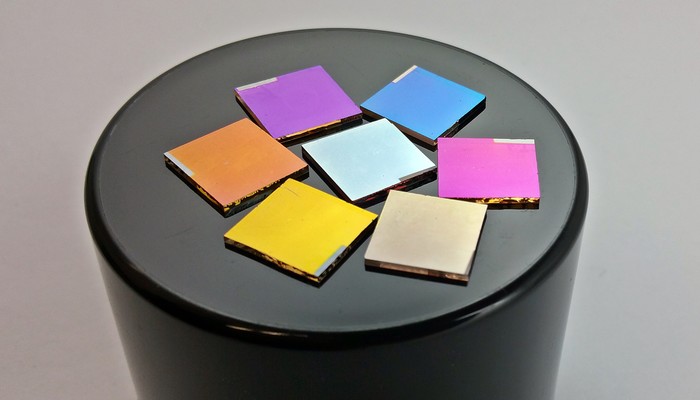
The plasmonic biosensor can detect diseased exosomes even by the naked eye. Exosomas, indicadores importantes de las condiciones de salud, Son vesículas derivadas de células que están presentes en la sangre y la orina..
A rapid analysis by biosensors helps recognize inflammatory bowel diseases, cancer and other diseases rapidly and start relevant treatments in time. In addition to using discovery in biomedicine, industry may use advanced applications in energy.
Researchers created a new biosensor by depositing plasmonic metaparticles on a black, physical body that absorbs all incident electromagnetic radiation. A plasmon is a quantum of plasma oscillation. Plasmonic materials have been used for making objects invisible in scientific tests. They efficiently reflect and absorb light. Plasmonic materials are based on the effective polarizabilities of metallic nanostructures.
“It is extraordinary that we can detect diseased exosomes by the naked eye. The conventional plasmonic biosensors are able to detect analytes solely at a molecular level. Hasta ahora, the naked-eye detection of biosamples has been either rarely considered or unsuccessful”, says Professor Mady Elbahri from Aalto University.
Plasmonic dipoles are famous for their strong scattering and absorption. Dr. Shahin Homaeigohar y Moheb Abdealziz from Aalto University explain that the research group has succeeded in demonstrating the as-yet unknown specular reflection and the Brewster effect of ultrafine plasmonic dipoles on a black body host.
“We exploited it as the basis of new design rules to differentiate diseased human serum exosomes from healthy ones in a simple manner with no need to any specialized equipment”, dice el doctor. Abdou Elsharawy from the University of Kiel.
The novel approach enables a simple and cost-effective design of a perfect colored absorber and creation of vivid interference plasmonic colors.
According to Elbahri, there is no need to use of sophisticated fabrication and patterning methods. It enables naked-eye environmental and bulk biodetection of samples with a very minor change of molecular polarizability of even 0.001%.
Source – Aalto University

Revisión de casos científicos
¿Le gustaría saber si los programas clínicos actuales, desarrollos recientes de investigación, o enfoques emergentes pueden ser relevante para su situación individual?
Envía tu pregunta a nuestro equipo científico. La oficina central de NBScience en el Reino Unido coordina consultas a través de la red internacional de centros médicos, científicos, y consultores especializados.
- Revisión de la información que proporcionas.
- Información relevante sobre programas clínicos y de investigación.
- Una respuesta clara y centrada en tu situación.
Sin compromiso. Su pregunta será revisada de forma confidencial..
Información educativa y de investigación únicamente.. Este servicio no constituye consejo médico, diagnóstico, prescripción, o un personalizado recomendación de tratamiento.
