Dernière mise à jour: Août 17, 2026

Introduction
Dans le domaine de la médecine de la longévité, l'intersection des cellules souches et des échafaudages révolutionne le domaine de la croissance et de la transplantation d'organes. La capacité d’exploiter le pouvoir régénérateur des cellules souches combinée à la précision des échafaudages offre une voie prometteuse vers l’allongement de la durée de vie humaine grâce à la création de nouveaux organes. Cet article se penche sur les techniques innovantes, candidatures, et implications de l'utilisation de cellules souches et d'échafaudages pour la croissance des organes, en mettant l'accent sur la transplantation autologue et son potentiel pour façonner l'avenir de la prolongation de la vie.

Comprendre les cellules souches et les échafaudages
Les cellules souches sont des cellules indifférenciées dotées de la capacité remarquable de se différencier en différents types de cellules dans le corps.. Ces cellules ont le potentiel de régénérer les tissus et organes endommagés, ce qui en fait un élément essentiel de la médecine régénérative. D'autre part, les échafaudages sont des structures qui fournissent un cadre permettant aux cellules de se développer et de s'organiser en tissus ou organes fonctionnels. En combinant des cellules souches avec des échafaudages, les chercheurs peuvent créer un environnement propice à la croissance et au développement des organes.
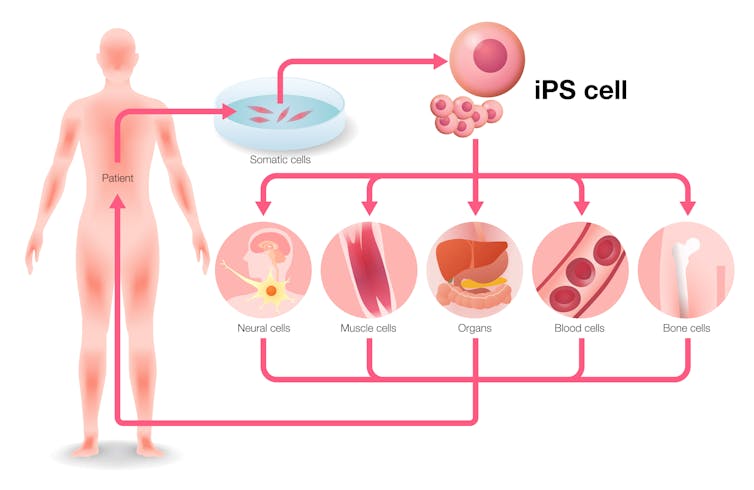
Le rôle des cellules souches dans la régénération des organes
Les cellules souches peuvent provenir de divers endroits du corps, y compris la moelle osseuse, tissu adipeux, et même des sources embryonnaires. Ces cellules possèdent la capacité de se différencier en types cellulaires spécifiques en fonction des signaux qu’elles reçoivent de leur microenvironnement.. Dans le cadre de la régénération des organes, les cellules souches peuvent être amenées à se différencier en types de cellules souhaités, nécessaires à la réparation ou au remplacement des tissus endommagés.
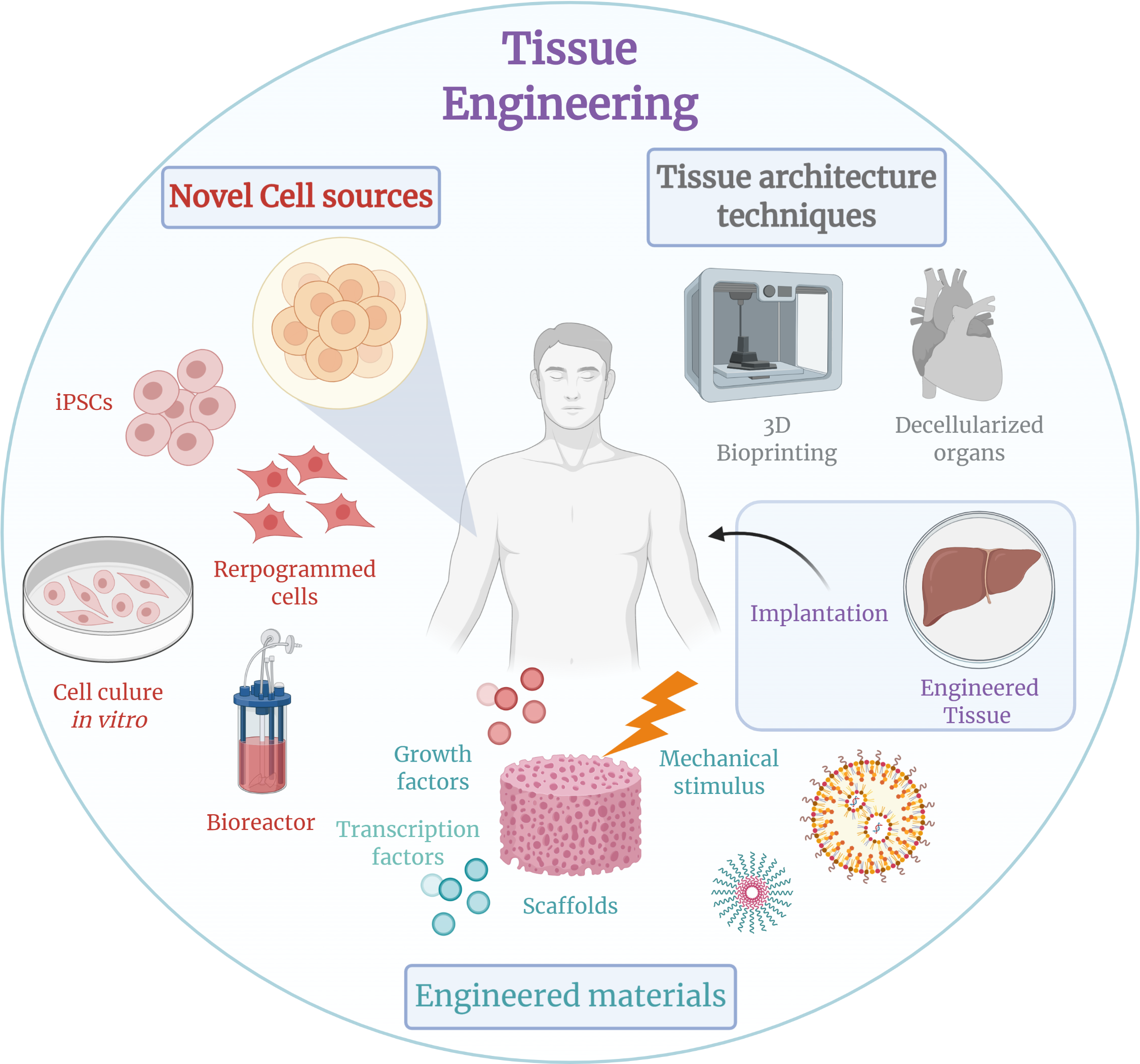
L'importance des échafaudages dans l'ingénierie des organes
Les échafaudages jouent un rôle crucial en fournissant un soutien structurel et en guidant la croissance des cellules en tissus fonctionnels. Ces structures peuvent être réalisées à partir de divers matériaux, comme les polymères synthétiques, biomatériaux naturels, ou matrice extracellulaire décellulaire. Le choix du matériau d’échafaudage influence la fixation des cellules, prolifération, et différenciation, déterminer en fin de compte le succès des processus d’ingénierie des organes.
Applications des cellules souches et des échafaudages dans la croissance des organes
La synergie entre les cellules souches et les échafaudages a ouvert de nouvelles possibilités pour la culture d’organes en laboratoire. Les chercheurs explorent diverses techniques pour concevoir des tissus et des organes complexes, y compris le coeur, foie, rein, et pancréas, en utilisant ces approches innovantes.
Régénération cardiaque avec des cellules souches et des échafaudages
Les maladies cardiaques restent une cause majeure de mortalité dans le monde, soulignant le besoin urgent de stratégies de traitement efficaces. En utilisant des cellules souches et des échafaudages, des chercheurs étudient des moyens de régénérer les tissus cardiaques endommagés et de restaurer la fonction cardiaque. Des techniques telles que l’ensemencement de cellules souches cardiaques sur des structures d’échafaudage s’avèrent prometteuses pour favoriser la réparation et la régénération des tissus.
Ingénierie des tissus hépatiques pour la médecine régénérative
Le foie joue un rôle essentiel dans les fonctions métaboliques et la détoxification du corps.. En cas de maladie ou d'insuffisance hépatique, la transplantation est souvent la seule option de traitement viable. Cependant, la pénurie de donneurs d’organes souligne l’importance de développer des approches alternatives. Les thérapies à base de cellules souches combinées aux technologies d'échafaudage offrent une solution potentielle pour la croissance de tissus hépatiques fonctionnels in vitro en vue d'une transplantation.
Reconstruction des reins et du pancréas à l'aide de techniques régénératives
L'insuffisance rénale chronique et le diabète sont des affections courantes pouvant entraîner un dysfonctionnement des reins et du pancréas., respectivement. Thérapies basées sur les cellules souches, couplé à des conceptions d'échafaudages avancées, prometteur pour la régénération des tissus rénaux et pancréatiques. En imitant les propriétés structurelles et fonctionnelles de ces organes, les chercheurs visent à créer des solutions personnalisées pour les patients ayant besoin d’un remplacement d’organe.
Transplantation autologue: Une approche personnalisée de la régénération des organes
La transplantation autologue consiste à utiliser les propres cellules d’un patient pour régénérer des tissus ou des organes, minimiser le risque de rejet et améliorer les résultats du traitement. Cette approche personnalisée exploite le potentiel régénérateur des cellules souches récoltées sur l'individu, combiné avec des conceptions d'échafaudages personnalisées adaptées aux besoins spécifiques des patients.
Avantages de la transplantation autologue en médecine de longévité
– Risque réduit de rejet immunitaire: L’utilisation des propres cellules du patient diminue le risque de réactions de rejet après la transplantation.
- Plans de traitement personnalisés: Adapter la conception de l’échafaudage et la source de cellules souches à chaque individu améliore l’efficacité et les résultats du traitement.
- Fonction des organes à long terme: En régénérant les organes à partir des cellules du patient, le potentiel de fonctionnement durable des organes et d’amélioration de la qualité de vie augmente.
- Coût et accessibilité: Rendre les technologies avancées de régénération d’organes accessibles à une population plus large reste un défi en raison de contraintes de coûts et d’une disponibilité limitée.
- Recherche et innovation: Poursuite des recherches sur l’optimisation de la différenciation des cellules souches, conception d'échafaudage, et les techniques d’ingénierie tissulaire sont essentielles pour faire progresser la médecine de la longévité.
L’avenir de la croissance des organes et de la prolongation de la vie
Alors que les cliniques de biotechnologie et les instituts de recherche continuent de faire progresser le domaine de l’ingénierie des organes, les perspectives de prolongation de la vie grâce aux cellules souches et aux échafaudages deviennent de plus en plus tangibles. La capacité de cultiver des organes personnalisés destinés à la transplantation recèle un immense potentiel pour améliorer la longévité et la qualité de vie humaine..
Défis et opportunités en médecine de la longévité
– Considérations réglementaires: Garantir la sécurité et l’efficacité des thérapies à base de cellules souches nécessite une surveillance réglementaire rigoureuse et des lignes directrices éthiques.
Conclusion
En conclusion, la convergence des cellules souches et des échafaudages représente une approche révolutionnaire pour faire croître des organes pour prolonger la vie. Grâce à la synergie des techniques de médecine régénérative, la régénération personnalisée des organes n'est plus une possibilité lointaine mais une réalité prometteuse. Alors que le domaine de la médecine de la longévité continue d’évoluer, l'intégration de cellules souches et d'échafaudages offre de nouvelles voies pour prolonger la durée de vie humaine et améliorer le bien-être général.
Explorez comment les échafaudages et les cellules souches façonnent la médecine de la longévité et découvrez le potentiel transformateur de la croissance des organes pour prolonger la vie..
—
En rédigeant cet article complet sur le thème de “Cellules souches et échafaudages: Cultiver des organes pour prolonger la vie,” nous avons fourni des informations précieuses aux professionnels de la santé, clients fortunés, et passionnés de longévité cherchant à comprendre les applications innovantes de la médecine régénérative dans l'ingénierie des organes. Ce contenu conçu par des experts combine des informations faisant autorité avec un récit convaincant, s'adressant à un public diversifié intéressé par les avancées de pointe dans le domaine de la médecine de la longévité.

Examen de cas scientifiques
Souhaitez-vous savoir si les programmes cliniques actuels, développements récents en recherche, ou des approches émergentes peuvent être adapté à votre situation individuelle?
Envoyez votre question à notre équipe scientifique. Le siège social de NBScience au Royaume-Uni coordonne les demandes de renseignements à travers le réseau international de centres médicaux, scientifiques, et consultants spécialisés.
- Examen des informations que vous fournissez
- Informations pertinentes sur la recherche et les programmes cliniques
- Une réponse claire et adaptée à votre situation
Aucune obligation. Votre question sera examinée de manière confidentielle.
Informations pédagogiques et de recherche uniquement. Ce service ne constituer un avis médical, diagnostic, ordonnance, ou un personnalisé recommandation de traitement.

