Dernière mise à jour: Août 17, 2026
Titre: Échafaudages d'organes et cellules souches: Pionnier d'une nouvelle frontière en matière de médecine de la longévité

Introduction
Alors que la quête de longévité prend de l’ampleur, le domaine médical connaît des avancées significatives sous la forme d’échafaudages d’organes et de cellules souches. Cette approche révolutionnaire de la prolongation de la vie promet non seulement de prolonger la durée de vie humaine, mais également d'améliorer la qualité de vie.. Dans cet article, nous plongeons dans le monde passionnant des échafaudages d'orgue, cellules souches, et leur rôle dans la médecine de la longévité. Nous explorerons les promesses qu'ils tiennent, les défis qu'ils présentent, et comment ils transforment l'avenir de la médecine de la longévité dans les cliniques de biotechnologie du monde entier.

Échafaudages d'orgue: Les bases
Les échafaudages d'organes sont essentiellement des structures 3D qui fournissent un environnement favorable à la croissance de nouveaux organes.. Ces structures servent de « modèle »’ pour le développement des organes, permettant la production d'organes autologues (organes cultivés à partir des propres cellules du patient), réduisant ainsi le risque de rejet et évitant le besoin de médicaments immunosuppresseurs.
La science derrière les échafaudages d’organes
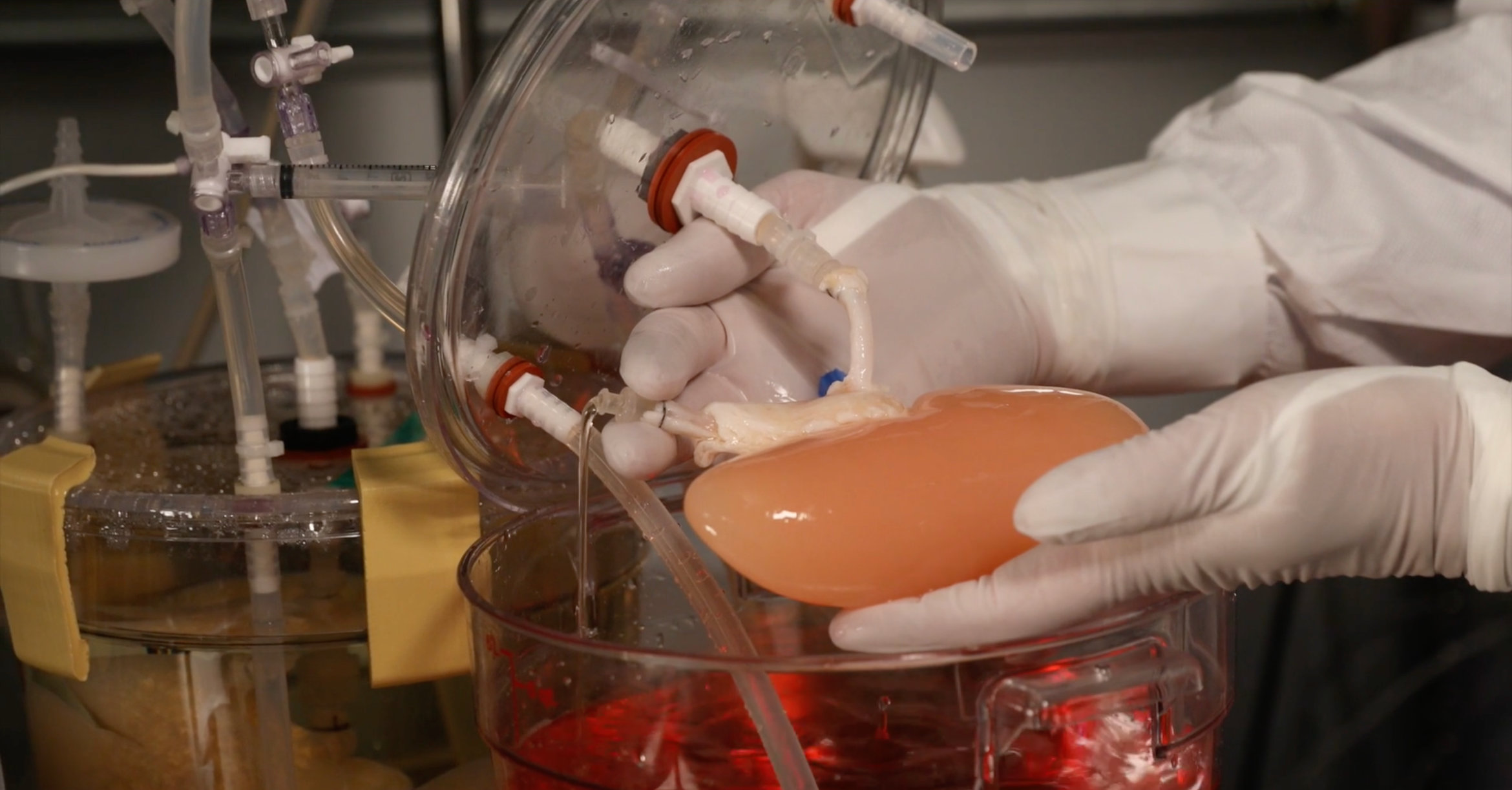
Le processus de création d’échafaudages d’organes implique l’utilisation de techniques de décellularisation, où un organe est dépouillé de ses cellules, laissant derrière lui un « échafaud »’ des tissus conjonctifs. Cet échafaudage maintient l'architecture complexe de l'organe d'origine et fournit un environnement hospitalier permettant aux nouvelles cellules de se développer et de se différencier..

Cellules souches: Les éléments constitutifs des organes autologues
Cellules souches, en raison de leur capacité à se différencier en différents types de cellules, servir de base à de nouveaux organes. Une fois l’échafaudage de l’orgue préparé, des cellules souches y sont ensemencées. Ces cellules grandissent et se différencient ensuite pour former un organe pleinement fonctionnel.. Ce processus est connu sous le nom de recellularisation.
Sources et types de cellules souches
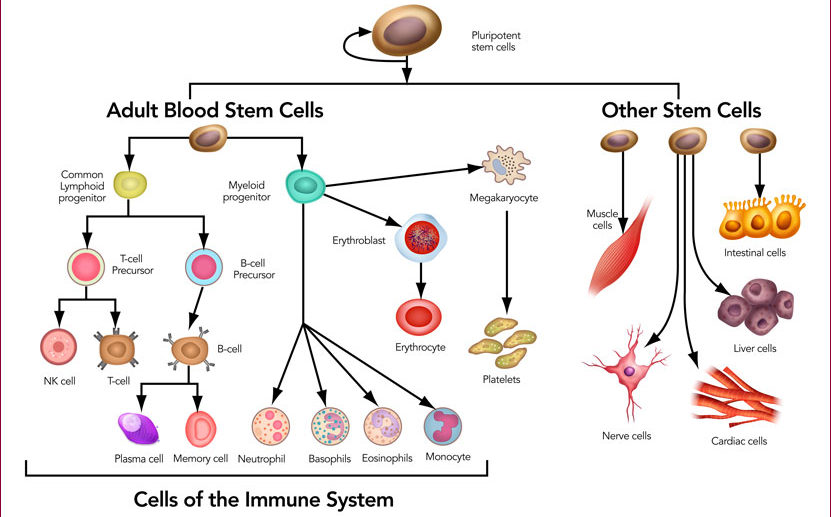
Les cellules souches peuvent être obtenues à partir de diverses sources, y compris les cellules souches embryonnaires, cellules souches adultes, et cellules souches pluripotentes induites (iPSC). Alors que les cellules souches embryonnaires présentent le potentiel de différenciation le plus élevé, des considérations éthiques limitent leur utilisation. Cellules souches adultes, d'autre part, sont moins controversés mais ont un potentiel de différenciation limité. iPSC, créé en reprogrammant des cellules matures dans un état semblable à une tige, présenter une alternative prometteuse, combinant le fort potentiel de différenciation des cellules souches embryonnaires avec l'acceptabilité éthique des cellules souches adultes.
L'intersection des échafaudages d'organes et des cellules souches dans la médecine de la longévité
La combinaison d’échafaudages d’organes et de cellules souches crée un outil puissant dans le domaine de la médecine de la longévité. En permettant la production d'organes autologues, cette technologie peut potentiellement atténuer la crise de pénurie d'organes et prolonger la durée de vie humaine en remplaçant les organes défaillants.
Cliniques de biotechnologie: L'avant-garde de la médecine de la longévité
Les cliniques de biotechnologie du monde entier sont à l'avant-garde de cette révolution. Ces cliniques exploitent le pouvoir des structures organiques et des cellules souches pour mettre au point des traitements qui non seulement prolongent la vie, mais améliorent également sa qualité..
Défis et orientations futures
Alors que le potentiel des structures organiques et des cellules souches dans la médecine de la longévité est indéniable, plusieurs défis doivent être relevés. Il s’agit notamment de la nécessité de techniques de déCELLULARISATION et de reCELLULATION plus efficaces., le risque de tumorigenèse associé aux cellules souches, et les considérations éthiques liées à leur utilisation.
Malgré ces défis, l’avenir de la médecine de la longévité semble prometteur, avec des recherches en cours visant à surmonter ces obstacles et à optimiser l'utilisation des structures d'organes et des cellules souches.
Conclusion
Les structures d’organes et les cellules souches représentent une nouvelle frontière dans la médecine de la longévité, offrant le potentiel de prolongation de la vie et d’amélioration de la qualité de vie. Même si des défis demeurent, les progrès réalisés jusqu'à présent sont encourageants, et les recherches en cours promettent de réaliser des percées encore plus intéressantes à l'avenir.
En tant que professionnels de la santé, passionnés de longévité, ou des clients d’élite cherchant à prolonger leur espérance de vie, il est crucial de se tenir au courant de ces évolutions et de comprendre leurs implications. Découvrez comment les structures organiques et les cellules souches transforment la médecine de la longévité et rejoignez l'avant-garde de cette révolution passionnante..

Examen de cas scientifiques
Souhaitez-vous savoir si les programmes cliniques actuels, développements récents en recherche, ou des approches émergentes peuvent être adapté à votre situation individuelle?
Envoyez votre question à notre équipe scientifique. Le siège social de NBScience au Royaume-Uni coordonne les demandes de renseignements à travers le réseau international de centres médicaux, scientifiques, et consultants spécialisés.
- Examen des informations que vous fournissez
- Informations pertinentes sur la recherche et les programmes cliniques
- Une réponse claire et adaptée à votre situation
Aucune obligation. Votre question sera examinée de manière confidentielle.
Informations pédagogiques et de recherche uniquement. Ce service ne constituer un avis médical, diagnostic, ordonnance, ou un personnalisé recommandation de traitement.

