Dernière mise à jour: Août 17, 2026
Stem Cell Therapy for Friedreich’s Ataxia: Une approche de médecine régénérative
Introduction
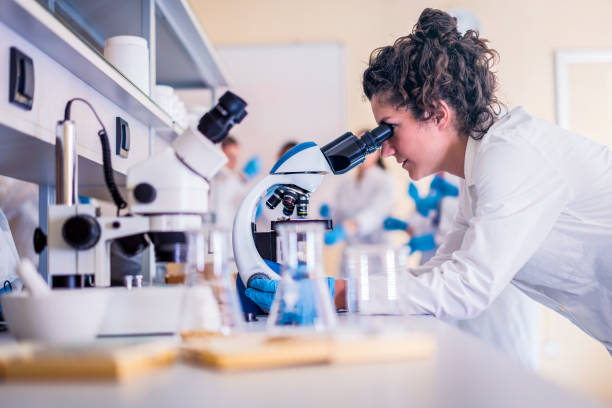
Friedreich’s ataxia (FA) is a progressive neurodegenerative disorder characterized by impaired coordination, faiblesse musculaire, and speech difficulties. It is caused by a mutation in the FXN gène, leading to a deficiency in frataxin, a mitochondrial protein crucial for iron homeostasis. Actuellement, there is no cure for FA, and treatments are largely symptomatic. Cependant, médecine régénérative, particulièrement thérapie par cellules souches, has emerged as a promising avenue for managing and potentially reversing disease symptoms.
Cet article explore le potentiel de thérapies basées sur les cellules souches for FA, y compris les résultats de la recherche clinique, applications pratiques, and observed improvements in motor function.
Pathophysiology of Friedreich’s Ataxia and the Role of Stem Cells
FA is primarily caused by GAA triplet repeat expansion dans le FXN gene, leading to frataxin deficiency, dysfonctionnement mitochondrial, stress oxydatif, et neurodégénérescence. This affects multiple organ systems, particularly the cervelet, dorsal root ganglia, and spinal cord, causing progressive motor impairment.
Stem cell therapy aims to address FA’s pathological mechanisms by replacing damaged neural and muscle cells, réduire l'inflammation, and enhancing mitochondrial function. The most commonly studied stem cell types for FA include:
- Cellules souches mésenchymateuses (MSC) – Known for their anti-inflammatory and regenerative properties.
- Cellules souches neurales (NSC) – Capable of differentiating into neurons and glial cells.
- Cellules souches pluripotentes induites (iPSC) – Derived from patients’ somatic cells and reprogrammed into neuronal progenitors.
- Cellules souches hématopoïétiques (HSC) – Have shown potential in modulating immune responses and promoting neuroprotection.
Résultats de la recherche préclinique et clinique
Nombreux préclinique et études cliniques have investigated the efficacy of stem cell transplantation in FA patients, focusing on neurological and motor function improvements.
1. Études précliniques
- MSCs in FA animal models: Studies using mouse models of FA have demonstrated that MSC transplantation can significantly réduire la neuroinflammation, enhance mitochondrial function, and improve motor coordination.
- iPSC-derived neurons: FA patient-derived iPSCs have been successfully differentiated into functional neurons, showing improved frataxin levels and mitochondrial restoration.
- Neural stem cell transplantation: NSCs transplanted into FA animal models have led to partial regeneration of cerebellar and spinal neurons.
2. Études cliniques
Plusieurs petites échelles essais sur l'homme have explored the feasibility of stem cell therapy for FA:
- UN Essai clinique de phase I dans Italie impliqué intrathecal administration of MSCs in FA patients. L'étude a rapporté:
- Improved balance and coordination
- Reduced muscle spasticity
- Enhanced mitochondrial activity
- Aucun effet indésirable grave
- UN 2020 étude depuis Espagne investigated the effects of autologous MSCs on FA patients. Principales conclusions incluses:
- UN 20% increase in walking endurance (6-minute walk test)
- Slight improvements in speech clarity and dexterity
- Reduction in oxidative stress markers
- Un autre essai en cours aux États-Unis. est en train de tester intravenous and intrathecal administration of MSC-derived exosomes, which have shown promise in promoting neuroprotection and myelin repair.
Mécanismes d'amélioration symptomatique
The beneficial effects of stem cell therapy in FA patients are attributed to several mechanisms:
- Neuroprotection and Anti-inflammatory Effects
- Les MSC sécrètent cytokines and growth factors (BDNF, FNG, IGF-1) that promote neuronal survival and réduire la neuroinflammation.
- Suppression of cytokines pro-inflammatoires (TNF-α, IL-6, IL-1β) in the central nervous system.
- Restoration of Mitochondrial Function
- MSC-derived exosomes improve ATP production and oxidative phosphorylation, conduisant à enhanced cellular energy metabolism.
- Reduction of iron accumulation in mitochondria, a hallmark of FA pathophysiology.
- Tissue Regeneration and Repair
- iPSC-derived neurons integrate into damaged neural circuits, enhancing synaptic plasticity and motor function.
- Neural stem cell transplantation can aid in the replacement of lost neurons and glial support cells.
Application clinique: Administration et résultats attendus
1. Voies d'administration
Selon le type de cellule souche, divers modes de livraison ont été explorés:
- Intraveineux (IV) infusion – MSCs are administered systemically to exert effets paracrines on multiple organ systems.
- Intrathécal (IL) injection – Direct delivery into the liquide céphalo-rachidien (LCR) to target spinal and cerebellar neurons.
- Administration intra-artérielle – Facilitates stem cell migration to specific brain regions.
2. Posologie et fréquence
- Des doses plus élevées (>100 millions de MSC) tend to show de plus grandes améliorations in motor coordination.
- Repeated injections (chaque 6–12 mois) may be required to maintain long-term benefits.
Observed and Potential Improvements in FA Patients
Motor Function: ✔ Increased muscle strength and balance ✔ Improved coordination in walking and fine motor tasks ✔ Reduction in tremors and involuntary movements
Speech and Swallowing: ✔ Clearer speech articulation ✔ Better swallowing ability, reducing aspiration risk
Energy and Fatigue Levels: ✔ Enhanced mitochondrial efficiency, leading to reduced fatigue ✔ Improved endurance in daily activities
Limites et défis
Malgré des résultats prometteurs, stem cell therapy for FA fait encore face à plusieurs défis:
- Efficacité à long terme inconnue – The durability of benefits requires further longitudinal studies.
- Risques de rejet immunitaire – Despite autologous transplantation, immune modulation remains a concern.
- Standardization of treatment protocols – Variability in sources de cellules souches, dosage, and administration methods requires optimization.
Future Directions in FA Treatment
- Gene-editing approaches (CRISPR-Cas9) combined with iPSC-derived neurons may offer permanent correction of FXN mutations.
- Thérapie par exosomes dérivés de cellules souches as a cell-free alternative for targeted mitochondrial restoration.
- Thérapies combinées intégrer cellules souches avec agents pharmacologiques (PAR EX., frataxin upregulators) to enhance clinical outcomes.
Conclusion
La thérapie par cellules souches présente un approche transformatrice for managing Friedreich’s ataxia, offre neuroprotection, mitochondrial repair, and motor function improvements. Les essais cliniques ont montré des résultats prometteurs, notamment avec MSC-based therapies et iPSC-derived neuronal replacements. Même si des recherches supplémentaires sont nécessaires pour établir sécurité et efficacité à long terme, regenerative medicine remains a hopeful frontier in the fight against FA, potentially leading to functional recovery and improved quality of life pour les patients.

Examen de cas scientifiques
Souhaitez-vous savoir si les programmes cliniques actuels, développements récents en recherche, ou des approches émergentes peuvent être adapté à votre situation individuelle?
Envoyez votre question à notre équipe scientifique. Le siège social de NBScience au Royaume-Uni coordonne les demandes de renseignements à travers le réseau international de centres médicaux, scientifiques, et consultants spécialisés.
- Examen des informations que vous fournissez
- Informations pertinentes sur la recherche et les programmes cliniques
- Une réponse claire et adaptée à votre situation
Aucune obligation. Votre question sera examinée de manière confidentielle.
Informations pédagogiques et de recherche uniquement. Ce service ne constituer un avis médical, diagnostic, ordonnance, ou un personnalisé recommandation de traitement.

