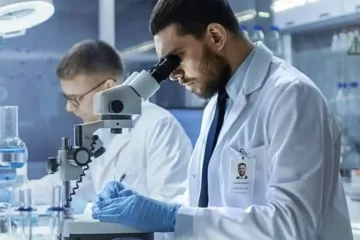
La médecine régénérative avancée spécialisée dans la thérapie par cellules souches propose des protocoles innovants visant à restaurer la structure et la fonction des tissus endommagés, organes, et des systèmes qui n’ont pas pleinement répondu aux traitements conventionnels. Les cellules souches exploitent leurs capacités régénératrices inhérentes pour favoriser la guérison, réduire l'inflammation, et favoriser la récupération fonctionnelle.
Qu'est-ce que la thérapie par cellules souches?
La thérapie par cellules souches est une branche spécialisée de la médecine régénérative qui utilise des cellules vivantes pour:
- Réduire l'inflammation
- Supprimer la mort cellulaire anormale (effets anti-apoptotiques)
- Moduler les réponses immunitaires
- Favoriser la réparation et la régénération des tissus
- Soutenir la restauration structurelle et fonctionnelle des tissus endommagés
Les principaux mécanismes comprennent:
- Action anti-inflammatoire
- Recrutement et guidage des tissus endommagés
- Soutien à la régénération au lieu de la formation de cicatrices
- Inhibition de l'apoptose
- Différenciation en connectif, os, cartilage, tendon, vasculaire, et autres tissus
Conditions et catégories de maladies traitées
Troubles neurologiques
- Troubles du spectre autistique
- La maladie d'Alzheimer
- La maladie de Parkinson
- Lésion post-traumatique du SNC, syndrome de fatigue chronique, SI
Problèmes musculo-squelettiques
- Arthrite et arthrose
- Blessures sportives
Troubles endocriniens et métaboliques
- Taper 1 & Taper 2 diabète
- Guérison du pied diabétique et des ulcères neuropathiques
- Dysfonctionnement thyroïdien
Conditions cardiovasculaires
- Rééducation post-AVC
- Accompagnement des maladies cardiovasculaires
- Dysfonction érectile
Maladies du tube digestif
- La maladie de Crohn
- Cirrhose et pancréatite chronique
- Rectocolite hémorragique
Maladies respiratoires

- Fibrose kystique
- BPCO, asthme, rhinite chronique
- Reprise post-COVID
Auto-immune & Autres conditions systémiques
- Lupus
- Polyarthrite rhumatoïde
- Sclérose en plaques
- Infertilité, santé sexuelle, anti-âge
- La maladie de Wilson, La maladie de Huntington
Types de cellules et sources utilisées
- Cellules souches de sang de cordon ombilical – collectés après la naissance, dépisté pour les agents infectieux, faible risque de réactions immunitaires
- Cellules souches mésenchymateuses du cordon ombilical (Gelée de Wharton) – très prolifératif, adapté à de larges tranches d’âge et aux maladies auto-immunes
- Cellules souches adipeuses autologues – récolté par mini liposuccion, réinjecté le jour même, aucun risque d'inadéquation génétique
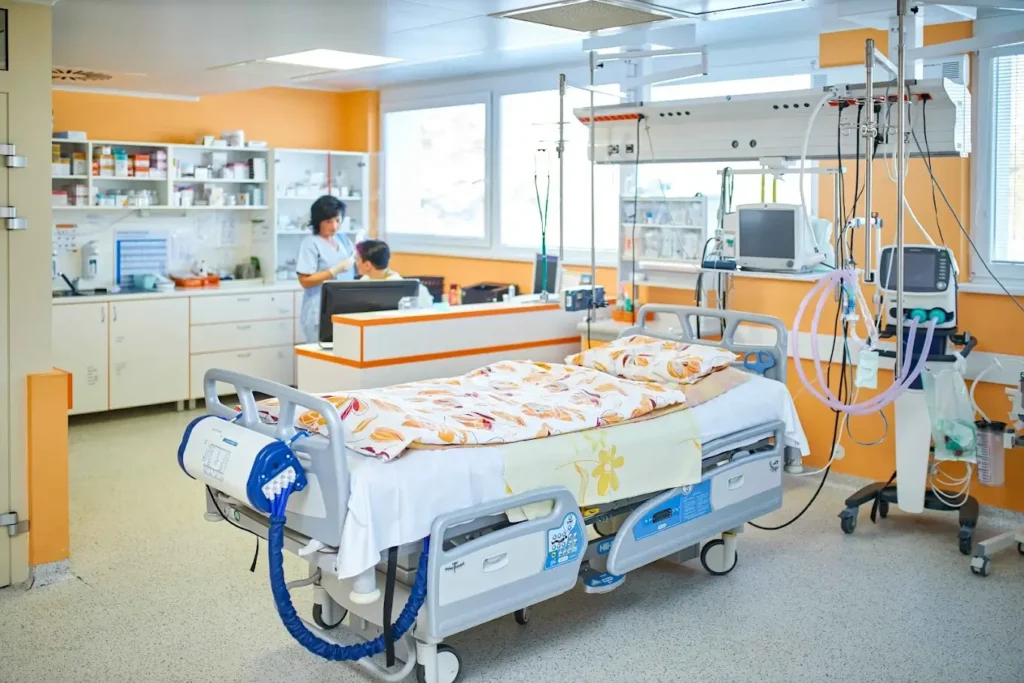
Protocoles de traitement et administration
Évaluation initiale
- Antécédents médicaux, imagerie, travail de laboratoire
- Évaluation multidisciplinaire
- Recommandation de traitement sur mesure
Phase préparatoire
- Tests de laboratoire préalables au traitement
- Collecte de sang pour la préparation de supports de plasma
- Prémédication possible pour réduire les réactions allergiques
Voies administratives
- Intraveineux (IV): perfusion systémique, ~30 à 40 minutes, observation pendant 4 à 5 heures
- Intrathécal (IL): injection de liquide céphalo-rachidien pour les affections neurologiques
- Intra‑articulaire (IA): injections articulaires précises sous guidage d’imagerie
- Application locale: administration ciblée dans les tissus ou les plaies
Cycles de traitement
- La fréquence varie selon la condition
- Livré en quelques jours ou semaines
- Souvent associé à une rééducation ou à des thérapies complémentaires
Sécurité, Suivi & Résultats attendus
- Effets secondaires minimes; fièvre passagère occasionnelle, mal de tête, nausée
- Les effets indésirables à long terme sont rares
- Surveillance continue des patients après le traitement
- Suivis à 1 mois, 3 mois, 6 mois, 1 année
- Des améliorations fonctionnelles peuvent apparaître au fil des semaines, voire des mois
Holistique & Soutien complémentaire
- Conseil orthomoléculaire
- Complémentation personnalisée
- Conseils en matière d’alimentation et de mode de vie pour maximiser les résultats régénératifs
Résumé
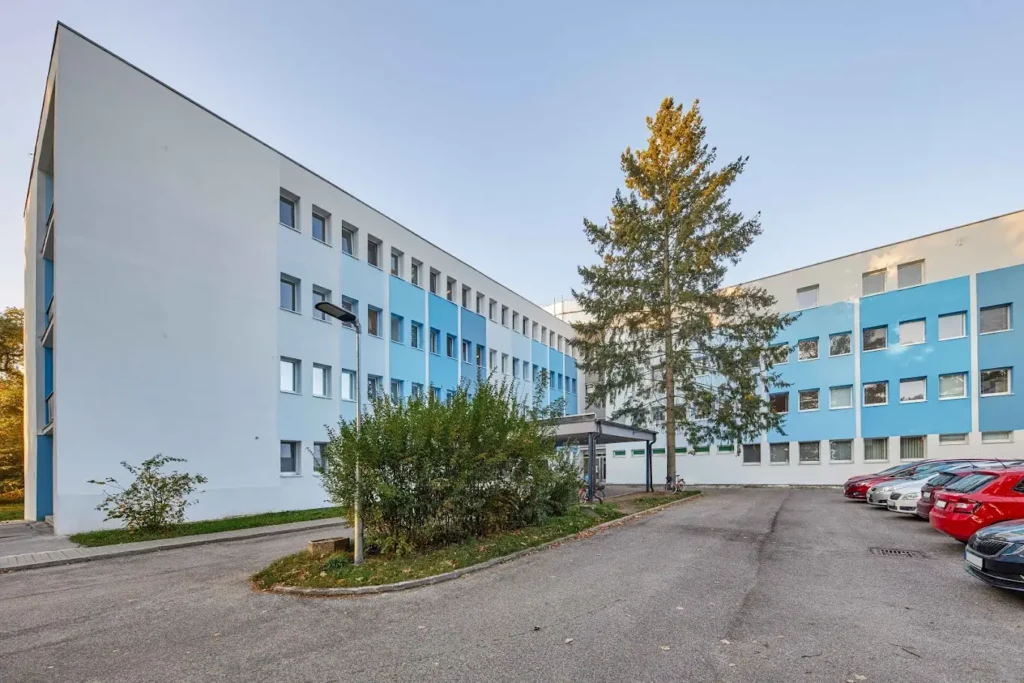
Cette clinique à Bratislava, Slovaquie, fournit thérapie régénérative à plusieurs volets par cellules souches en utilisant des sources cellulaires avancées, des modes de livraison sur mesure, et planification individualisée. Il offre des améliorations potentielles dans les domaines neurologiques, musculo-squelettique, métabolique, cardiovasculaire, auto-immune, respiratoire, et d'autres conditions systémiques où les traitements conventionnels peuvent être limités.