Dernière mise à jour: Août 17, 2026
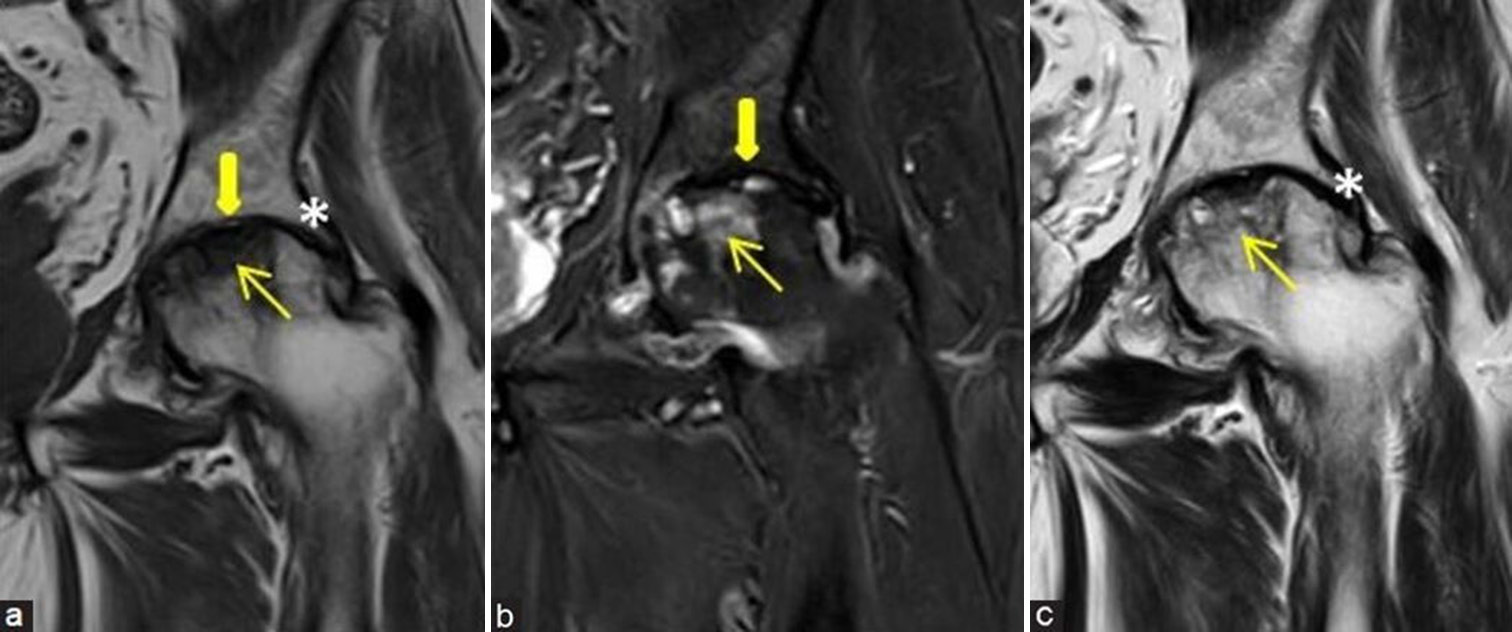
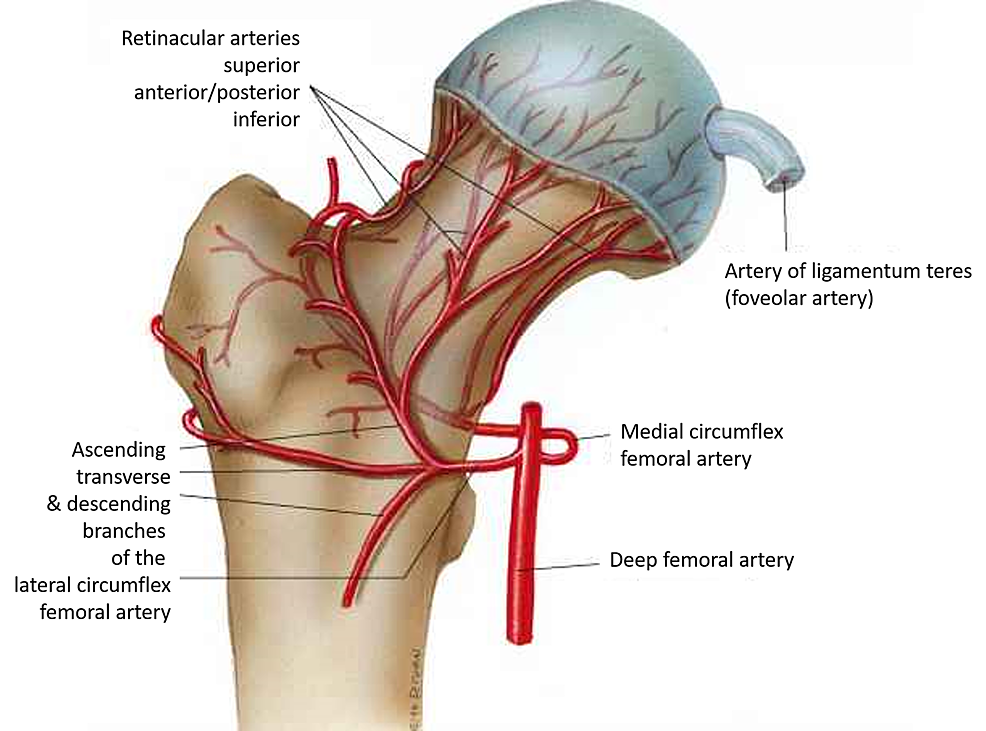
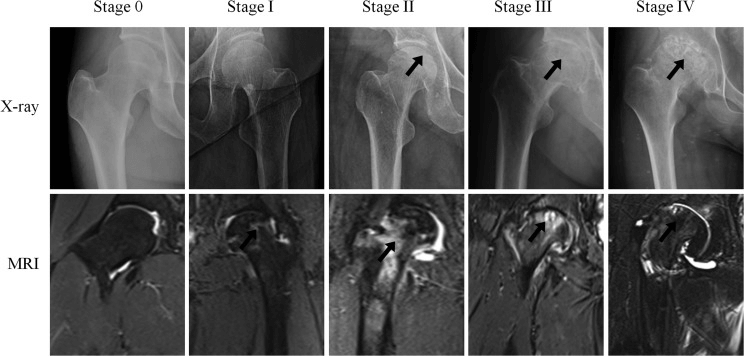
4
Nécrose avasculaire (AVN) de la hanche, également connue sous le nom d'ostéonécrose, est une maladie progressive et potentiellement invalidante causée par un perte d'apport sanguin à la tête fémorale. Sans flux sanguin adéquat, le tissu osseux commence à mourir, conduisant à un effondrement structurel du joint au fil du temps.
Mais qu'est-ce qui cause exactement AVN? Et plus important encore — les traitements modernes comme la thérapie par cellules souches peuvent-ils offrir une alternative à la chirurgie?
🧠 Qu'est-ce que la nécrose avasculaire et pourquoi se produit-elle?
L'AVN se développe lorsque l'apport sanguin délicat à la tête fémorale est perturbé. Cela peut arriver à cause de:
- à long terme utilisation de corticostéroïdes
- consommation excessive d'alcool
- traumatisme ou blessure à la hanche
- troubles des vaisseaux sanguins
- certaines conditions médicales chroniques
Lorsque le flux sanguin est réduit, les cellules osseuses ne peuvent pas survivre. Au fil du temps, cela conduit à affaiblissement des os, microfractures, et éventuel effondrement de la tête fémorale.
👉 Mais pourquoi cette condition est-elle si grave?
Parce qu'une fois les dégâts structurels commencés, l'articulation peut se détériorer rapidement.
⚠️ Quels sont les premiers symptômes de l'AVN?
L'un des plus grands défis d'AVN est que les premiers stades peuvent être presque asymptomatiques.
Cependant, à mesure que la maladie progresse, les patients demandent souvent:
👉 "Pourquoi est-ce que je ressens une douleur profonde à la hanche même sans blessure?»
Les symptômes courants comprennent:
- douleur profonde à la hanche ou à l'aine
- inconfort en marchant ou en se tenant debout
- raideur dans l'articulation
- amplitude de mouvement réduite
Dans les étapes ultérieures:
- la douleur devient constante
- le mouvement devient limité
- marcher devient difficile
👉 Cela soulève une question importante:
L’AVN peut-il être détecté suffisamment tôt pour prévenir l’effondrement des articulations?
Oui : un diagnostic précoce par IRM peut identifier l'AVN avant que les dommages structurels ne deviennent graves.
🔬 Que se passe-t-il si l'AVN n'est pas traité?
Sans intervention, AVN progresse généralement par étapes:
- Flux sanguin réduit
- Mort des cellules osseuses
- Affaiblissement structurel
- Effondrement de la tête fémorale
- Arthrite secondaire
👉 Alors qu’est-ce que cela signifie pour les patients?
Dans de nombreux cas, cela mène à arthroplastie totale de la hanche, surtout aux stades avancés.
⚠️ Pourquoi les traitements conventionnels échouent-ils souvent?
Les options de traitement standard comprennent:
- médicaments contre la douleur
- portance réduite
- physiothérapie
- chirurgie de décompression centrale
- arthroplastie totale de la hanche
👉 Mais voici le problème clé:
La plupart des traitements conventionnels ne restaurent pas le tissu osseux mort.
Ils peuvent:
- soulager les symptômes
- progression lente
Mais ils ne pas réparer les dommages sous-jacents.
❓ La chirurgie peut-elle être évitée?
C’est l’une des questions les plus fréquemment posées par les patients.:
👉 "Est-il possible d'éviter une arthroplastie de la hanche?»
La réponse dépend de:
- stade de la maladie
- étendue des lésions osseuses
- moment de l'intervention
Aux premiers stades, il y a un intérêt croissant pour approches régénératrices.
🔬 Comment fonctionne la thérapie par cellules souches dans AVN?
Thérapie par cellules souches est activement étudié comme moyen de soutenir la réparation osseuse au niveau cellulaire.
Mais qu'est-ce qui le rend différent?
Contrairement aux traitements conventionnels, les cellules souches peuvent:
- soutien régénération osseuse
- promouvoir angiogenèse (formation de nouveaux vaisseaux sanguins)
- réduire l'inflammation
- améliorer l'environnement biologique local
👉 Cela nous amène à une autre question clé:
Les cellules souches peuvent-elles réellement aider à restaurer les os endommagés?
La recherche suggère que cellules souches mésenchymateuses (MSC) peut contribuer aux processus de réparation, en particulier au stade précoce et intermédiaire de l'AVN.
🌍 Pourquoi les patients voyagent-ils pour une thérapie par cellules souches?
De nos jours, de nombreux patients ne sont pas limités aux options de traitement locales.
Ils demandent:
👉 "Où puis-je trouver une médecine régénérative avancée?»
Cela a conduit à un intérêt accru pour les centres spécialisés.
Dans un laboratoire de biotechnologie à Barcelone, Espagne, une équipe internationale de scientifiques et de médecins spécialistes a travaillé thérapie par cellules souches pour plus 25 années.
🔬 Ce qui rend Barcelone différente?
L'approche basée à Barcelone s'appuie sur:
- expérience scientifique à long terme
- protocoles de laboratoire contrôlés
- collaboration multidisciplinaire
- stratégies de traitement personnalisées
👉 Pourquoi l'expérience est importante?
Parce que la thérapie par cellules souches n’est pas une procédure simple : elle nécessite:
- manipulation précise des cellules
- expertise biologique
- compréhension clinique
🧠 Quel est le but de la thérapie régénérative?
L’objectif n’est pas seulement le soulagement des symptômes.
Plutôt, il se concentre sur:
- préserver l'articulation
- soutenir la réparation naturelle
- amélioration de la fonction
- retarder ou éviter une intervention chirurgicale
👉 Cela nous amène à une question cruciale:
La médecine régénérative est-elle l’avenir du traitement orthopédique?
De nombreux experts estiment qu’elle jouera un rôle de plus en plus important.

Examen de cas scientifiques
Souhaitez-vous savoir si les programmes cliniques actuels, développements récents en recherche, ou des approches émergentes peuvent être adapté à votre situation individuelle?
Envoyez votre question à notre équipe scientifique. Le siège social de NBScience au Royaume-Uni coordonne les demandes de renseignements à travers le réseau international de centres médicaux, scientifiques, et consultants spécialisés.
- Examen des informations que vous fournissez
- Informations pertinentes sur la recherche et les programmes cliniques
- Une réponse claire et adaptée à votre situation
Aucune obligation. Votre question sera examinée de manière confidentielle.
Informations pédagogiques et de recherche uniquement. Ce service ne constituer un avis médical, diagnostic, ordonnance, ou un personnalisé recommandation de traitement.

