Ultimo aggiornamento: agosto 17, 2026


4
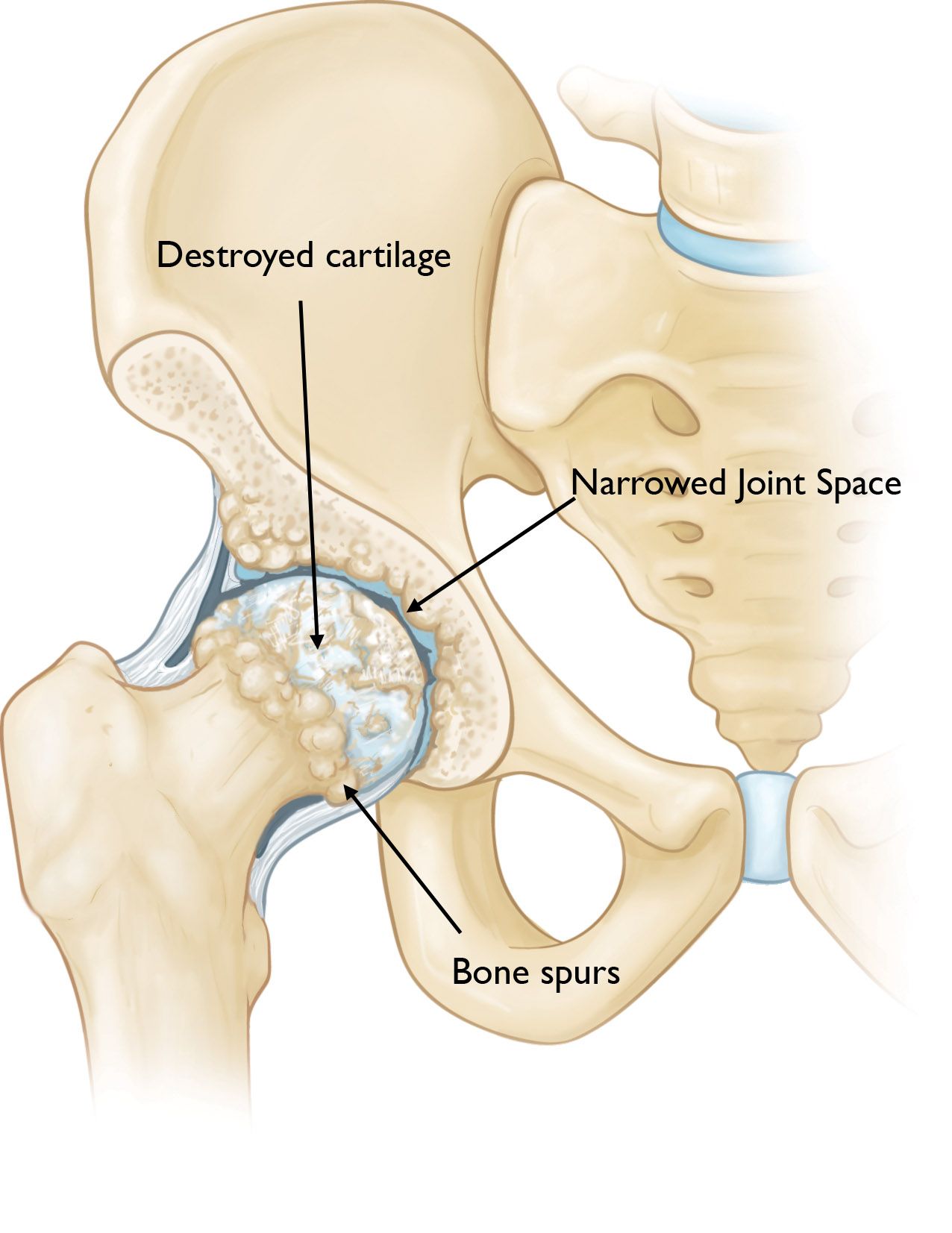
Osteoartrite (OA) è una delle malattie degenerative delle articolazioni più comuni, che colpisce milioni di persone in tutto il mondo. È caratterizzato dal progressiva rottura della cartilagine, portando al dolore, rigidità, e mobilità ridotta.
Ma perché si sviluppa l’artrosi?? E, cosa più importante - è possibile ripristinare la cartilagine danneggiata invece di sostituire l'articolazione?
🧠 Cosa succede nell'osteoartrosi?
La cartilagine funge da strato protettivo tra le ossa. Nell'artrosi, questa cartilagine si consuma gradualmente.
Di conseguenza:
- le ossa iniziano a sfregare l'una contro l'altra
- si sviluppa l'infiammazione
- la struttura articolare viene alterata
👉 Ciò porta a una domanda chiave:
Perché la cartilagine non guarisce da sola?
A differenza di altri tessuti, la cartilagine ha un apporto di sangue molto limitato, rendendo la rigenerazione naturale estremamente lenta.
⚠️ Quali sono i sintomi dell'osteoartrosi?
I pazienti spesso lo chiedono:
👉 “Il mio dolore articolare è normale dovuto all’età o è qualcosa di più serio?"
I sintomi comuni includono:
- dolore articolare durante il movimento
- rigidità, soprattutto la mattina
- rigonfiamento
- flessibilità ridotta
In fasi avanzate:
- dolore costante
- deformità articolare
- mobilità limitata
🔬 Quali sono le attuali opzioni terapeutiche?
Il trattamento standard si concentra sulla gestione dei sintomi:
- farmaci antidolorifici
- farmaci antinfiammatori
- terapia fisica
- iniezioni di corticosteroidi
- intervento di sostituzione articolare
⚠️ Perché questi trattamenti hanno dei limiti?
👉 Ecco la questione chiave:
Nessuno di questi trattamenti ripristina la cartilagine.
Potrebbero:
- ridurre il dolore
- migliorare temporaneamente la mobilità
Ma non invertono la degenerazione sottostante.
❓ È possibile evitare la sostituzione articolare?
Questa è una delle domande più importanti che i pazienti si pongono:
👉 “L’intervento chirurgico è la mia unica opzione?"
Per molti pazienti, soprattutto nelle fasi iniziali, la risposta potrebbe essere NO.
🔬 Come funziona la terapia con cellule staminali nell'osteoartrosi?
Terapia con cellule staminali è allo studio come potenziale modo per supportare la riparazione della cartilagine e la salute delle articolazioni.
Le cellule staminali mesenchimali possono:
- ridurre l'infiammazione
- sostenere la rigenerazione della cartilagine
- migliorare la lubrificazione articolare
- migliorare la riparazione dei tessuti
🌍 Perché i pazienti esplorano le cure all'estero?
I pazienti cercano sempre più:
👉 “Dove posso trovare trattamenti rigenerativi avanzati?"
Ciò ha portato ad un crescente interesse per i centri specializzati.
Nell'a laboratorio di biotecnologia a Barcellona, Spagna, una squadra internazionale con oltre 25 anni di esperienza nella terapia con cellule staminali sta sviluppando protocolli avanzati per le patologie articolari.
🔬 Cosa rende diverso questo approccio?
A differenza dei trattamenti convenzionali, gli approcci rigenerativi mirano a:
- colpire la malattia a livello biologico
- sostenere la guarigione naturale
- migliorare i risultati a lungo termine
❓ La terapia con cellule staminali è efficace contro l'osteoartrosi?
La ricerca suggerisce che la terapia con cellule staminali può aiutare:
- fasi iniziali
- moderata degenerazione
- pazienti che cercano alternative alla chirurgia
Tuttavia, i risultati variano a seconda della condizione.

Revisione scientifica del caso
Ti piacerebbe capire se i programmi clinici sono attuali, recenti sviluppi della ricerca, o potrebbero esserlo gli approcci emergenti rilevante per la tua situazione individuale?
Invia la tua domanda al nostro team scientifico. La sede centrale di NBScience nel Regno Unito coordina le richieste attraverso la rete internazionale di centri medici, scienziati, e consulenti specializzati.
- Revisione delle informazioni fornite
- Informazioni rilevanti sulla ricerca e sul programma clinico
- Una risposta chiara focalizzata sulla tua situazione
Nessun obbligo. La tua domanda verrà esaminata in modo confidenziale.
Solo informazioni didattiche e di ricerca. Questo servizio no costituiscono un parere medico, diagnosi, prescrizione, o uno personalizzato raccomandazione terapeutica.

