Ultimo aggiornamento: agosto 17, 2026
It seems like many people confuseLASIK ( laser correction) Elaser cataract surgery . This is understandable, because LASIK and cataract surgery share some similarities. But the truth is, they are two different procedures that work in totally different ways to correct vision. To eliminate some of the confusion, I thought I’d spend this post comparing LASIK and cataract surgery.
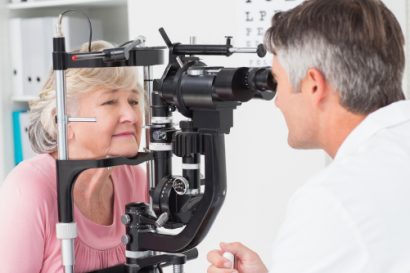
How Do They Differ?
LASIK reshapes the outer layer of the eye (cornea) to change the way the eye focuses light on the retina. Al contrario, cataract surgery is a treatment applied to the lens of the eye. The natural lens of the eye becomes cloudy for cataract patients. Durante l'intervento chirurgico, the cloudy lens is removed and replaced with an artificial lens (intraocular lens) called an IOL.
LASIK typically is performed on both eyes in the same session, Mentre cataract surgery is typically performed on two separate days for the right and left eyes.
How Are They the Same?
Both procedures incorporate lasers to perform at least some of the surgical steps.
Per esempio, all-laser LASIK, two lasers are used: UNfemtosecond laser to create the corneal flap and an excimer laser is used to change the corneal shape. For cataract surgery, a femtosecond laser is used to remove the natural lens from the eye.
Both procedures provide patients with very good vision after surgery, Spesso 20/20 or better. Each procedure is relatively quick, requiring less than 15 minutes to perform, though LASIK is bit quicker coming in at less than five minutes per eye.
Can You Have LASIK AND Cataract Surgery on the Same Eye?
Poiché la LASIK viene eseguita sulla cornea, l'intervento di cataratta viene eseguito sul cristallino, è possibile eseguire entrambe le procedure sullo stesso occhio. La LASIK verrebbe generalmente eseguita in giovane età per correggere la miopia, astigmatismo o ipermetropia. L'intervento di cataratta in genere viene eseguito alcuni anni dopo, quando il cristallino naturale è diventato opaco e dovrebbe essere sostituito dal cristallino artificiale.
Cos'è la cataratta?
UN cataratta è un opacizzazione del cristallino dell'occhio che compromette la vista e può causare eventuale cecità. Man mano che la cataratta peggiora e la vista continua a peggiorare, i pazienti possono avere problemi con la visione notturna, abbagliamento e sensibilità alla luce, visione offuscata, visione doppia e altro ancora.
Debilitante come può essere la cataratta, non sono pericolosi per la vita come disturbo autonomo, which begs the question… why would cataract surgery improve your life expectancy?
The answer is rather obvious, albeit somewhat indirect. Cataracts cause diminished quality of life due to significant reductions in vision. If you aren’t able to see clearly, you are inhibited from doing a great many healthful things. Cataract patients find it increasingly difficult to drive a car (especially at night), or spend time exercising outdoors on bright, sunny days. Cataract patients becoming increasingly immobile as their condition worsens. This can have a drastic impact on overall health, and on mental attitude.
Allo stesso modo, cataract patients are more at risk of having an accident, such as fracturing a hip. UN 2012 article published in the Giornale dell'American Medical Association (JAMA) found that cataract surgery patients had lower rates of hip fracture than people in the same age group with cataracts. This makes perfect sense given that the more clearly you can see, the less likely you are to have an accidental fall navigating steps or the like. Cataracts typically cause a significant reduction in the how patients see in low contrast situations, such climbing steps at night or maneuvering around items in the garage after hours.
According to the study, “people who receive cataract surgery are less likely to experience adverse disability trends than people who do not receive cataract surgery.” This means, patients who have had surgery remain more mobile over their lifetime.
Il punto è che una migliore qualità della vita è correlata ad una vita più lunga. Questo non vuol dire che se hai un intervento di cataratta, godrai automaticamente di una vita più lunga. Come qualsiasi cosa, ottieni quello che metti ed eliminare la perdita della vista dovuta alla cataratta non risolve automaticamente altri problemi di salute legati all'età. Ma, a parità di condizioni, se hai un intervento di cataratta, ti stai dando l'opportunità di avere una visione molto migliore e di essere più mobile (meno incline agli incidenti) durante i tuoi anni crepuscolari.

Revisione scientifica del caso
Ti piacerebbe capire se i programmi clinici sono attuali, recenti sviluppi della ricerca, o potrebbero esserlo gli approcci emergenti rilevante per la tua situazione individuale?
Invia la tua domanda al nostro team scientifico. La sede centrale di NBScience nel Regno Unito coordina le richieste attraverso la rete internazionale di centri medici, scienziati, e consulenti specializzati.
- Revisione delle informazioni fornite
- Informazioni rilevanti sulla ricerca e sul programma clinico
- Una risposta chiara focalizzata sulla tua situazione
Nessun obbligo. La tua domanda verrà esaminata in modo confidenziale.
Solo informazioni didattiche e di ricerca. Questo servizio no costituiscono un parere medico, diagnosi, prescrizione, o uno personalizzato raccomandazione terapeutica.

