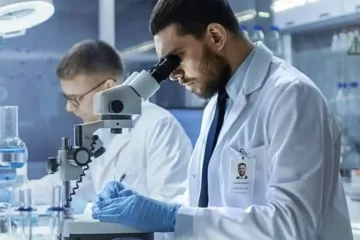
Células madre: Solución de terapia autoinmune sencilla?
Las células madre se han convertido en un rayo de esperanza en el campo de la medicina regenerativa., Captando la atención de investigadores y médicos de todo el mundo.. Su capacidad única para diferenciarse en varios tipos de células y autorrenovarse es inmensamente prometedora para el tratamiento de una amplia gama de enfermedades., incluyendo trastornos autoinmunes. Enfermedades autoinmunes, Se caracteriza por que el sistema inmunológico ataca por error los propios tejidos del cuerpo., afectan a millones de personas en todo el mundo. Si bien los tratamientos convencionales pueden ayudar a controlar los síntomas, a menudo vienen con efectos secundarios importantes y no abordan la causa subyacente de la enfermedad. Esto ha llevado a un creciente interés en explorar la terapia con células madre como un posible tratamiento innovador para las enfermedades autoinmunes..
Comprender las enfermedades autoinmunes
Antes de profundizar en el papel de las células madre, Es crucial comprender las complejidades de las enfermedades autoinmunes.. Estas condiciones surgen cuando el sistema inmunológico, diseñado para proteger el cuerpo de invasores extraños, pierde su capacidad de distinguir entre «ser» y «no-yo.» Como resultado, lanza un ataque a las células sanas, tejidos, y organos. Hay más 80 diferentes tipos de enfermedades autoinmunes, incluyendo la artritis reumatoide, lupus, esclerosis múltiple, tipo 1 diabetes, y enfermedad inflamatoria intestinal.
La causa exacta de las enfermedades autoinmunes no se comprende completamente, pero se cree que es una combinación de predisposición genética y desencadenantes ambientales.. Factores como infecciones., ciertos medicamentos, y la exposición a toxinas puede desempeñar un papel en el inicio o exacerbación de respuestas autoinmunes.
La promesa de la terapia con células madre
La terapia con células madre ofrece un enfoque fundamentalmente diferente para el tratamiento de enfermedades autoinmunes en comparación con los tratamientos convencionales.. En lugar de simplemente suprimir el sistema inmunológico o controlar los síntomas, Las células madre tienen el potencial de:
Restablecer el sistema inmunológico: Las células madre pueden ayudar «reiniciar» el sistema inmunológico modulando su actividad y restaurando la tolerancia a los propios tejidos del cuerpo. Esto puede evitar que el sistema inmunológico ataque las células sanas y reducir la inflamación..
Regenerar tejidos dañados: Algunas enfermedades autoinmunes causan daños tisulares importantes. Las células madre pueden diferenciarse en células especializadas que pueden reemplazar tejidos dañados o destruidos., promover la función curativa y restauradora.
Reducir la inflamación: Las células madre liberan factores antiinflamatorios que pueden ayudar a reducir la inflamación en todo el cuerpo., aliviar los síntomas y prevenir un mayor daño tisular.
Tipos de células madre utilizadas en la terapia autoinmune
Se están investigando varios tipos de células madre por su potencial para tratar enfermedades autoinmunes.. Los más comunes incluyen:
Células madre hematopoyéticas (HSC): Estas células madre se encuentran en la médula ósea y son las encargadas de producir todo tipo de células sanguíneas., incluyendo células inmunes. El trasplante de HSC implica reemplazar el sistema inmunológico dañado de un paciente con HSC sanas de un donante o del propio cuerpo del paciente. (trasplante autólogo).
Células madre mesenquimales (MSC): Las MSC se encuentran en varios tejidos., incluyendo la médula ósea, tejido adiposo, y sangre del cordón umbilical. Tienen propiedades inmunomoduladoras y pueden diferenciarse en varios tipos de células., haciéndolos candidatos atractivos para el tratamiento de enfermedades autoinmunes.
Células madre embrionarias (ESC) y células madre pluripotentes inducidas (iPSC): Estas células madre tienen el potencial de diferenciarse en cualquier tipo de célula del cuerpo.. Si bien ofrecen un gran potencial, su uso es limitado debido a preocupaciones éticas y al riesgo de formación de teratoma (desarrollo tumoral).
Cómo funciona la terapia con células madre para los trastornos autoinmunes
El proceso de terapia autoinmune con células madre normalmente implica los siguientes pasos:
1. Cosecha de células madre: Las células madre se obtienen del propio cuerpo del paciente. (autólogo) o de un donante (alogénico). Para trasplantes autólogos, Las células madre generalmente se obtienen de la médula ósea o de la sangre periférica..
2. Procesamiento de células madre: Las células madre recolectadas se procesan en un laboratorio para aislar y purificar el tipo de célula deseado.. En algunos casos, Las células madre pueden modificarse genéticamente para mejorar sus efectos terapéuticos..
3. Régimen de acondicionamiento: Antes de que se infundan las células madre, el paciente se somete a un régimen de acondicionamiento, que puede implicar quimioterapia o medicamentos inmunosupresores, para suprimir el sistema inmunológico existente y crear espacio para que las nuevas células madre se injerten.
4. Infusión de células madre: Las células madre procesadas se infunden en el torrente sanguíneo del paciente.. Luego, las células madre viajan a los tejidos dañados y comienzan a regenerarse y reparar las áreas afectadas..
5. Monitoreo y Seguimiento: El paciente es monitoreado de cerca después de la infusión de células madre para evaluar el injerto de las células madre., monitorear cualquier complicación, y evaluar la eficacia del tratamiento..
Ensayos clínicos e investigación
Numerosos ensayos clínicos han investigado la seguridad y eficacia de la terapia con células madre para diversas enfermedades autoinmunes.. Los resultados de estos ensayos han sido prometedores., Muchos pacientes experimentan mejoras significativas en sus síntomas., inflamación reducida, y una mejor calidad de vida.
Por ejemplo, El trasplante de HSC ha demostrado eficacia en el tratamiento de casos graves de esclerosis múltiple, artritis reumatoide, y lupus eritematoso sistémico. La terapia con MSC también se ha mostrado prometedora en el tratamiento de afecciones como la enfermedad de Crohn y el tipo 1 diabetes.
Sin embargo, Es importante tener en cuenta que la terapia con células madre para enfermedades autoinmunes todavía se considera experimental en muchos casos.. Se necesita más investigación para comprender completamente los efectos a largo plazo de la terapia con células madre y optimizar los protocolos de tratamiento..
Riesgos y desafíos
Si bien la terapia con células madre es muy prometedora, no está exento de riesgos y desafíos. Algunos de los riesgos potenciales incluyen:
Infección: El trasplante de células madre puede debilitar el sistema inmunológico, aumentando el riesgo de infección.
Enfermedad de injerto contra huésped (EICH): Esto ocurre cuando las células madre del donante atacan los tejidos del receptor.. La GVHD puede ser una complicación grave y potencialmente mortal del alotrasplante de células madre.
Mortalidad relacionada con el tratamiento: En casos raros, El trasplante de células madre puede provocar la muerte..
Consideraciones éticas: El uso de células madre embrionarias plantea preocupaciones éticas para algunas personas.
El futuro de la terapia con células madre para enfermedades autoinmunes
La terapia con células madre representa un cambio de paradigma en la forma de tratar las enfermedades autoinmunes. Si bien persisten los desafíos, La investigación en curso y los avances tecnológicos están allanando el camino para terapias con células madre más efectivas y seguras..
Las direcciones futuras en este campo incluyen:
Desarrollar terapias con células madre más específicas que puedan abordar específicamente las causas subyacentes de las enfermedades autoinmunes..
Mejora de las técnicas de injerto y localización de células madre para mejorar la eficacia de la terapia con células madre.
Desarrollar estrategias para prevenir o minimizar el riesgo de EICH.
Explorando el potencial de combinar la terapia con células madre con otras terapias, como la terapia génica y la inmunoterapia.
Conclusión
Las células madre ofrecen un enfoque revolucionario para el tratamiento de enfermedades autoinmunes al restablecer potencialmente el sistema inmunológico, regenerar tejidos dañados, y reducir la inflamación. Aunque todavía se considera experimental en muchos casos, La terapia con células madre ha mostrado resultados prometedores en ensayos clínicos., ofreciendo esperanza a los pacientes que no han respondido a los tratamientos convencionales. A medida que la investigación continúa y la tecnología avanza, La terapia con células madre está preparada para convertirse en una opción de tratamiento más aceptada y eficaz para los trastornos autoinmunes., en última instancia, mejorar la vida de millones de personas en todo el mundo.