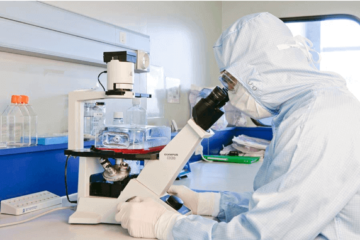
Stem Cells in Metabolic Liver Disease Therapy
Metabolic liver disease (MLD) encompasses a spectrum of conditions characterized by hepatic dysfunction due to metabolic abnormalities. The increasing prevalence of obesity, السكري, and sedentary lifestyles has contributed to the rise in MLD cases, highlighting the urgent need for effective therapeutic strategies. العلاج بالخلايا الجذعية, with its regenerative and reparative potential, offers a promising approach for MLD treatment. This article explores the role of stem cells in MLD therapy, discussing their etiology, التسبب في المرض, and the preclinical and clinical evidence supporting stem cell-based interventions. It also addresses the challenges and limitations of this approach, as well as future directions for research and regulatory considerations.
Etiology and Pathogenesis of Metabolic Liver Disease
MLD arises from various metabolic dysregulations, including insulin resistance, الإجهاد التأكسدي, والالتهاب. These factors lead to the accumulation of toxic metabolites in the liver, causing hepatocyte damage, تليف, and ultimately liver failure. Non-alcoholic fatty liver disease (نافلد) and non-alcoholic steatohepatitis (NASH) are the most common forms of MLD, often associated with obesity and type 2 السكري. Understanding the underlying mechanisms of MLD is crucial for developing targeted therapies, including stem cell-based approaches.
Role of Stem Cells in Liver Regeneration
The liver possesses a remarkable regenerative capacity, mediated by resident stem cells known as hepatic progenitor cells (HPCs). In response to injury, HPCs proliferate and differentiate into new hepatocytes, restoring liver function. لكن, chronic liver damage can exhaust HPCs, leading to impaired regeneration and disease progression. العلاج بالخلايا الجذعية aims to replenish the HPC pool and enhance liver regeneration, thereby mitigating the effects of MLD.
Differentiation of Stem Cells into Hepatocytes
Various stem cell types, بما في ذلك الخلايا الجذعية الجنينية (المجالس الاقتصادية والاجتماعية), الخلايا الجذعية المحفزة (iPSCs), والخلايا الجذعية الوسيطة (اللجان الدائمة), have shown the potential to differentiate into hepatocytes. ESCs and iPSCs possess the ability to generate all cell types in the body, while MSCs are multipotent cells derived from various tissues. Researchers have developed protocols to guide the differentiation of these stem cells into functional hepatocytes, which can then be used for transplantation in MLD patients.
Preclinical Models for Stem Cell Therapy in Liver Disease
Animal models of MLD provide valuable platforms for testing stem cell therapies. Studies in mice and rats with NAFLD or NASH have demonstrated the efficacy of stem cell transplantation in improving liver function, تقليل الالتهاب, and promoting regeneration. These preclinical models have helped optimize stem cell delivery methods, identify optimal cell types, and assess the safety and efficacy of stem cell-based interventions.
Clinical Trials of Stem Cell Therapy for Liver Disease
Several clinical trials have evaluated the safety and efficacy of العلاج بالخلايا الجذعية for MLD. وقد أظهرت تجارب المرحلة المبكرة نتائج واعدة, with stem cell transplantation leading to improvements in liver function markers, انخفاض الالتهاب, والتليف. لكن, أكبر, randomized controlled trials are needed to confirm these findings and establish the long-term benefits of العلاج بالخلايا الجذعية in MLD patients.
تحديات وقيود العلاج بالخلايا الجذعية
وعلى الرغم من الإمكانيات العلاج بالخلايا الجذعية, ويجب معالجة العديد من التحديات والقيود. These include the scalability of stem cell production, the risk of immune rejection, and the potential for tumor formation. بالإضافة إلى ذلك, نوع الخلية الأمثل, طريقة التسليم, ولا يزال يتعين تحديد توقيت الزرع. Overcoming these challenges will be critical for the successful translation of العلاج بالخلايا الجذعية into clinical practice.
Future Directions in Stem Cell Research for Liver Disease
Ongoing research aims to address the limitations of العلاج بالخلايا الجذعية and improve its efficacy in MLD treatment. Researchers are exploring novel stem cell sources, such as patient-specific iPSCs, to minimize the risk of immune rejection. بالإضافة إلى ذلك, strategies to enhance stem cell engraftment and differentiation are being investigated. بالإضافة إلى, the development of bioengineered scaffolds and microenvironments may provide a more supportive niche for stem cell survival and function.
Regulatory Considerations for Stem Cell Therapy
The clinical application of العلاج بالخلايا الجذعية requires careful regulatory oversight to ensure patient safety and ethical considerations. Regulatory agencies, such as the US Food and Drug Administration (ادارة الاغذية والعقاقير), have established guidelines for the development and testing of stem cell-based products. These guidelines address issues related to cell source, manufacturing processes, preclinical testing, and clinical trial design. Adherence to regulatory standards is essential to ensure the responsible and ethical translation of العلاج بالخلايا الجذعية into clinical practice.
خاتمة: Stem Cells in Metabolic Liver Disease Therapy
العلاج بالخلايا الجذعية holds great promise for the treatment of MLD, offering the potential to regenerate damaged liver tissue and restore hepatic function. Preclinical studies have demonstrated the efficacy of stem cell transplantation in animal models of MLD, and early-stage clinical trials have shown promising results. لكن, further research is needed to overcome the challenges and limitations of العلاج بالخلايا الجذعية, including scalability, الرفض المناعي, وتشكيل الورم. Ongoing research and regulatory oversight will be crucial for the successful development and clinical translation of stem cell-based interventions for MLD.