آخر تحديث: أغسطس 17, 2026
يتيح جهاز الاستشعار البيولوجي الذي تم تطويره في جامعة آلتو إمكانية إنشاء مجموعة من الاختبارات الصحية الجديدة المشابهة لاختبارات الحمل المنزلية
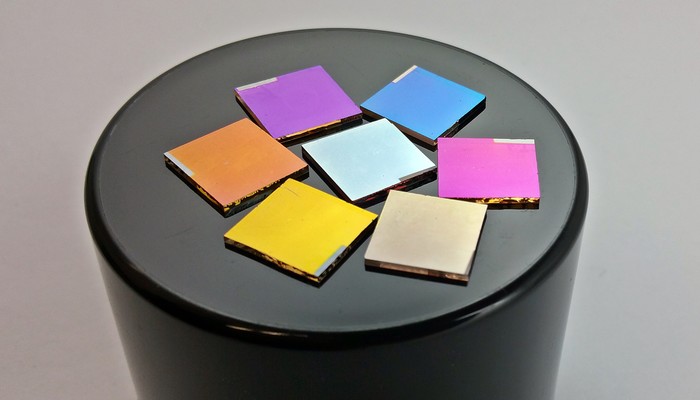
يمكن لجهاز الاستشعار البيولوجي البلازموني اكتشاف الإكسوسومات المريضة حتى بالعين المجردة. الإكسوسومات, مؤشرات هامة للحالة الصحية, هي حويصلات مشتقة من الخلايا موجودة في الدم والبول.
يساعد التحليل السريع بواسطة أجهزة الاستشعار الحيوية في التعرف على أمراض الأمعاء الالتهابية, السرطان والأمراض الأخرى بسرعة وبدء العلاجات ذات الصلة في الوقت المناسب. بالإضافة إلى استخدام الاكتشاف في الطب الحيوي, قد تستخدم الصناعة تطبيقات متقدمة في مجال الطاقة.
ابتكر الباحثون مستشعرًا حيويًا جديدًا عن طريق ترسيب الجسيمات البلازمونية على قطعة سوداء, الجسم المادي الذي يمتص جميع الإشعاعات الكهرومغناطيسية الساقطة. البلازمون هو كم من تذبذب البلازما. تم استخدام المواد البلازمونية لجعل الأشياء غير مرئية في الاختبارات العلمية. أنها تعكس وتمتص الضوء بكفاءة. تعتمد المواد البلازمونية على الاستقطابات الفعالة للبنى النانوية المعدنية.
"إنه أمر غير عادي أن نتمكن من اكتشاف الإكسوسومات المريضة بالعين المجردة. أجهزة الاستشعار الحيوية البلازمونية التقليدية قادرة على اكتشاف التحاليل على المستوى الجزيئي فقط. حتى الآن, نادرًا ما يتم النظر في الكشف عن العينات الحيوية بالعين المجردة أو أنه غير ناجح., يقول البروفيسور ماضي البحري من جامعة آلتو.
تشتهر ثنائيات أقطاب البلازمون بتشتتها وامتصاصها القوي. دكتور. شاهين هوميجوهار و محب عبد العزيز من جامعة آلتو أن مجموعة البحث نجحت في إظهار الانعكاس المرآوي غير المعروف حتى الآن وتأثير بروستر لثنائيات أقطاب البلازمون متناهية الصغر على مضيف الجسم الأسود.
"لقد استغلناها كأساس لقواعد التصميم الجديدة للتمييز بين الإكسوسومات المصلية البشرية المريضة وتلك السليمة بطريقة بسيطة دون الحاجة إلى أي معدات متخصصة", يقول د. عبده الشعراوي من جامعة كيل.
يتيح النهج الجديد تصميمًا بسيطًا وفعالاً من حيث التكلفة لامتصاص الألوان المثالي وإنشاء ألوان بلازمونية متداخلة حية.
بحسب البحري, ليست هناك حاجة لاستخدام أساليب التصنيع والزخرفة المتطورة. إنه يتيح الكشف البيولوجي البيئي والكبير للعينات بالعين المجردة مع تغيير بسيط جدًا في قابلية الاستقطاب الجزيئي حتى 0.001%.
المصدر – جامعة آلتو

مراجعة الحالة العلمية
هل ترغب في فهم ما إذا كانت البرامج السريرية الحالية, التطورات البحثية الأخيرة, أو قد تكون النهج الناشئة ذات الصلة بحالتك الفردية?
أرسل سؤالك إلى فريقنا العلمي. يقوم المكتب الرئيسي لـ NBScience في المملكة المتحدة بتنسيق الاستفسارات عبر الشبكة الدولية للمراكز الطبية, العلماء, و استشاريين متخصصين.
- مراجعة المعلومات التي تقدمها
- البحوث ذات الصلة ومعلومات البرنامج السريري
- استجابة واضحة تركز على حالتك
لا التزام. سيتم مراجعة سؤالك بسرية.
المعلومات التعليمية والبحثية فقط. هذه الخدمة لا تشكل نصيحة طبية, تشخبص, روشتة, أو شخصية توصية العلاج.
