آخر تحديث: أغسطس 17, 2026
في مجال تمديد الحياة, واحدة من أكثر مجالات البحث الواعدة هي زراعة الأعضاء الذاتية. احتمال العيش حتى 150 سنوات أو أكثر قد تبدو وكأنها خيال علمي, لكن التقدم في الطب التجديدي والتكنولوجيا الحيوية يتجاوز الحدود ويحول هذا الخيال إلى مستقبل ممكن التحقيق. سوف تتعمق هذه المقالة في إمكانيات إطالة عمر الإنسان من خلال زراعة الأعضاء الذاتية, استكشاف الأساس العلمي, الفوائد المحتملة, والاعتبارات الأخلاقية.
فهم زراعة الأعضاء الذاتية
تشير عملية زرع الأعضاء الذاتية إلى عملية استبدال العضو المريض أو الفاشل بجهاز سليم ينمو من خلايا المريض نفسه. يمكن لهذا النهج الرائد أن يتغلب على القيود المفروضة على زراعة الأعضاء التقليدية, مثل رفض الأعضاء وندرة الأعضاء المانحة.

العلم وراء ذلك
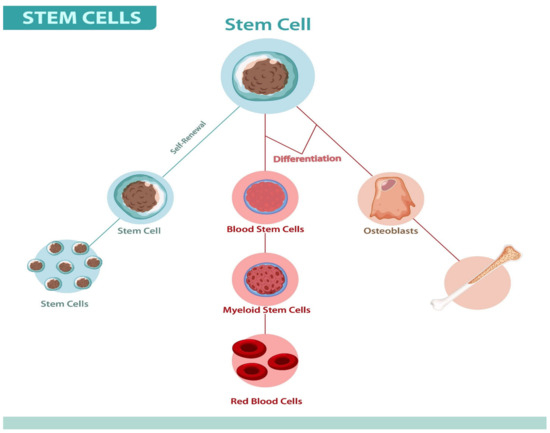
يتضمن زرع الأعضاء ذاتيًا استخدام الخلايا الجذعية, المواد الخام للجسم والتي تتولد منها جميع الخلايا الأخرى ذات الوظائف المتخصصة. وفيما يلي شرح مبسط للعملية:
-
- حصاد الخلايا الجذعية: يتم استخراج الخلايا الجذعية من جسم المريض, في كثير من الأحيان من نخاع العظام أو الأنسجة الدهنية.
- ثقافة الخلية ونمو الأعضاء: يتم بعد ذلك زراعة الخلايا المستخرجة في المختبر حيث تتكاثر وتتمايز إلى خلايا خاصة بالأعضاء. ثم يتم وضع هذه الخلايا على سقالة تحاكي شكل وبنية العضو المراد استبداله.
- زرع: بمجرد نمو العضو بشكل كامل, ويتم زرعها في جسم المريض, استبدال العضو الفاشل أو التالف.

الفوائد المحتملة لزراعة الأعضاء الذاتية
يحمل زرع الأعضاء ذاتيًا إمكانات كبيرة لإطالة الحياة. بعض الفوائد تشمل:
-
-
- القضاء على مخاطر الرفض: حيث أن العضو الجديد ينمو من خلايا المريض نفسه, يتم القضاء عمليا على خطر رفض الأعضاء.
- توافر الأعضاء: هذا النهج يمكن أن يخفف بشكل كبير من أزمة نقص الأعضاء, حيث يمكن زراعة الأعضاء حسب الطلب في المختبر.
- عمر ممتد: عن طريق استبدال الأعضاء الفاشلة, يمكن نظريًا إطالة عمر الإنسان, يحتمل أن تمكن الناس من العيش 150 سنوات أو أكثر.
-
زراعة الأعضاء الذاتية وتمديد الحياة
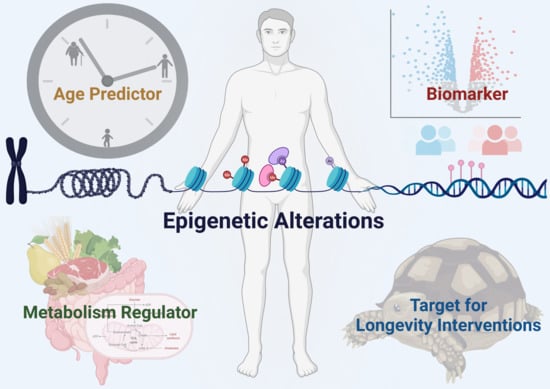
يدور مفهوم إطالة الحياة من خلال زرع الأعضاء ذاتيًا حول فكرة استبدال الأعضاء مع تقدم العمر أو فشلها. بالقيام بذلك, من المحتمل أن يتم إبطاء أو إيقاف عملية الشيخوخة البيولوجية, مما يؤدي إلى إطالة العمر بشكل ملحوظ.
الآثار المترتبة على الشيخوخة
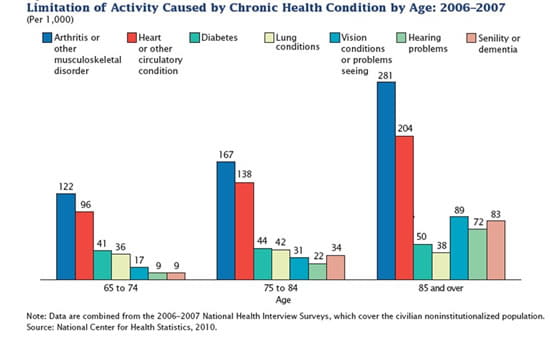
الشيخوخة تنتج في المقام الأول عن التدهور التدريجي لخلايانا وأعضائنا. عن طريق استبدال هذه المكونات الشيخوخة, فمن الممكن نظريًا الحفاظ على وظائف الجسم وإبطاء عملية الشيخوخة. وهذا قد يسمح للبشر بالعيش لمدة قرن ونصف, إن لم يكن أطول.
البحث الحالي والتقدم
في حين أن زرع الأعضاء الذاتية لا يزال في مراحله المبكرة, إن التقدم المحرز حتى الآن واعد. على سبيل المثال, نجح العلماء في معهد ويك فورست للطب التجديدي في هندسة وزرع أنسجة المثانة في المرضى. تم تحقيق إنجاز مهم آخر من قبل الباحثين في جامعة مينيسوتا, الذي ابتكر قلبًا نابضًا في المختبر باستخدام الخلايا الجذعية.
الاعتبارات الأخلاقية والتحديات المستقبلية
في حين أن الفوائد المحتملة لزراعة الأعضاء الذاتية لإطالة الحياة هائلة, كما أنه يثير العديد من الاعتبارات الأخلاقية والعملية التي تحتاج إلى معالجة:
- التكلفة وإمكانية الوصول: تعتبر عملية زرع الأعضاء الذاتية عملية مكلفة. ومن الأهمية بمكان التأكد من أن هذه العلاجات التي تطيل الحياة متاحة للجميع, ليس فقط الأثرياء.
- الآثار المترتبة على السكان والموارد: إذا بدأ الناس يعيشون لفترة أطول بكثير, بل يمكن أن يفرض ضغطًا إضافيًا على موارد كوكبنا وقدراته السكانية.
- جودة الحياة: تمديد الحياة لا يضمن بالضرورة نوعية حياة جيدة. ومن المهم التأكد من أن هذه السنوات الإضافية ستعيشها بصحة جيدة وسعادة.
خاتمة: مستقبل تمديد الحياة
يمثل زرع الأعضاء الذاتية قفزة كبيرة إلى الأمام في مجال إطالة الحياة. في حين أن احتمال العيش يصل إلى 150 سنوات أو أكثر قد لا تزال تبدو بعيدة المنال, تشير التطورات العلمية الحالية إلى أن الأمر ليس خارج نطاق الاحتمال تمامًا. لكن, ونحن نقترب من جعل هذا حقيقة واقعة, ومن المهم معالجة الآثار الأخلاقية والعملية لضمان أن هذه التطورات تفيد البشرية جمعاء وتساهم في مستقبل مستدام.
في النهاية, إن هدف إطالة العمر لا يتعلق فقط بإضافة سنوات إلى الحياة، بل يتعلق بإضافة حياة إلى سنوات. مع زرع الأعضاء ذاتيًا, من المحتمل أن نتمكن من فتح مستقبل نرتقي إليه 150 سنوات ليست ممكنة فقط, ولكن أيضًا مُرضية وذات مغزى.

مراجعة الحالة العلمية
هل ترغب في فهم ما إذا كانت البرامج السريرية الحالية, التطورات البحثية الأخيرة, أو قد تكون النهج الناشئة ذات الصلة بحالتك الفردية?
أرسل سؤالك إلى فريقنا العلمي. يقوم المكتب الرئيسي لـ NBScience في المملكة المتحدة بتنسيق الاستفسارات عبر الشبكة الدولية للمراكز الطبية, العلماء, و استشاريين متخصصين.
- مراجعة المعلومات التي تقدمها
- البحوث ذات الصلة ومعلومات البرنامج السريري
- استجابة واضحة تركز على حالتك
لا التزام. سيتم مراجعة سؤالك بسرية.
المعلومات التعليمية والبحثية فقط. هذه الخدمة لا تشكل نصيحة طبية, تشخبص, روشتة, أو شخصية توصية العلاج.

