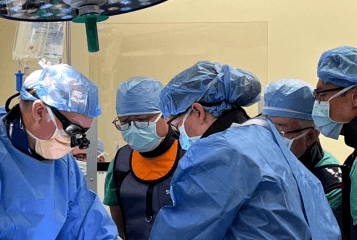
胚胎干细胞在白内障发病机制中的作用机制

胚胎干细胞在白内障发病机制中的作用机制 胚胎干细胞(ESC)来源于囊胚内细胞团,具有多能性,能够分化为三胚层的各种细胞类型,包括眼组织细胞谱系。经静脉注射后,ESC主要通过旁分泌信号调控、系统性免疫调节和细胞替代机制发挥其治疗效应。 在白内障治疗的背景下,ESC静脉注射的关键益处包括: 抗炎作用: ESC分泌细胞因子和外泌体,可调节系统性及局部的炎症反应。由于慢性炎症和氧化应激是晶状体上皮细胞(LECs)凋亡和晶状体混浊的主要诱因,ESC衍生的因子可有效缓解这些病理过程。 降低氧化应激: ESC通过上调超氧化物歧化酶(SOD)、过氧化氢酶(Catalase)和谷胱甘肽过氧化物酶等抗氧化酶,增强机体内源性抗氧化系统,从而保护晶状体蛋白免受氧化损伤与聚集。 促进晶状体上皮细胞再生: ESC可分化为类晶状体细胞,或分泌成纤维细胞生长因子(FGF)、肝细胞生长因子(HGF)、类胰岛素生长因子-1(IGF-1)等生长因子,支持LECs的再生与维持,有助于晶状体透明性。 抗纤维化活性: ESC通过下调TGF-β信号通路,可防止LECs发生上皮-间质转化(EMT),该过程是导致后发性囊膜混浊(PCO)的主要原因之一,也是白内障术后常见并发症。 免疫调节作用: ESC调节免疫细胞活性,降低系统性促炎因子的水平(如IL-6、TNF-α),从而优化眼部微环境,为组织修复提供有利条件。 临床效果与预期益处 虽然目前临床数据仍在积累中,但初步观察及动物/早期人体研究显示,ESC静脉注射治疗白内障可能带来如下效果: 结论 静脉注射胚胎干细胞为白内障的治疗提供了一种具有潜力的再生医学路径。它不仅缓解症状,更有望从病理机制层面(如氧化应激、炎症反应及上皮细胞退化)进行干预,可能彻底改变传统以手术为主的白内障治疗模式,迈向一种以“生物修复”为核心的全新医学体系。

Intravenous Stem Cell Therapy in Cardiovascular Diseases: Pathophysiology, Biochemical Mechanisms, and Therapeutic Potential

Abstract Cardiovascular diseases (CVDs) remain the leading cause of mortality globally. Despite major advancements in pharmacological and surgical treatments, myocardial tissue regeneration remains a significant challenge. Stem cell-based therapy, particularly intravenous (IV) stem cell administration, has emerged as a promising modality to repair, regenerate, and restore cardiac function. This article Read more

Therapeutic Role of Stem Cell-Derived Exosomes in Regenerative Medicine: A Molecular and Biochemical Perspective

Abstract Stem cell-derived exosomes represent a rapidly evolving frontier in regenerative medicine, acting as potent mediators of intercellular communication and mimicking many therapeutic effects of parent stem cells. Recent research highlights their role in modulating immune responses, promoting tissue repair, and enhancing cell survival. This comprehensive review synthesizes current knowledge Read more

Liver Regeneration in Cirrhosis: Pathophysiological, Biochemical, Molecular, and Clinical Mechanisms Across Different Stages as an Alternative to Liver Transplantation

Liver Regeneration in Cirrhosis: Pathophysiological, Biochemical, Molecular, and Clinical Mechanisms Across Different Stages as an Alternative to Liver Transplantation Early-Stage Cirrhosis (Compensated Cirrhosis) In the early stages of cirrhosis, liver architecture is still relatively preserved despite the onset of fibrotic changes. The regenerative capacity of hepatocytes remains partially functional, making Read more

Liver angiogenesis stimulation through treatment with mesenchymal stem cells and exosomal VEGF

Mesenchymal stem cells (MSCs) and exosomal vascular endothelial growth factor (VEGF) show promise in stimulating liver angiogenesis. This article analyzes the efficacy of this treatment, exploring its potential to regenerate liver tissue and improve liver function. [CONTENT] reveals key findings. #liverregeneration #angiogenesis #stemcells #VEGF

WhatsApp