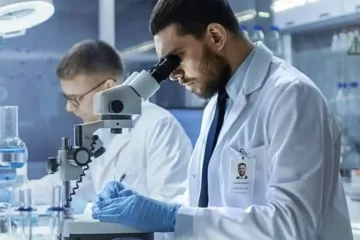
Exploring the Benefits of Stem Cells in Stroke-Induced Paralysis Recovery
Ataque, una de las principales causas de discapacidad en todo el mundo, often results in paralysis due to damage to the central nervous system. Conventional therapies for stroke-induced paralysis have limited efficacy, prompting the exploration of novel approaches. Terapia con células madre has emerged as a promising strategy, offering potential benefits for functional recovery.
Understanding Stroke-Induced Paralysis
El accidente cerebrovascular ocurre cuando se interrumpe el flujo sanguíneo al cerebro, causing damage to brain tissue. Paralysis can result from the destruction of neurons and disruption of neural pathways in areas such as the motor cortex, lo que lleva a la pérdida de la función motora.
Terapia con células madre: Un enfoque prometedor
Células madre, con su capacidad de autorrenovarse y diferenciarse en múltiples tipos de células, hold great promise for tissue repair and regeneration. In the context of stroke-induced paralysis, stem cells have demonstrated the potential to promote neurogenesis, enhance synaptic plasticity, y reducir la inflamación.
Mechanisms of Stem Cell Action in Paralysis
Las células madre ejercen sus efectos terapéuticos a través de diversos mecanismos.:
- Enhancing Neurogenesis and Synaptic Plasticity: Stem cells can differentiate into neurons and glia, contributing to the replacement of damaged brain tissue. They also promote the formation of new synapses, facilitating the reestablishment of neural circuits.
- Efectos inmunomoduladores de las células madre: Las células madre poseen propiedades inmunomoduladoras., suppressing the inflammatory response associated with stroke. Al reducir la inflamación, they create a more conducive environment for tissue repair and neural regeneration.
Functional Recovery and Motor Improvements
Preclinical studies in animal models have demonstrated that stem cell transplantation can lead to significant functional recovery and motor improvements. Stem cells promote the regeneration of motor neurons, restore neural connections, and enhance motor function.
Clinical Trials and Stem Cell Transplantation
Se están realizando ensayos clínicos para evaluar la seguridad y eficacia de terapia con células madre for stroke-induced paralysis. Si bien algunos estudios han mostrado resultados prometedores, further research is needed to optimize cell delivery methods and determine the optimal timing and dosage for transplantation.
Consideraciones éticas y direcciones futuras
Terapia con células madre raises ethical considerations regarding the source and type of stem cells used. Future research should focus on developing ethical guidelines and exploring alternative stem cell sources, como las células madre pluripotentes inducidas (iPSC).
Desafíos y limitaciones de la terapia con células madre
A pesar de su promesa, terapia con células madre faces challenges. Estos incluyen el potencial de formación de tumores., rechazo inmunológico, and the need for invasive surgical procedures. Ongoing research aims to overcome these limitations and improve the safety and effectiveness of stem cell transplantation.
Estudios Preclínicos y Modelos Animales
Preclinical studies in animal models have played a crucial role in advancing terapia con células madre for stroke-induced paralysis. These studies have provided insights into the mechanisms of action, tipos de células óptimos, and delivery methods.
Cell Delivery Methods and Optimization
The choice of cell delivery method is critical for the success of terapia con células madre. Researchers are exploring various techniques, including intracerebral injection, intraventricular infusion, and stem cell-laden scaffolds, to optimize cell delivery and enhance engraftment.
Selección de pacientes y factores pronósticos
Identifying appropriate patients for terapia con células madre es esencial. Prognostic factors, such as stroke severity, lesion location, and patient age, may influence the likelihood of successful recovery.
Terapia con células madre holds great promise for improving functional recovery in stroke-induced paralysis. Si bien persisten los desafíos, ongoing research is paving the way for the development of safe and effective stem cell-based therapies that can restore motor function and enhance the quality of life for stroke survivors.


La información contenida en esta página está destinada a fines científicos., educativo, y fines informativos generales.. Enfoques clínicos, disponibilidad, y el estado regulatorio puede variar según el país, institución, e indicación médica. Para decisiones médicas individuales, Los lectores deben consultar a profesionales sanitarios cualificados y centros médicos acreditados..
Este artículo ha sido elaborado por el equipo editorial de NBScience en el ámbito de la investigación clínica., biotecnología, e información médica internacional.