Zuletzt aktualisiert: August 17, 2026
4
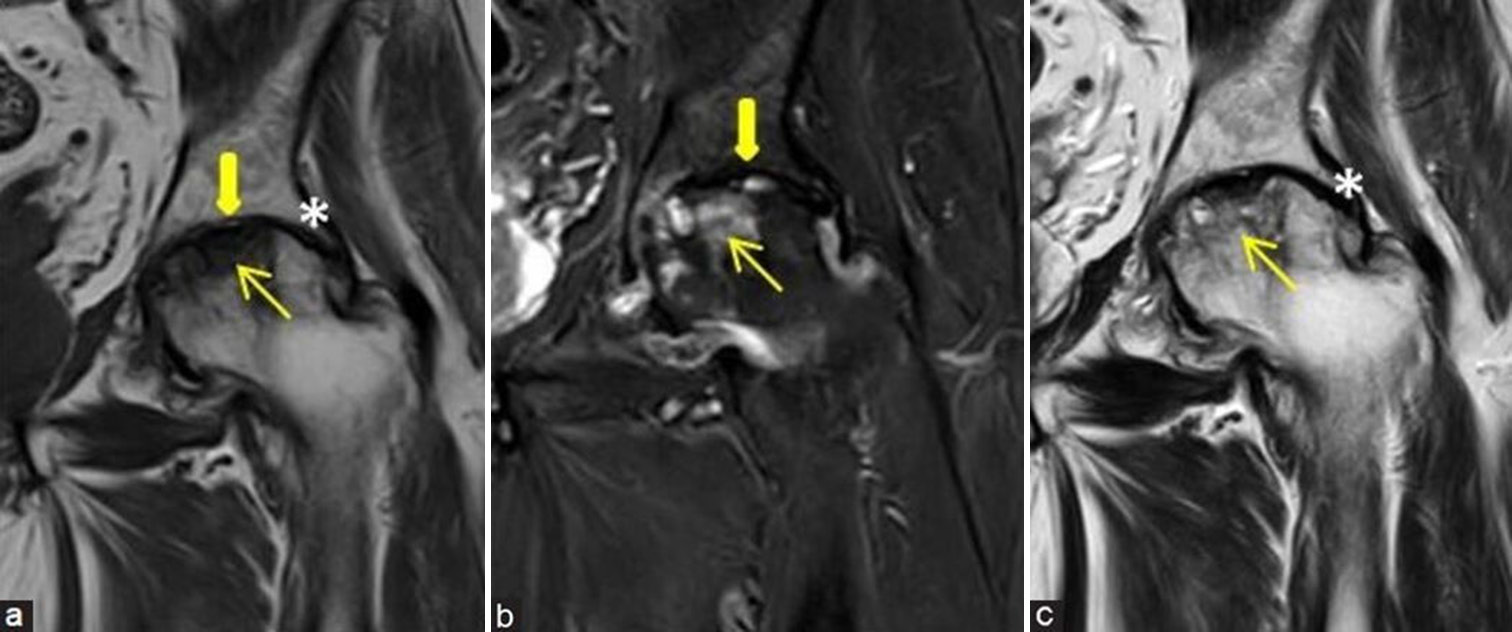
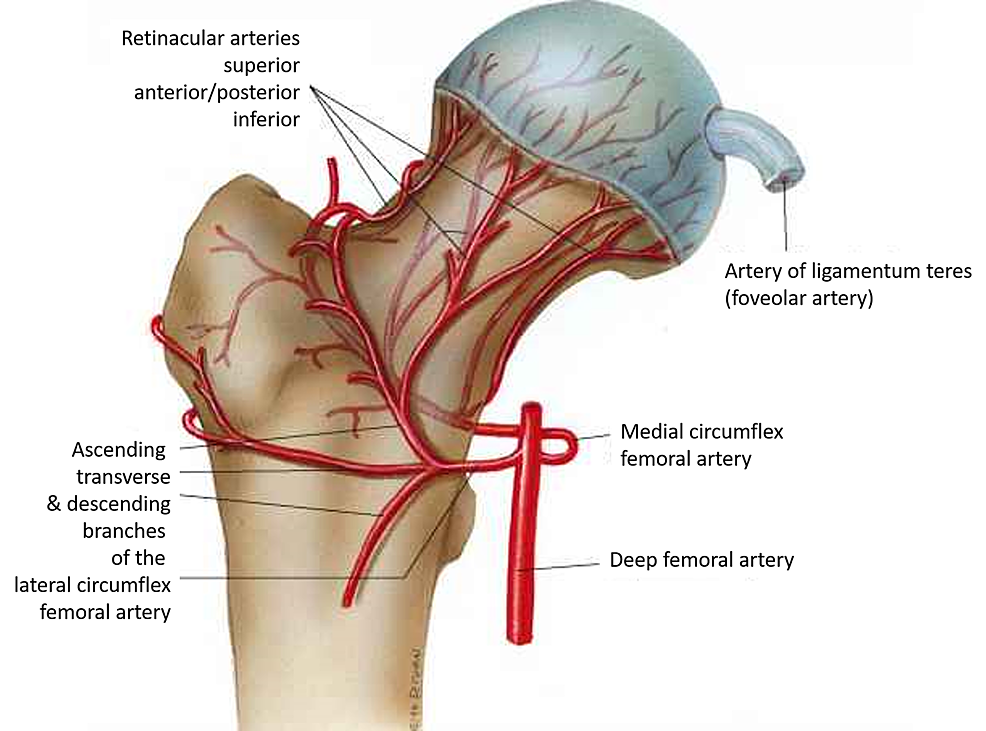
Avaskuläre Nekrose (AVN) der Hüfte, auch Osteonekrose genannt, ist eine fortschreitende und möglicherweise behindernde Erkrankung, die durch a verursacht wird Verlust der Blutversorgung des Femurkopfes. Ohne ausreichende Durchblutung, Knochengewebe beginnt abzusterben, Dies führt im Laufe der Zeit zum strukturellen Zusammenbruch des Gelenks.
Aber was genau verursacht AVN?? Und was noch wichtiger ist: Können moderne Behandlungen wie die Stammzelltherapie eine Alternative zur Operation darstellen??
🧠 Was ist avaskuläre Nekrose und warum tritt sie auf??
Eine AVN entsteht, wenn die empfindliche Blutversorgung des Femurkopfes gestört wird. Dies kann aufgrund von passieren:
- langfristig Verwendung von Kortikosteroiden
- übermäßiger Alkoholkonsum
- Trauma oder Hüftverletzung
- Erkrankungen der Blutgefäße
- bestimmte chronische Erkrankungen
Wenn die Durchblutung verringert ist, Knochenzellen können nicht überleben. Im Laufe der Zeit, das führt dazu Knochenschwächung, Mikrofrakturen, und schließlich zum Kollaps des Femurkopfes.
👉 Aber warum ist dieser Zustand so ernst??
Denn sobald Bauschäden beginnen, Das Gelenk kann sich schnell verschlechtern.
⚠️ Was sind die frühen Symptome einer AVN??
Das ist eine der größten Herausforderungen bei AVN Frühstadien können nahezu asymptomatisch sein.
Jedoch, wenn der Zustand fortschreitet, Patienten fragen oft:
👉 „Warum habe ich auch ohne Verletzung tiefe Schmerzen in der Hüfte??”
Zu den häufigsten Symptomen gehören::
- tiefer Schmerz in der Hüfte oder Leiste
- Beschwerden beim Gehen oder Stehen
- Steifheit im Gelenk
- eingeschränkter Bewegungsbereich
In späteren Stadien:
- Der Schmerz wird konstant
- Die Bewegung wird eingeschränkt
- das Gehen wird schwierig
👉 Das wirft eine wichtige Frage auf:
Kann eine AVN früh genug erkannt werden, um einen Gelenkkollaps zu verhindern??
Ja – eine frühzeitige Diagnose mittels MRT kann AVN identifizieren, bevor strukturelle Schäden schwerwiegend werden.
🔬 Was passiert, wenn AVN unbehandelt bleibt??
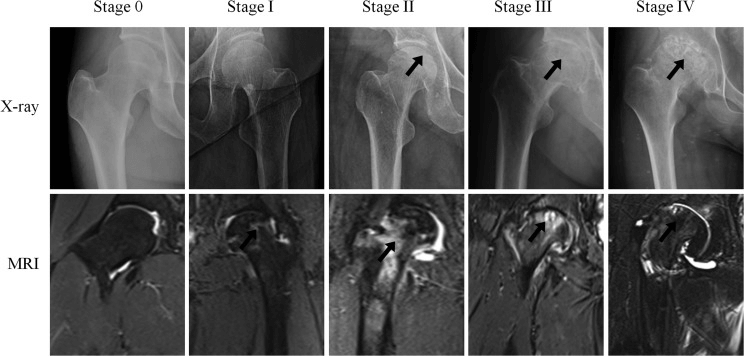
Ohne Eingriff, AVN verläuft typischerweise phasenweise:
- Reduzierter Blutfluss
- Absterben von Knochenzellen
- Strukturelle Schwächung
- Kollaps des Femurkopfes
- Sekundäre Arthritis
👉 Was bedeutet das also für Patienten??
In vielen Fällen, es führt dazu Totaler Hüftersatz, insbesondere im fortgeschrittenen Stadium.
⚠️ Warum konventionelle Behandlungen oft fehlschlagen?
Zu den Standardbehandlungsoptionen gehören::
- Schmerzmittel
- reduzierte Gewichtsbelastung
- Physiotherapie
- Kerndekompressionsoperation
- totaler Hüftersatz
👉 Aber hier liegt das Kernproblem:
Die meisten herkömmlichen Behandlungen stellen abgestorbenes Knochengewebe nicht wieder her.
Sie dürfen:
- Symptome lindern
- langsamer Fortschritt
Aber sie den zugrunde liegenden Schaden nicht rückgängig machen.
❓ Kann eine Operation vermieden werden??
Dies ist eine der häufigsten Fragen, die Patienten stellen:
👉 „Ist es möglich, auf einen Hüftgelenkersatz zu verzichten??”
Die Antwort hängt davon ab:
- Stadium der Krankheit
- Ausmaß der Knochenschädigung
- Zeitpunkt des Eingriffs
In frühen Stadien, Das Interesse daran wächst regenerative Ansätze.
🔬 Wie funktioniert die Stammzelltherapie bei AVN??
Stammzelltherapie wird aktiv als Möglichkeit untersucht, die Knochenreparatur auf zellulärer Ebene zu unterstützen.
Aber was macht es anders??
Im Gegensatz zu herkömmlichen Behandlungen, Stammzellen können:
- Unterstützung Knochenregeneration
- fördern Angiogenese (Bildung neuer Blutgefäße)
- Entzündungen reduzieren
- Verbesserung der lokalen biologischen Umwelt
👉 Dies führt zu einer weiteren Schlüsselfrage:
Können Stammzellen tatsächlich dabei helfen, geschädigten Knochen wiederherzustellen??
Die Forschung legt das nahe mesenchymale Stammzellen (MSCs) kann zu Reparaturprozessen beitragen, insbesondere im frühen und mittleren AVN-Stadium.
🌍 Warum reisen Patienten zur Stammzelltherapie??
Viele Patienten sind heute nicht auf lokale Behandlungsmöglichkeiten beschränkt.
Sie fragen:
👉 „Wo finde ich fortschrittliche regenerative Medizin??”
Dies hat zu einem erhöhten Interesse an spezialisierten Zentren geführt.
In einem Biotechnologielabor in Barcelona, Spanien, Ein internationales Team aus Wissenschaftlern und medizinischen Fachkräften arbeitet daran Stammzelltherapie seit über 20 Jahren 25 Jahre.
🔬 Was Barcelona anders macht?
Der in Barcelona ansässige Ansatz baut auf:
- langjährige wissenschaftliche Erfahrung
- kontrollierte Laborprotokolle
- multidisziplinäre Zusammenarbeit
- personalisierte Behandlungsstrategien
👉 Warum Erfahrung wichtig ist?
Denn die Stammzelltherapie ist kein einfaches Verfahren – sie erfordert:
- Präzises Zellhandling
- biologisches Fachwissen
- klinisches Verständnis
🧠 Was ist das Ziel der regenerativen Therapie??
Das Ziel ist nicht nur die Linderung der Symptome.
Stattdessen, es konzentriert sich auf:
- Schonung des Gelenks
- Unterstützung der natürlichen Reparatur
- Verbesserung der Funktion
- eine Operation hinauszuzögern oder zu vermeiden
👉 Das führt zu einer entscheidenden Frage:
Ist die regenerative Medizin die Zukunft der orthopädischen Behandlung??
Viele Experten gehen davon aus, dass es eine immer wichtigere Rolle spielen wird.

Wissenschaftliche Fallbesprechung
Möchten Sie verstehen, ob aktuelle klinische Programme, aktuelle Forschungsentwicklungen, oder neue Ansätze können sein relevant für Ihre individuelle Situation?
Senden Sie Ihre Frage an unser wissenschaftliches Team. Der Hauptsitz von NBScience im Vereinigten Königreich koordiniert Anfragen im internationalen Netzwerk medizinischer Zentren, Wissenschaftler, und spezialisierte Berater.
- Überprüfung der von Ihnen bereitgestellten Informationen
- Relevante Informationen zu Forschung und klinischen Programmen
- Eine klare Antwort, die sich auf Ihre Situation konzentriert
Keine Verpflichtung. Ihre Frage wird vertraulich behandelt.
Nur Bildungs- und Forschungsinformationen. Dieser Dienst funktioniert nicht stellen eine medizinische Beratung dar, Diagnose, Rezept, oder eine personalisierte Behandlungsempfehlung.

