آخر تحديث: أغسطس 17, 2026
العلاج بالخلايا الجذعية لمرض هنتنغتون.
مرض هنتنغتون (عالية الدقة) هو مرض وراثي وراثي يدمر "الخلايا العصبية الشوكية المتوسطة" (ام اس ان) في الدماغ, مما يؤدي إلى تغييرات عاطفية, التدهور العقلي وضعف الحركة.
يشمل الثالوث السريري لـ HD الرقص, الاضطرابات النفسية/السلوكية والتدهور المعرفي.
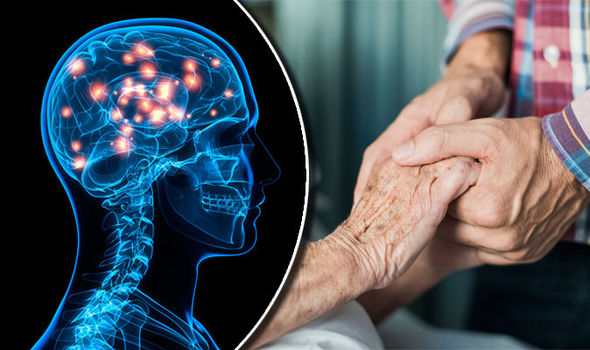
Beneficial effects of stem cells therapy
have been reported for transplantation of stem cells derived
from non-neural tissue, على سبيل المثال, اللحمة المتوسطة- and adipose-derived stem cells, which have mainly been attributed to their secretion of growth and neurotrophic factors.
iPSCs and embryonic stem cells may be able to make large numbers of neural stem cells.
People with the degenerative disorder Huntington’s disease could receive treatment with stem cells
to slow development of symptoms.
الخلايا الجذعية الوسيطة (ماجستير) have been shown to have significant effects on restoring synaptic connections between
damaged neurons, promoting neurite outgrowth, secreting anti-apoptotic factors in the brain, and regulating inflammation.
Many trials have assessed the safety and efficacy of human MSC delivery to neuronal tissues via systemic IV infusion.

مراجعة الحالة العلمية
هل ترغب في فهم ما إذا كانت البرامج السريرية الحالية, التطورات البحثية الأخيرة, أو قد تكون النهج الناشئة ذات الصلة بحالتك الفردية?
أرسل سؤالك إلى فريقنا العلمي. يقوم المكتب الرئيسي لـ NBScience في المملكة المتحدة بتنسيق الاستفسارات عبر الشبكة الدولية للمراكز الطبية, العلماء, و استشاريين متخصصين.
- مراجعة المعلومات التي تقدمها
- البحوث ذات الصلة ومعلومات البرنامج السريري
- استجابة واضحة تركز على حالتك
ماذا سيحدث بعد ذلك?
أرسل سؤالك, الحصول على مراجعة علمية مركزة, واحصل على إجابة واضحة حول الأبحاث والبرامج السريرية ذات الصلة بحالتك.
سيتم إعداد مراجعتك العلمية بواسطة دكتور. هيلين ملنيك,دكتوراه , الذي لديه أكثر من 25 سنوات من الخبرة في أبحاث الخلايا الجذعية والبرامج السريرية الدولية.
لا التزام. سيتم مراجعة سؤالك بسرية.
المعلومات التعليمية والبحثية فقط. هذه الخدمة لا تشكل نصيحة طبية, تشخبص, روشتة, أو شخصية توصية العلاج.

