آخر تحديث: أغسطس 17, 2026
طفل سابق لأوانه, استشارة مجانية
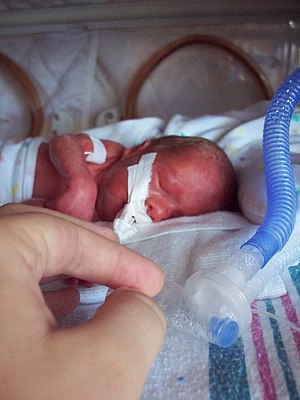
الولادة المبكرة
أسماء أخرى الولادة المبكرة, الخدج, premies
طفل سابق لأوانه مع جهاز التنفس الصناعي.jpg
تنبيب الطفل الخديج في الحاضنة
تخصص حديثي الولادة, طب الأطفال, التوليد
الأعراض ولادة طفل في عمر أصغر من 37 أسابيع’ عمر الحمل[1]
مضاعفات الشلل الدماغي, التأخير في التنمية, مشاكل في السمع, مشاكل البصر[1]
الأسباب غالبًا ما تكون غير معروفة[2]
عوامل الخطر مرض السكري, ضغط دم مرتفع, الحمل المتعدد, السمنة أو نقص الوزن, عدد من الالتهابات المهبلية, مرض الاضطرابات الهضمية, تدخين التبغ, الضغط النفسي[2][3][4]
الوقاية من البروجسترون[5]
العلاج بالكورتيكوستيرويدات, الحفاظ على دفء الطفل من خلال ملامسة الجلد للجلد, دعم الرضاعة الطبيعية, علاج الالتهابات, دعم التنفس[2][6]
تردد ~ 15 مليون سنويا (12% من عمليات التسليم)[2]
حالات الوفاة 805,800[7]
الولادة المبكرة, المعروف أيضا باسم الولادة المبكرة, هي ولادة طفل في أقل من 37 أسابيع من عمر الحمل, على عكس التسليم على المدى الكامل تقريبًا 40 أسابيع.[1] الولادة المبكرة جدًا تكون من قبل 32 أسابيع, تحدث الولادة المبكرة في الفترة ما بين 32 إلى 36 أسبوعًا, الولادة المبكرة المتأخرة تتراوح ما بين 34 إلى 36 أسبوعًا’ الحمل.[8] يُعرف هؤلاء الأطفال أيضًا باسم الأطفال المبتسرين أو الأطفال الخدج بالعامية (الإنجليزية الأمريكية)[9] أو مقدمات (الإنجليزية الأسترالية).[10] تشمل أعراض المخاض المبكر تقلصات الرحم التي تحدث أكثر من كل عشر دقائق و/أو تسرب السائل من المهبل قبل الولادة. 37 أسابيع.[11] الأطفال المبتسرون هم أكثر عرضة للإصابة بالشلل الدماغي, التأخير في التنمية, مشاكل في السمع ومشاكل في الرؤية.[1] كلما ولد الطفل في وقت مبكر, كلما كانت هذه المخاطر أكبر.[1]
غالبًا ما يكون سبب الولادة المبكرة التلقائية غير معروف.[2] عوامل الخطر تشمل مرض السكري, ضغط دم مرتفع, الحمل المتعدد (الحمل بأكثر من طفل واحد), الإصابة بالسمنة أو نقص الوزن, الالتهابات المهبلية, التعرض لتلوث الهواء, تدخين التبغ, والضغوط النفسية .[2][3][12] من أجل حمل صحي, لا ينصح بالتحريض الطبي للمخاض أو الولادة القيصرية من قبل 39 أسابيع ما لم يكن ذلك مطلوبا لأسباب طبية أخرى.[2] قد تكون هناك أسباب طبية معينة للولادة المبكرة مثل تسمم الحمل.[13]
يمكن منع الولادة المبكرة لدى الأشخاص المعرضين للخطر إذا تم تناول هرمون البروجسترون أثناء الحمل.[5] الأدلة لا تدعم فائدة الراحة في الفراش.[5][14] وتشير التقديرات إلى ذلك على الأقل 75% من الأطفال الخدج سوف يبقون على قيد الحياة مع العلاج المناسب, ويكون معدل البقاء على قيد الحياة أعلى بين الأطفال الذين يولدون في آخر فترة حمل.[2] في النساء اللاتي قد يلدن بين 24 و 37 أسابيع, العلاج بالكورتيكوستيرويد قد يحسن النتائج.[6][15] عدد من الأدوية, بما في ذلك النيفيديبين, قد يؤخر الولادة حتى يمكن نقل الأم إلى حيث يتوفر المزيد من الرعاية الطبية ويكون لدى الكورتيكوستيرويدات فرصة أكبر للعمل.[16] بمجرد ولادة الطفل, تشمل الرعاية الحفاظ على دفء الطفل من خلال ملامسة الجلد للجلد أو الحضانة, دعم الرضاعة الطبيعية و/أو الرضاعة الصناعية, علاج الالتهابات, ودعم التنفس.[2] يحتاج الأطفال المبتسرون في بعض الأحيان إلى التنبيب.[2]
الولادة المبكرة هي السبب الأكثر شيوعًا للوفاة بين الرضع في جميع أنحاء العالم.[1] عن 15 مليون طفل يولدون قبل الأوان كل عام (5% ل 18% من جميع عمليات التسليم).[2] حسابات الولادة المبكرة المتأخرة 75% من جميع الولادات المبكرة.[17] وهذا المعدل غير متسق بين البلدان. في المملكة المتحدة 7.9% من الأطفال يولدون قبل الأوان وفي الولايات المتحدة 12.3% من كل الولادات هي من قبل 37 أسابيع الحمل.[18][19] تقريبًا 0.5% من الولادات هي ولادات مبكرة للغاية (20-25 أسابيع من الحمل), وهذه مسؤولة عن معظم الوفيات.[20] في العديد من البلدان, زادت معدلات الولادات المبكرة بين التسعينيات والعقد الأول من القرن الحادي والعشرين.[2] أدت المضاعفات الناجمة عن الولادة المبكرة إلى 0.81 مليون حالة وفاة في 2015, أسفل من 1.57 مليون في 1990.[7][21] فرصة البقاء على قيد الحياة في 22 أسابيع على وشك 6%, بينما في 23 أسابيع هو عليه 26%, 24 أسابيع 55% و 25 أسابيع حول 72%.[22] فرص البقاء على قيد الحياة دون أي صعوبات طويلة الأمد تكون أقل.[23
العلامات والأعراض
أم جديدة تحمل طفلها الخديج في مركز كابيولاني الطبي (NICU) في هونولولو, هاواي
تشمل علامات وأعراض المخاض المبكر حدوث أربع انقباضات أو أكثر في الرحم خلال ساعة واحدة. على عكس العمل الكاذب, يصاحب المخاض الحقيقي توسع عنق الرحم ومحوه. أيضًا, نزيف مهبلي في الثلث الثالث من الحمل, الضغط الشديد في الحوض, أو يمكن أن تكون آلام البطن أو الظهر مؤشرات على أن الولادة المبكرة على وشك الحدوث. قد يشير الإفراز المائي من المهبل إلى تمزق الأغشية المحيطة بالجنين قبل الأوان. في حين أن تمزق الأغشية قد لا يتبعه المخاض, عادة ما يشار إلى الولادة على أنها عدوى (التهاب المشيماء والسلى) يشكل تهديدا خطيرا لكل من الجنين والأم. في بعض الحالات, يتوسع عنق الرحم قبل الأوان دون ألم أو تقلصات محسوسة, حتى لا تظهر لدى الأم علامات تحذيرية إلا في مرحلة متأخرة جداً من عملية الولادة.
الأسباب
الفئات الرئيسية لأسباب الولادة المبكرة هي تحريض المخاض قبل الأوان والمخاض المبكر التلقائي.
عوامل الخطر
من الصعب تحديد السبب الدقيق للولادة المبكرة التلقائية وقد يكون سببها العديد من العوامل المختلفة في نفس الوقت الذي يكون فيه المخاض عملية معقدة.[24][25] تم تحديد أربعة مسارات مختلفة يمكن أن تؤدي إلى الولادة المبكرة ولها أدلة كثيرة: تنشيط الغدد الصماء الجنينية المبكرة, فرط تمدد الرحم (انفصال المشيمة), نزيف ساقطي, والتهاب أو عدوى داخل الرحم.[26]
إن تحديد النساء المعرضات لخطر الولادة المبكرة من شأنه أن يمكّن الخدمات الصحية من توفير رعاية متخصصة لهؤلاء النساء وأطفالهن, على سبيل المثال، مستشفى به وحدة رعاية خاصة للأطفال مثل وحدة العناية المركزة لحديثي الولادة (وحدة العناية المركزة لحديثي الولادة). في بعض الحالات, قد يكون من الممكن تأخير الولادة. تم اقتراح أنظمة تسجيل المخاطر كنهج لتحديد الأشخاص الأكثر عرضة للخطر, لكن, لا توجد أبحاث قوية في هذا المجال، لذا فمن غير الواضح ما إذا كان استخدام أنظمة تسجيل المخاطر لتحديد الأمهات من شأنه إطالة أمد الحمل وتقليل أعداد الولادات المبكرة أم لا.[27]
العوامل الأمومية
عامل الخطر المخاطر النسبية[28] 95% ثقة
فاصلة[28]
فيبرونكتين الجنين 4.0 2.9-5.5
طول عنق الرحم قصير 2.9 2.1-3.9
الكلاميديا 2.2 1.0-4.8
الوضع الاجتماعي والاقتصادي المنخفض 1.9 1.7-2.2
زيادة كبيرة أو صغيرة في وزن الحمل 1.8 1.5-2.3
قصر طول الأم 1.8 1.3-2.5
التهاب اللثة 1.6 1.1-2.3
مرض الاضطرابات الهضمية 1.4[29] 1.2-1.6[29]
البيلة الجرثومية بدون أعراض 1.1 0.8-1.5
ارتفاع أو انخفاض مؤشر كتلة الجسم 0.96 0.66-1.4
نسبة الأرجحية
تاريخ الولادة المبكرة التلقائية 3.6 3.2-4.0
التهاب المهبل البكتيري 2.2 1.5–3.1
العرق الأسود / العرق 2.0 1.8-2.2
أصل فلبيني[30] 1.7 1.5-2.1
الحمل غير المرغوب فيه[31]:1 1.5 1.41-1.61
الحمل غير المقصود[31]:1 1.31 1.09-1.58
أن تكون أعزب/غير متزوجة[32] 1.2 1.03-1.28
نسبة الولادات المبكرة في إنجلترا وويلز 2011, حسب عمر الأم وما إذا كانت ولادة واحدة أو متعددة.
تم تحديد عوامل الخطر لدى الأم والتي ترتبط بزيادة خطر الولادة المبكرة. وتشمل هذه العمر,[33] مؤشر كتلة الجسم مرتفع أو منخفض (مؤشر كتلة الجسم),[34][35] طول الفترة الزمنية بين حالات الحمل,[36] عفوية سابقة (أي., الإجهاض) أو الإجهاض الجراحي,[37][38] حالات الحمل غير المقصود,[31] مرض الاضطرابات الهضمية غير المعالج أو غير المشخص,[29][4] صعوبات الخصوبة, التعرض للحرارة,[39] والمتغيرات الجينية.[40]
أعطت الدراسات حول نوع العمل والنشاط البدني نتائج متضاربة, ولكن من رأى أن الظروف العصيبة, الأشغال الشاقة, وربما ترتبط ساعات العمل الطويلة بالولادة المبكرة.[33] السمنة لا تؤدي مباشرة إلى الولادة المبكرة;[41] لكن, ويرتبط بمرض السكري وارتفاع ضغط الدم وهي عوامل خطر في حد ذاتها.[33] إلى حد ما، قد يكون لدى هؤلاء الأفراد ظروف كامنة (أي., تشوه الرحم, ارتفاع ضغط الدم, السكري) التي لا تزال قائمة. الأزواج الذين حاولوا أكثر من 1 سنة مقابل أولئك الذين حاولوا أقل من 1 سنة قبل تحقيق الحمل التلقائي لديها نسبة الأرجحية المعدلة 1.35 (95% فاصل الثقة 1.22-1.50) من الولادة المبكرة.[42] الحمل بعد التلقيح الصناعي يزيد من خطر الولادة المبكرة مقارنة بالحمل التلقائي بعد أكثر من 1 سنة من المحاولة, مع نسبة الأرجحية المعدلة 1.55 (95% سي آي 1.30-1.85).[42]
قد تكون بعض الأعراق معرضة لخطر أكبر أيضًا. على سبيل المثال, في الولايات المتحدة. والمملكة المتحدة, تبلغ معدلات الولادة المبكرة لدى النساء السود 15-18%, أكثر من ضعف عدد السكان البيض. تعاني العديد من النساء السود من ارتفاع معدلات الولادة المبكرة بسبب عوامل متعددة ولكن الأكثر شيوعًا هو الكميات الكبيرة من الإجهاد المزمن, والتي يمكن أن تؤدي في النهاية إلى الولادة المبكرة.[43] لا ينطبق المرض المزمن عند البالغين دائمًا على الولادة المبكرة عند النساء السود, مما يجعل من الصعب تحديد العامل الرئيسي للولادة المبكرة.[43] الفلبينيون معرضون أيضًا لخطر الولادة المبكرة, ويُعتقد أن ما يقرب من 11-15% من الفلبينيين ولدوا في الولايات المتحدة. (مقارنة بالآسيويين الآخرين في 7.6% والبيض عند 7.8%) سابقة لأوانها.[44] ويتجلى كون الفلبينيين عامل خطر كبير حيث تحتل الفلبين المرتبة الثامنة في العالم من حيث الولادات المبكرة, الدولة غير الأفريقية الوحيدة في القمة 10.[45] لا يمكن رؤية هذا التناقض بالمقارنة مع المجموعات الآسيوية الأخرى أو المهاجرين من أصل اسباني ويظل غير مبرر.[33] يعد التركيب الوراثي أحد العوامل المسببة للولادة المبكرة. لقد كان علم الوراثة عاملاً كبيرًا في سبب تعرض الفلبينيين لخطر كبير للولادة المبكرة، حيث أن الفلبينيين لديهم انتشار كبير للطفرات التي تساعدهم على الاستعداد للولادة المبكرة.[44] داخل- وقد تم إثبات الزيادة عبر الأجيال في خطر الولادة المبكرة.[40] ولم يتم تحديد أي جين واحد.
ترتبط الحالة الاجتماعية بخطر الولادة المبكرة. دراسة 25,373 كشفت حالات الحمل في فنلندا أن الأمهات غير المتزوجات لديهن ولادات مبكرة أكثر من الأمهات المتزوجات (ع = 0.001).[32] ارتبط الحمل خارج إطار الزواج عمومًا بـ 20% زيادة في إجمالي النتائج السلبية, حتى في الوقت الذي كانت فيه فنلندا تقدم رعاية الأمومة المجانية. دراسة في كيبيك 720,586 الولادات من 1990 ل 1997 كشفت عن انخفاض خطر الولادة المبكرة للرضع الذين لديهم أمهات متزوجات قانونيًا مقارنة بالأطفال الذين لديهم آباء متزوجين أو غير متزوجين.[46][يحتاج إلى التحديث]
العوامل أثناء الحمل
الأدوية أثناء الحمل, الظروف المعيشية, تلوث الهواء, تدخين, المخدرات غير المشروعة أو الكحول, عدوى, أو قد تؤدي الصدمة الجسدية أيضًا إلى الولادة المبكرة.
تلوث الهواء: يعد العيش في منطقة بها نسبة عالية من تلوث الهواء عامل خطر رئيسي للولادة المبكرة, بما في ذلك العيش بالقرب من الطرق الرئيسية أو الطرق السريعة حيث تكون انبعاثات المركبات مرتفعة بسبب الازدحام المروري أو تكون طريقًا لشاحنات الديزل التي تميل إلى انبعاث المزيد من التلوث.[47][48][12] البلدان التي لديها أعلى معدلات تلوث الهواء المرتبطة بالولادات المبكرة تقع في جنوب وشرق آسيا, الشرق الأوسط, شمال أفريقيا, وغرب أفريقيا جنوب الصحراء الكبرى.[الاقتباس اللازمة]
إن استخدام أدوية الخصوبة التي تحفز المبيض على إطلاق بويضات متعددة واستخدام التلقيح الاصطناعي مع نقل الأجنة لأجنة متعددة قد يكون عامل خطر للولادة المبكرة.. في كثير من الأحيان يجب أن يتم تحريض المخاض لأسباب طبية; وتشمل هذه الظروف ارتفاع ضغط الدم,[49] تسمم الحمل,[50] مرض السكري الأم,[51] الربو, مرض الغدة الدرقية, وأمراض القلب.
بعض الحالات الطبية لدى الأم الحامل قد تزيد أيضًا من خطر الولادة المبكرة. تعاني بعض النساء من مشاكل تشريحية تمنع حمل الطفل حتى نهايته. وتشمل هذه عنق الرحم ضعيف أو قصير (أقوى مؤشر للولادة المبكرة).[52][53][54][49] النساء اللاتي يعانين من نزيف مهبلي أثناء الحمل أكثر عرضة للولادة المبكرة. في حين أن النزيف في الثلث الثالث من الحمل قد يكون علامة على المشيمة المنزاحة أو انفصال المشيمة - وهي الحالات التي تحدث في كثير من الأحيان قبل الأوان - فحتى النزيف المبكر الذي لا ينتج عن هذه الحالات يرتبط بارتفاع معدل الولادات المبكرة.[55] النساء مع كميات غير طبيعية من السائل الأمنيوسي, سواء كان أكثر من اللازم (استسقاء السلى) أو القليل جدا (قلة السائل السلوي), هم أيضا في خطر.[33] تم ربط القلق والاكتئاب كعوامل خطر للولادة المبكرة.[33][56]
استخدام التبغ, الكوكايين, والإفراط في شرب الكحول أثناء الحمل يزيد من فرصة الولادة المبكرة. التبغ هو الدواء الأكثر استخدامًا أثناء الحمل ويساهم بشكل كبير في انخفاض الوزن عند الولادة.[57] الأطفال الذين يعانون من عيوب خلقية هم أكثر عرضة لخطر الولادة قبل الأوان.[58]
يؤثر التدخين السلبي و/أو التدخين قبل الحمل على احتمالية الولادة المبكرة. ونشرت منظمة الصحة العالمية دراسة دولية في مارس/آذار 2014.[59]
يرتبط وجود الأجسام المضادة للغدة الدرقية بزيادة خطر الولادة المبكرة مع نسبة احتمالية تبلغ 1.9 و 95% فاصل الثقة من 1.1-3.5.[60]
يعد العنف الحميم ضد الأم عامل خطر آخر للولادة المبكرة.[61]
قد تؤدي الصدمة الجسدية إلى الولادة المبكرة. لقد ثبت أن الطريقة الثقافية النيجيرية لتدليك البطن تؤدي إلى 19% الولادة المبكرة بين النساء في نيجيريا, بالإضافة إلى العديد من النتائج السلبية الأخرى على الأم والطفل.[62] العلاج بالتدليك الذي يجريه معالج تدليك معتمد / مرخص أو مدرب، لا ينبغي الخلط بينه وبين التدليك الذي يجريه معالج تدليك مدرب بالكامل ومرخص أو بواسطة أشخاص آخرين مهمين مدربين على تقديم التدليك أثناء الحمل, والذي ثبت أن له العديد من النتائج الإيجابية أثناء الحمل, بما في ذلك الحد من الولادة المبكرة, اكتئاب أقل, انخفاض الكورتيزول, وتقليل القلق.[63]
عدوى
يرتبط تواتر العدوى عند الولادة المبكرة عكسًا بعمر الحمل. ترتبط عدوى الميكوبلازما التناسلية بزيادة خطر الولادة المبكرة, والإجهاض التلقائي.[64]
الكائنات الحية الدقيقة المعدية يمكن أن تكون تصاعدية, دموي, علاجي المنشأ عن طريق الإجراء, أو تراجع من خلال قناتي فالوب. من الساقط قد يصلون إلى المسافة بين السلى والمشيماء, السائل الأمنيوسي, والجنين. قد يؤدي التهاب المشيماء والسلى أيضًا إلى إنتان الأم. ترتبط عدوى الجنين بالولادة المبكرة والإعاقة الكبيرة طويلة المدى بما في ذلك الشلل الدماغي.[65]
تم الإبلاغ عن أن استعمار الساقط بدون أعراض يحدث في ما يصل إلى 70% من النساء عند الولادة باستخدام مسبار الحمض النووي مما يشير إلى أن وجود الكائنات الحية الدقيقة وحدها قد لا تكون كافية لبدء الاستجابة المعدية.
نظرًا لأن هذه الحالة أكثر انتشارًا بين النساء السود في الولايات المتحدة. والمملكة المتحدة, وقد اقترح أن يكون تفسيرا لارتفاع معدل الولادة المبكرة في هؤلاء السكان. يُعتقد أن التهاب المهبل الجرثومي قبل أو أثناء الحمل قد يؤثر على الاستجابة الالتهابية الساقطة التي تؤدي إلى الولادة المبكرة. يمكن أن تكون الحالة المعروفة باسم التهاب المهبل الهوائي عامل خطر خطير للولادة المبكرة; فشلت العديد من الدراسات السابقة في الاعتراف بالفرق بين التهاب المهبل الهوائي والتهاب المهبل الجرثومي, وهو ما قد يفسر بعض التناقض في النتائج.[66]
ترتبط عدوى الخميرة غير المعالجة بالولادة المبكرة.[67]
مراجعة للمضادات الحيوية الوقائية (تعطى لمنع العدوى) في الثلث الثاني والثالث من الحمل (13– 42 أسبوعًا من الحمل) وجدت انخفاضًا في عدد الولادات المبكرة لدى النساء المصابات بالتهاب المهبل الجرثومي. كما أدت هذه المضادات الحيوية إلى تقليل عدد نزول كيس الماء قبل المخاض في حالات الحمل كاملة المدة, تقليل خطر إصابة بطانة الرحم بعد الولادة (التهاب بطانة الرحم), ومعدلات الإصابة بالمكورات البنية. لكن, النساء اللاتي لا يعانين من التهاب المهبل الجرثومي لم يكن لديهن أي انخفاض في الولادات المبكرة أو انفجار كيس الماء قبل الولادة. فقدت الكثير من الأبحاث المدرجة في هذه المراجعة المشاركين أثناء المتابعة، لذلك لم تبلغ عن الآثار طويلة المدى للمضادات الحيوية على الأمهات أو الأطفال.. هناك حاجة إلى مزيد من الأبحاث في هذا المجال للعثور على التأثيرات الكاملة لإعطاء المضادات الحيوية خلال الثلثين الثاني والثالث من الحمل.[68]
يرتبط عدد من الالتهابات البكتيرية الأمومية بالولادة المبكرة بما في ذلك التهاب الحويضة والكلية, البيلة الجرثومية بدون أعراض, التهاب رئوي, والتهاب الزائدة الدودية. مراجعة لإعطاء المضادات الحيوية أثناء الحمل لعلاج البيلة الجرثومية بدون أعراض (عدوى البول بدون أعراض) وجدت أن البحث كان ذا جودة منخفضة للغاية ولكنه يشير إلى أن تناول المضادات الحيوية يقلل من أعداد الولادات المبكرة والأطفال الذين يعانون من انخفاض الوزن عند الولادة.[69] ووجدت مراجعة أخرى أن جرعة واحدة من المضادات الحيوية لا تبدو فعالة مثل دورة من المضادات الحيوية ولكن عدد أقل من النساء أبلغن عن آثار جانبية من جرعة واحدة.[70] أوصت هذه المراجعة بالحاجة إلى مزيد من البحث لاكتشاف أفضل طريقة لعلاج البيلة الجرثومية عديمة الأعراض.[69]
وجدت مراجعة مختلفة أن الولادات المبكرة حدثت بشكل أقل بالنسبة للنساء الحوامل اللاتي خضعن لاختبار روتيني لعدوى الجهاز التناسلي السفلي مقارنة بالنساء اللاتي خضعن للاختبار فقط عندما ظهرت عليهن أعراض التهابات الجهاز التناسلي السفلي.[71] كما أن النساء اللاتي تم اختبارهن بشكل روتيني أنجبن عددًا أقل من الأطفال ذوي الوزن المنخفض عند الولادة. على الرغم من أن هذه النتائج تبدو واعدة, استندت المراجعة إلى دراسة واحدة فقط، لذا هناك حاجة إلى مزيد من البحث في الفحص الروتيني لعدوى الجهاز التناسلي السفلي.[71]
كما تبين مرارًا وتكرارًا أن أمراض اللثة مرتبطة بالولادة المبكرة.[72][73] في المقابل, الالتهابات الفيروسية, ما لم تكن مصحوبة باستجابة حموية كبيرة, لا تعتبر عاملا رئيسيا فيما يتعلق بالولادة المبكرة.[33]
علم الوراثة
يُعتقد أن هناك مكونًا وراثيًا للأم في الولادة المبكرة.[74] كان الوراثة المقدرة لتوقيت الولادة عند النساء 34%. لكن, حدوث الولادة المبكرة في العائلات لا يتبع نمطًا وراثيًا واضحًا, مما يدعم فكرة أن الولادة المبكرة هي سمة غير مندلية ذات طبيعة متعددة الجينات.[75]
تشخبص
المشيمة ألفا ميكروغلوبولين -1
المشيمة ألفا ميكروغلوبولين -1 (بامج-1) كان موضوعًا للعديد من التحقيقات التي تقيم قدرته على التنبؤ بالولادة المبكرة التلقائية الوشيكة عند النساء اللاتي لديهن علامات, أعراض, أو شكاوى توحي بالولادة المبكرة.[76][77][78][79][80][81] في أحد التحقيقات، تم مقارنة هذا الاختبار باختبار الفبرونكتين الجنيني وقياس طول عنق الرحم عبر الموجات فوق الصوتية عبر المهبل., اختبار PAMG-1 (المعروف تجاريًا باسم اختبار PartoSure) تم الإبلاغ عن أنه أفضل مؤشر منفرد للولادة التلقائية الوشيكة داخل الرحم 7 أيام ظهور العلامات على المريض, أعراض, أو شكاوى من الولادة المبكرة. خاصة, PPV, أو القيمة التنبؤية الإيجابية, من الاختبارات كانت 76%, 29%, و 30% لـ PAMG-1, الجبهة الوطنية وCL, على التوالى (ص < 0.01).[82]
فيبرونكتين الجنين
فيبرونكتين الجنين (fFN) أصبح علامة حيوية مهمة - يشير وجود هذا البروتين السكري في إفرازات عنق الرحم أو المهبل إلى أن الحدود بين المشيماء والساقط قد تعطلت. يشير الاختبار الإيجابي إلى زيادة خطر الولادة المبكرة, والاختبار السلبي له قيمة تنبؤية عالية.[33] وقد تبين ذلك فقط 1% من النساء في حالات الولادة المبكرة المشكوك فيها والتي تم تسليمها خلال الأسبوع التالي عندما كان الاختبار سلبيًا.[83]
الموجات فوق الصوتية
مزيد من المعلومات: عدم كفاءة عنق الرحم
أصبحت الموجات فوق الصوتية التوليدية مفيدة في تقييم عنق الرحم لدى النساء المعرضات لخطر الولادة المبكرة. من غير المرغوب فيه أن يكون عنق الرحم قصيرًا قبل الأوان: - طول عنق الرحم أقل من 25 ملم في أو قبل ذلك 24 أسابيع من عمر الحمل هي التعريف الأكثر شيوعًا لعدم كفاءة عنق الرحم.[84]
تصنيف
مراحل نمو ما قبل الولادة, مع ترقيم الأسابيع والأشهر من آخر دورة شهرية
في البشر, التعريف المعتاد للولادة المبكرة هو الولادة قبل سن الحمل 37 أسابيع كاملة.[85] في الجنين البشري الطبيعي, تنضج العديد من أجهزة الأعضاء فيما بينها 34 و 37 أسابيع, ويصل الجنين إلى مرحلة النضج الكافي بنهاية هذه الفترة. أحد الأعضاء الرئيسية التي تتأثر بشكل كبير بالولادة المبكرة هي الرئتان. الرئتان هي واحدة من آخر الأعضاء التي تنضج في الرحم; بسبب هذا, يقضي العديد من الأطفال المبتسرين الأيام والأسابيع الأولى من حياتهم على أجهزة التنفس الصناعي. لذلك, يوجد تداخل كبير بين الولادة المبكرة والخداج. عمومًا, الأطفال المبتسرون هم أطفال مبتسرون، والأطفال الناضجون ناضجون. الأطفال الخدج الذين يولدون بالقرب 37 في كثير من الأحيان، لا يواجه الأطفال الذين تتراوح أعمارهم بين أسابيع وأسبوعين أي مشاكل تتعلق بالخداج إذا كانت الرئتان قد طورتا ما يكفي من الفاعل بالسطح, مما يسمح للرئتين بالبقاء ممتدتين بين الأنفاس. يمكن تقليل عواقب الخداج إلى حد ما عن طريق استخدام الأدوية لتسريع نضوج الجنين, وإلى حد أكبر عن طريق منع الولادة المبكرة.
وقاية
تاريخيًا، كانت الجهود تهدف في المقام الأول إلى تحسين فرص البقاء على قيد الحياة وصحة الخدج (التدخل الثالث). مثل هذه الجهود, لكن, لم تقلل من حدوث الولادة المبكرة. - التدخلات الأولية المتزايدة الموجهة لجميع النساء, ويُنظر إلى التدخل الثانوي الذي يقلل من المخاطر الحالية على أنه تدابير تحتاج إلى تطوير وتنفيذ لمنع المشاكل الصحية التي يتعرض لها الخدج والأطفال.[86] حظر التدخين فعال في تقليل الولادات المبكرة.[87]
قبل الحمل
إن اعتماد سياسات مهنية محددة يمكن أن يقلل على الفور من خطر الولادة المبكرة كما أظهرت تجربة المساعدة على الإنجاب عندما كان عدد الأجنة أثناء نقل الأجنة محدودًا.[86] أنشأت العديد من البلدان برامج محددة لحماية النساء الحوامل من الأعمال الخطرة أو العمل الليلي وتزويدهن بالوقت الكافي للقيام بزيارات ما قبل الولادة وإجازة حمل مدفوعة الأجر.. أظهرت دراسة EUROPOP أن الولادة المبكرة لا علاقة لها بنوع العمل, ولكن للعمل لفترات طويلة (زيادة 42 ساعات في الأسبوع) أو الوقوف لفترات طويلة (زيادة 6 ساعات يوميا).[88] أيضًا, تم ربط العمل الليلي بالولادة المبكرة.[89] ومن المتوقع أن تؤدي السياسات الصحية التي تأخذ هذه النتائج بعين الاعتبار إلى خفض معدل الولادة المبكرة.[86] يوصى بتناول حمض الفوليك قبل الحمل لتقليل العيوب الخلقية. هناك أدلة هامة على أن على المدى الطويل (> سنة واحدة) استخدام مكملات حمض الفوليك قبل الحمل قد يقلل من الولادة المبكرة.[90][91][92] ومن المتوقع أن يفيد الحد من التدخين النساء الحوامل وذرياتهن.[86]
أثناء الحمل
Healthy eating can be instituted at any stage of the pregnancy including nutritional adjustments, use of vitamin supplements, and smoking cessation.[86] Calcium supplementation in women who have low dietary calcium may reduce the number of negative outcomes including preterm birth, تسمم الحمل, and maternal death.[93] منظمة الصحة العالمية (من) suggests 1.5–2 g of calcium supplements daily, for pregnant women who have low levels calcium in their diet.[94] Supplemental intake of C and E vitamins have not been found to reduce preterm birth rates.[95] Different strategies are used in the administration of prenatal care, and future studies need to determine if the focus can be on screening for high-risk women, or widened support for low-risk women, or to what degree these approaches can be merged.[86] بينما تم ربط عدوى اللثة بالولادة المبكرة, لم تظهر التجارب العشوائية أن رعاية اللثة أثناء الحمل تقلل من معدلات الولادات المبكرة.[86]
لا يبدو أن الدعم الإضافي أثناء الحمل يمنع انخفاض الوزن عند الولادة أو الولادة المبكرة.[96]
وجدت مراجعة لاستخدام مراقبة الرحم في المنزل للكشف عن الانقباضات والولادات المبكرة المحتملة لدى النساء الأكثر عرضة لخطر إنجاب طفل سابق لأوانه أنه لم يقلل من عدد الولادات المبكرة.[97] كان البحث المتضمن في المراجعة رديء الجودة لكنه أظهر أن المراقبة المنزلية قد تزيد من عدد الزيارات السابقة للولادة غير المخطط لها وقد تقلل من عدد الأطفال المقبولين في الرعاية الخاصة بالمقارنة مع النساء اللاتي يتلقين رعاية طبيعية قبل الولادة.[97]
فحص النساء منخفضات المخاطر
Screening for asymptomatic bacteriuria followed by appropriate treatment reduces pyelonephritis and reduces the risk of preterm birth.[98] Extensive studies have been carried out to determine if other forms of screening in low-risk women followed by appropriate intervention are beneficial, including screening for and treatment of Ureaplasma urealyticum, group B streptococcus, Trichomonas vaginalis, and bacterial vaginosis did not reduce the rate of preterm birth.[86] Routine ultrasound examination of the length of the cervix identifies patients at risk, but cerclage is not proven useful, and the application of a progestogen is under study.[86] Screening for the presence of fibronectin in vaginal secretions is not recommended at this time in women at low risk.
Self-care
Self-care methods to reduce the risk of preterm birth include proper nutrition, avoiding stress, seeking appropriate medical care, avoiding infections, and the control of preterm birth risk factors (على سبيل المثال. working long hours while standing on feet, carbon monoxide exposure, domestic abuse, وعوامل أخرى). Self-monitoring vaginal pH followed by yogurt treatment or clindamycin treatment if the pH was too high all seem to be effective at reducing the risk of preterm birth.[99][100]
Cervical assessment by ultrasound
There is tentative evidence that ultrasound measurement of the length of the cervix in those with preterm labor can help adjust management and results in the extension of pregnancy by about 4 أيام.[101]
Reducing existing risks
Women are identified to be at increased risk for preterm birth on the basis of their past obstetrical history or the presence of known risk factors. Preconception intervention can be helpful in selected patients in a number of ways. Patients with certain uterine anomalies may have a surgical correction (أي. removal of a uterine septum), and those with certain medical problems can be helped by optimizing medical therapies prior to conception, be it for asthma, السكري, ارتفاع ضغط الدم, وغيرها.
Multiple pregnancies
In multiple pregnancies, which often result from use of assisted reproductive technology, there is a high risk of preterm birth. Selective reduction is used to reduce the number of fetuses to two or three.[102][103][104]
Reducing indicated preterm birth
A number of agents have been studied for the secondary prevention of indicated preterm birth. تجارب باستخدام جرعات منخفضة من الأسبرين, زيت السمك, فيتامين C وE, وأظهر الكالسيوم لتقليل تسمم الحمل بعض الانخفاض في الولادة المبكرة فقط عند استخدام جرعة منخفضة من الأسبرين.[86] حتى لو كانت عوامل مثل الكالسيوم أو مضادات الأكسدة قادرة على تقليل تسمم الحمل, ولم يلاحظ انخفاض الناتج في الولادة المبكرة.[86]
الحد من الولادة المبكرة التلقائية
انخفاض في نشاط الأم – راحة الحوض, عمل محدود, الراحة في الفراش - قد يوصى بها على الرغم من عدم وجود دليل على أنها مفيدة مع بعض المخاوف من أنها ضارة.[105] إن زيادة الرعاية الطبية عن طريق الزيارات المتكررة والمزيد من التعليم لم يثبت أنها تقلل من معدلات الولادات المبكرة.[96] يعتمد استخدام المكملات الغذائية مثل أحماض أوميجا 3 الدهنية المتعددة غير المشبعة على ملاحظة أن السكان الذين يتناولون كميات كبيرة من هذه العوامل يكونون أقل عرضة للولادة المبكرة, من المفترض أن هذه العوامل تمنع إنتاج السيتوكينات المسببة للالتهابات. أظهرت تجربة عشوائية انخفاضًا كبيرًا في معدلات الولادات المبكرة,[106] وهناك المزيد من الدراسات قيد الإعداد.
المضادات الحيوية
بينما يمكن للمضادات الحيوية التخلص من التهاب المهبل الجرثومي أثناء الحمل, لا يبدو أن هذا يغير من خطر الولادة المبكرة.[107] لقد تم اقتراح أن التهاب المشيماء والسلى المزمن لا يتم علاجه بشكل كافٍ بالمضادات الحيوية وحدها (وبالتالي لا يمكنهم تخفيف الحاجة إلى الولادة المبكرة في هذه الحالة).[86]
المركبات بروجستيرونية المفعول
المركبات بروجستيرونية المفعول – تُعطى غالبًا على شكل مهبلي[108] progesterone or hydroxyprogesterone caproate—relax the uterine musculature, maintain cervical length, and possess anti-inflammatory properties; all of which invoke physiological and anatomical changes considered to be beneficial in reducing preterm birth. Two meta-analyses demonstrated a reduction in the risk of preterm birth in women with recurrent preterm birth by 40–55%.[109][110]
Progestogen supplementation also reduces the frequency of preterm birth in pregnancies where there is a short cervix.[111] A short cervix is one that is less than 25mm, as detected during a transvaginal cervical length assessment in the midtrimester.[112] لكن, progestogens are not effective in all populations, as a study involving twin gestations failed to see any benefit.[113] Despite extensive research related to progestogen effectiveness, uncertainties remain concerning types of progesterone and routes of administration.[114]
Cervical cerclage
In preparation for childbirth, the woman’s cervix shortens. Preterm cervical shortening is linked to preterm birth and can be detected by ultrasonography. Cervical cerclage is a surgical intervention that places a suture around the cervix to prevent its shortening and widening. Numerous studies have been performed to assess the value of cervical cerclage and the procedure appears helpful primarily for women with a short cervix and a history of preterm birth.[111][115] Instead of a prophylactic cerclage, women at risk can be monitored during pregnancy by sonography, and when shortening of the cervix is observed, the cerclage can be performed.[86]
إدارة (علاج)
Preterm birth at 32 أسابيع و 4 days with a weight of 2,000 ز تعلق على المعدات الطبية
تستهدف التدخلات الثالثية النساء اللاتي على وشك الدخول في المخاض المبكر, أو تمزق الأغشية أو النزيف قبل الأوان. يؤدي استخدام اختبار الفبرونكتين والتصوير بالموجات فوق الصوتية إلى تحسين دقة التشخيص وتقليل التشخيص الإيجابي الكاذب. في حين أن علاجات إيقاف المخاض المبكر حيث يكون هناك توسع تدريجي في عنق الرحم ومحوه لن تكون فعالة لكسب الوقت الكافي للسماح للجنين بالنمو والنضج بشكل أكبر, قد يؤجل الولادة بشكل كافٍ للسماح بإحضار الأم إلى مركز متخصص مجهز ومزود بالموظفين للتعامل مع الولادات المبكرة.[116] في المستشفى، يتم ترطيب النساء عن طريق الحقن في الوريد (لأن الجفاف يمكن أن يؤدي إلى انقباضات الرحم المبكرة).[117]
If a baby has cardiac arrest at birth and is before 23 weeks or less than 400 g attempts at resuscitation are not indicated.[118]
Steroids
Severely premature infants may have underdeveloped lungs because they are not yet producing their own surfactant. This can lead directly to respiratory distress syndrome, also called hyaline membrane disease, in the neonate. To try to reduce the risk of this outcome, pregnant mothers with threatened premature delivery prior to 34 weeks are often administered at least one course of glucocorticoids, a steroid that crosses the placental barrier and stimulates the production of surfactant in the lungs of the baby.[15] Steroid use up to 37 weeks is also recommended by the American Congress of Obstetricians and Gynecologists.[15] Typical glucocorticoids that would be administered in this context are betamethasone or dexamethasone, often when the pregnancy has reached viability at 23 أسابيع.
In cases where premature birth is imminent, a second “rescue” course of steroids may be administered 12 ل 24 hours before the anticipated birth. There are still some concerns about the efficacy and side effects of a second course of steroids, but the consequences of RDS are so severe that a second course is often viewed as worth the risk. أ 2015 Cochrane review supports the use of repeat dose(ق) of prenatal corticosteroids for women still at risk of preterm birth seven days or more after an initial course.[119]
A Cochrane review from 2020 recommends the use of a single course of antenatal corticosteroids to accelerate fetal lung maturation in women at risk of preterm birth. Treatment with antenatal corticosteroids reduces the risk of perinatal death, neonatal death and respiratory distress syndrome and probably reduces the risk of IVH.[120]
Concerns about adverse effects of prenatal corticosteroids include increased risk for maternal infection, difficulty with diabetic control, and possible long-term effects on neurodevelopmental outcomes for the infants. There is ongoing discussion about when steroids should be given (أي. only antenatally or postnatally too) and for how long (أي. single course or repeated administration). Despite these unknowns, there is a consensus that the benefits of a single course of prenatal glucocorticosteroids vastly outweigh the potential risks.[121][122][123]
المضادات الحيوية
The routine administration of antibiotics to all women with threatened preterm labor reduces the risk of the baby to get infected with group B streptococcus and has been shown to reduce related mortality rates.[124]
When membranes rupture prematurely, obstetrical management looks for development of labor and signs of infection. Prophylactic antibiotic administration has been shown to prolong pregnancy and reduced neonatal morbidity with rupture of membranes at less than 34 أسابيع.[125] Because of concern about necrotizing enterocolitis, amoxicillin or erythromycin has been recommended, but not amoxicillin + clavulanic acid (co-amoxiclav).[125]
Tocolysis
A number of medications may be useful to delay delivery including: الأدوية المضادة للالتهابات غير الستيرويدية, calcium channel blockers, beta mimetics, and atosiban.[126] Tocolysis rarely delays delivery beyond 24–48 hours.[127] This delay, لكن, may be sufficient to allow the pregnant woman to be transferred to a center specialized for management of preterm deliveries and give administered corticosteroids to reduce neonatal organ immaturity. Meta-analyses indicate that calcium-channel blockers and an oxytocin antagonist can delay delivery by 2–7 days, and β2-agonist drugs delay by 48 hours but carry more side effects.[86][128] Magnesium sulfate does not appear to be useful to prevent preterm birth.[129] Its use before delivery, لكن, does appear to decrease the risk of cerebral palsy.[130]
Mode of delivery
The routine use of caesarean section for early delivery of infants expected to have very low birth weight is controversial,[131] and a decision concerning the route and time of delivery probably needs to be made on a case-by-case basis.
Neonatal care
Incubator for preterm baby
In developed countries premature infants are usually cared for in an NICU. The physicians who specialize in the care of very sick or premature babies are known as neonatologists. In the NICU, premature babies are kept under radiant warmers or in incubators (also called isolettes), which are bassinets enclosed in plastic with climate control equipment designed to keep them warm and limit their exposure to germs. Modern neonatal intensive care involves sophisticated measurement of temperature, respiration, cardiac function, الأوكسجين, and brain activity. بعد التسليم, plastic wraps or warm mattresses are useful to keep the infant warm on their way to the neonatal intensive care unit (وحدة العناية المركزة لحديثي الولادة).[132] Treatments may include fluids and nutrition through intravenous catheters, oxygen supplementation, mechanical ventilation support, and medications.[133] In developing countries where advanced equipment and even electricity may not be available or reliable, simple measures such as kangaroo care (skin to skin warming), encouraging breastfeeding, and basic infection control measures can significantly reduce preterm morbidity and mortality. Bili lights may also be used to treat newborn jaundice (hyperbilirubinemia).
Water can be carefully provided to prevent dehydration but no so much to increase risks of side effects.[134]
Breathing support
In terms of respiratory support, there may be little or no difference in the risk of death or chronic lung disease between high flow nasal cannulae (HFNC) and continuous positive airway pressure (CPAP) or nasal intermittent positive pressure ventilation (NPPV).[135] For extremely preterm babies (born before 28 أسابيع’ gestation), targeting a higher versus a lower oxygen saturation range makes little or no difference overall to the risk of death or major disability.[136] Babies born before 32 weeks probably have a lower risk of death from bronchopulmonary dysplasia if they have CPAP immediately after being born, compared to receiving either supportive care or assisted ventilation.[137]
There is insufficient evidence for or against placing preterm stable twins in the same cot or incubator (co-bedding).[138]
تَغذِيَة
Meeting the appropriate nutritional needs of preterm infants is important for long-term health. Optimal care may require a balance of meeting nutritional needs and preventing complications related to feeding. The ideal growth rate is not known, لكن, preterm infants usually require a higher energy intake compared to babies who are born at term.[139] غالبًا ما يتم وصف الكمية الموصى بها من الحليب بناءً على المتطلبات الغذائية التقريبية لجنين مماثل في العمر وغير معرض للخطر.[140] الجهاز الهضمي غير الناضج (الجهاز الهضمي), الحالات الطبية (أو الأمراض المصاحبة), خطر استنشاق الحليب, وقد يؤدي التهاب الأمعاء والقولون الناخر إلى صعوبات في تلبية هذا الطلب الغذائي المرتفع ويعاني العديد من الخدج من نقص غذائي قد يؤدي إلى قيود على النمو.[140] فضلاً عن ذلك, لا يستطيع الأطفال المبتسرون الصغار جدًا تنسيق عملية المص, البلع, والتنفس.[141] تحمل التغذية المعوية الكاملة (الحجم الموصوف من الحليب أو الصيغة) تعتبر أولوية في رعاية الأطفال حديثي الولادة لأن ذلك يقلل من المخاطر المرتبطة بالقسطرة الوريدية بما في ذلك العدوى, وقد يقلل من طول المدة التي يحتاج فيها الرضيع إلى رعاية متخصصة في المستشفى.[140] Different strategies can be used to optimize feeding for preterm infants. The type of milk/formula and fortifiers, طريق الإدارة (by mouth, tube feeding, venous catheter), timing of feeding, quantity of milk, continuous or intermittent feeding, and managing gastric residuals are all considered by the neonatal care team when optimizing care. The evidence in the form of high quality randomized trials is generally fairly weak in this area, and for this reason different neonatal intensive care units may have different practices and this results in a fairly large variation in practice. The care of preterm infants also varies in different countries and depends on resources that are available.[140]
Human breast milk and formula
The American Academy of Pediatrics recommended feeding preterm infants human milk, finding “significant short- and long-term beneficial effects,” including lower rates of necrotizing enterocolitis (NEC).[142] In the absence of evidence from randomised controlled trials about the effects of feeding preterm infants with formula compared with mother’s own breast milk, data collected from other types of studies suggest that mother’s own breast milk is likely to have advantages over formula in terms of the baby’s growth and development.[143][139] When a mother’s breast milk is not available, formula is probably better than donor breast milk for preterm babies in terms of weight gain, linear growth and head growth but there may be little or no difference in terms of neuro-developmental disability, death or necrotising enterocolitis.[144]
Fortified human breast milk and preterm/term formula
Breast milk or formula alone may not be sufficient to meet the nutritional needs of some preterm infants. Fortification of breast milk or formula by adding extra nutrients is an approach often taken for feeding preterm infants, with the goal of meeting the high nutritional demand.[139] High quality randomized controlled trials are needed in this field to determine the effectiveness of fortification.[145] It is unclear if fortification of breast milk improves outcomes in preterm babies, though it may speed growth.[145] Supplementing human milk with extra protein may increase short-term growth but the longer-term effects on body composition, growth and brain development are uncertain.[146][147] Higher protein formula (بين 3 و 4 grams of protein per kilo of body weight) may be more effective than low protein formula (less than 3 grams per kilo per day) for weight gain in formula-fed low-birth-weight infants.[148] There is insufficient evidence about the effect on preterm babies’ growth of supplementing human milk with carbohydrate,[149] سمين,[150][151] and branched-chain amino acids.[152] على العكس من ذلك, there is some indication that preterm babies who cannot breastfeed may do better if they are fed only with diluted formula compared to full strength formula but the clinical trial evidence remains uncertain.[153]
Individualizing the nutrients and quantities used to fortify enteral milk feeds in infants born with very low birth weight may lead to better short-term weight gain and growth but the evidence is uncertain for longer term outcomes and for the risk of serious illness and death.[154] This includes targeted fortification (adjusting the level of nutrients in response to the results of a test on the breast milk) and adjustable fortification (adding nutrients based on testing the infant).[154]
Multi-nutrient fortifier used to fortify human milk and formula has traditionally been derived from bovine milk.[155] Fortifier derived from humans is available, لكن, the evidence from clinical trials is uncertain and it is not clear if there are any differences between human-derived fortifier and bovine-derived fortifier in terms of neonatal weight gain, feeding intolerance, الالتهابات, or the risk of death.[155]
Timing of feeds
For very preterm infants, most neonatal care centres start milk feeds gradually, rather than starting with a full enteral feeding right away, لكن, is not clear if starting full enteral feeding early effects the risk of necrotising enterocolitis.[140] في هذه الحالات, the preterm infant would be receiving the majority of their nutrition and fluids intravenously. The milk volume is usually gradually increased over the following weeks.[140] Research into the ideal timing of enteral feeding and whether delaying enteral feeding or gradually introducing enteral feeds is beneficial at improving growth for preterm infants or low birth weight infants is needed.[140] فضلاً عن ذلك, the ideal timing of enteral feeds to prevent side effects such as necrotising enterocolitis or mortality in preterm infants who require a packed red blood cell transfusion is not clear.[156] Potential disadvantages of a more gradual approach to feeding preterm infants associated with less milk in the gut and include slower GI tract secretion of hormones and gut motility and slower microbial colonization of the gut.[140]
Regarding the timing of starting fortified milk, preterm infants are often started on fortified milk/formula once they are fed 100 mL/kg of their body weight. Other some neonatal specialists feel that starting to feed a preterm infant fortified milk earlier is beneficial to improve intake of nutrients.[157] The risks of feeding intolerance and necrotising enterocolitis related to early versus later fortification of human milk are not clear.[157] Once the infant is able to go home from the hospital there is limited evidence to support prescribing a preterm (fortified) formula.[158]
Intermittent feeding versus continuous feeding
For infants who weigh less than 1500 غرام, tube feeding is usually necessary.[141] Most often, neonatal specialists feed preterm babies intermittently with a prescribed amount of milk over a short period of time. على سبيل المثال, a feed could last 10-20 minutes and be given every 3 ساعات. This intermittent approach is meant to mimic conditions of normal bodily functions involved with feeding and allow for a cyclic pattern in the release of gastrointestinal tract hormones to promote development of the gastrointestinal system.[141] في حالات معينة, continuous nasogastric feeding is sometimes preferred. There is low to very low certainty evidence to suggest that low birth weight babies who receive continuous nasogastic feeding may reach the benchmark of tolerating full enteral feeding later than babies fed intermittently and it is not clear if continuous feeding has any effect on weight gain or the number of interruptions in feedings.[141] Continuous feeding may have little to no effect on length of body growth or head circumference and the effects of continuous feeding on the risk of developing necrotising enterocolitis is not clear.[141]
High volume feeds
High-volume (أكثر من 180 mL per Kg per day) enteral feeds of fortified or non-fortified human breast milk or formula may improve weight gain while the pre-term infant is hospitalized, لكن, there is insufficient evidence to determine if this approach improves growth of the neonate and other clinical outcomes including length of hospital stay.[139] The risks or adverse effects associated with high-volume enteral feeding of preterm infants including aspiration pneumonia, reflux, apnoea, and sudden oxygen desaturation episodes have not been reported in the trials considered in a 2021 systematic review.[139]
Parenteral (intraveneous) تَغذِيَة
For preterm infants who are born after 34 أسابيع من الحمل (“late preterm infants”) who are critically ill and cannot tolerate milk, there is some weak evidence that the infant may benefit from including amino acids and fats in the intravenous nutrition at a later time point (72 hours or longer from hospital admission) versus early (less than 72 hours from admission to hospital), however further research is required to understand the ideal timing of starting intravenous nutrition.[159]
Gastric residuals
For preterm infants in neonatal intensive care on gavage feeds, monitoring the volume and colour of gastric residuals, the milk and gastrointestinal secretions that remain in the stomach after a set amount of time, is common standard of care practice.[160] Gastric residual often contains gastric acid, الهرمونات, الانزيمات, and other substances that may help improve digestion and mobility of the gastrointestinal tract. Analysis of gastric residuals may help guide timing of feeds.[160] Increased gastric residual may indicate feeding intolerance or it may be an early sign of necrotizing enterocolitis. Increased gastric residual may be caused by an underdeveloped gastrointestinal system that leads to slower gastric emptying or movement of the milk in the intestinal tract, reduced hormone or enzyme secretions from the gastrointestinal tract, duodenogastric reflux, formula, الأدوية, and/or illness.[160] The clinical decision to discard the gastric residuals (versus re-feeding) is often individualized based on the quantity and quality of the residual.[160] Some experts also suggest replacing the fresh milk or curded milk and bile-stained aspirates, but not replacing haemorrhagic residual.[160] Evidence to support or refute the practice of re-feeding preterm infants with gastric residuals is lacking.[160]
Hearing assessment
The Joint Committee on Infant Hearing (JCIH) state that for preterm infants who are in the neonatal intensive care unit (وحدة العناية المركزة لحديثي الولادة) for a prolonged time should have a diagnostic audiologic evaluation before they are discharged from the hospital.[161] Well babies follow a 1-2-3-month benchmark timeline where they are screened, diagnosed, and receiving intervention for a hearing loss. لكن, very premature babies it might not be possible to complete a hearing screen at one month of age due to several factors. Once the baby is stable an audiologic evaluation should be performed. For premature babies in the NICU, auditory brainstem response (أبر) testing is recommended. If the infant doesn’t pass the screen, they should be referred for an audiologic evaluation by an audiologist.[161] If the infant is on aminoglycosides such as gentamicin for less than five days they should be monitored and have a follow up 6–7 months of being discharged from the hospital to ensure there is no late onset hearing loss due to the medication.[161]
Outcomes and prognosis
Preterm infants survival rates[162][163][164][165][166][167]
Preterm births can result in a range of problems including mortality and physical and mental delays.[168][169]
Mortality and morbidity
In the U.S. where many neonatal infections and other causes of neonatal death have been markedly reduced, prematurity is the leading cause of neonatal mortality at 25%.[170] Prematurely born infants are also at greater risk for having subsequent serious chronic health problems as discussed below.
The earliest gestational age at which the infant has at least a 50% chance of survival is referred to as the limit of viability. As NICU care has improved over the last 40 سنين, the limit of viability has reduced to approximately 24 أسابيع.[171][172] Most newborns who die, و 40% of older infants who die, were born between 20 و 25.9 أسابيع (عمر الحمل), during the second trimester.[20]
As risk of brain damage and developmental delay is significant at that threshold even if the infant survives, there are ethical controversies over the aggressiveness of the care rendered to such infants. The limit of viability has also become a factor in the abortion debate.[173]
Specific risks for the preterm neonate
Preterm infants usually show physical signs of prematurity in reverse proportion to the gestational age. نتيجة ل, they are at risk for numerous medical problems affecting different organ systems.
Neurological problems include apnea of prematurity, hypoxic-ischemic encephalopathy (HIE), retinopathy of prematurity (ROP),[174] developmental disability, transient hyperammonemia of the newborn, cerebral palsy and intraventricular hemorrhage, the latter affecting 25% of babies born preterm, usually before 32 weeks of pregnancy.[175] Mild brain bleeds usually leave no or few lasting complications, but severe bleeds often result in brain damage or even death.[175] Neurodevelopmental problems have been linked to lack of maternal thyroid hormones, at a time when their own thyroid is unable to meet postnatal needs.[176]
Cardiovascular complications may arise from the failure of the ductus arteriosus to close after birth: patent ductus arteriosus (المساعد الرقمي الشخصي).
Respiratory problems are common, specifically the respiratory distress syndrome (RDS or IRDS) (previously called hyaline membrane disease). Another problem can be chronic lung disease (previously called bronchopulmonary dysplasia or BPD).
Gastrointestinal and metabolic issues can arise from neonatal hypoglycemia, feeding difficulties, rickets of prematurity, نقص كلس الدم, inguinal hernia, and necrotizing enterocolitis (NEC).
Hematologic complications include anemia of prematurity, نقص الصفيحات, and hyperbilirubinemia (اليرقان) that can lead to kernicterus.
عدوى, including sepsis, التهاب رئوي, and urinary tract infection [1]
دراسة 241 children born between 22 و 25 weeks who were currently of school age found that 46 percent had severe or moderate disabilities such as cerebral palsy, vision or hearing loss and learning problems. Thirty-four percent were mildly disabled and 20 percent had no disabilities, بينما 12 percent had disabling cerebral palsy.[177][178] Up to 15 خارج 100 premature infants have significant hearing loss.[179]
بقاء
فرصة البقاء على قيد الحياة في 22 أسابيع على وشك 6%, بينما في 23 أسابيع هو عليه 26%, 24 أسابيع 55% و 25 أسابيع حول 72% اعتبارا من 2016.[22] With extensive treatment up to 30% of those who survive birth at 22 weeks survive longer term as of 2019.[180] The chances of survival without long-term difficulties is less.[23] Of those who survive following birth at 22 أسابيع 33% have severe disabilities.[180] In the developed world overall survival is about 90% while in low-income countries survival rates are about 10%.[181]
Some children will adjust well during childhood and adolescence,[168] although disability is more likely nearer the limits of viability. A large study followed children born between 22 و 25 weeks until the age of 6 سنة. Of these children, 46 percent had moderate to severe disabilities such as cerebral palsy, vision or hearing loss and learning disabilities, 34 percent had mild disabilities, و 20 percent had no disabilities. Twelve percent had disabling cerebral palsy.[178]
As survival has improved, the focus of interventions directed at the newborn has shifted to reduce long-term disabilities, particularly those related to brain injury.[168] Some of the complications related to prematurity may not be apparent until years after the birth. A long-term study demonstrated that the risks of medical and social disabilities extend into adulthood and are higher with decreasing gestational age at birth and include cerebral palsy, intellectual disability, disorders of psychological development, سلوك, and emotion, disabilities of vision and hearing, and epilepsy.[182] Standard intelligence tests showed that 41 percent of children born between 22 و 25 weeks had moderate or severe learning disabilities when compared to the test scores of a group of similar classmates who were born at full term.[178] It is also shown that higher levels of education were less likely to be obtained with decreasing gestational age at birth.[182] People born prematurely may be more susceptible to developing depression as teenagers.[183] Some of these problems can be described as being within the executive domain and have been speculated to arise due to decreased myelinization of the frontal lobes.[184] Studies of people born premature and investigated later with MRI brain imaging, demonstrate qualitative anomalies of brain structure and grey matter deficits within temporal lobe structures and the cerebellum that persist into adolescence.[185] Throughout life they are more likely to require services provided by physical therapists, occupational therapists, or speech therapists.[168]
Despite the neurosensory, mental and educational problems studied in school age and adolescent children born extremely preterm, the majority of preterm survivors born during the early years of neonatal intensive care are found to do well and to live fairly normal lives in young adulthood.[186] Young adults born preterm seem to acknowledge that they have more health problems than their peers, yet feel the same degree of satisfaction with their quality of life.[187]
Beyond the neurodevelopmental consequences of prematurity, infants born preterm have a greater risk for many other health problems. على سبيل المثال, children born prematurely have an increased risk for developing chronic kidney disease.[188]
علم الأوبئة
Disability-adjusted life year for prematurity and low birth weight per 100,000 inhabitants in 2004.[189]
لا توجد بيانات
less than 120
120-240
240-360
360-480
480-600
600-720
720-840
840-960
960-1080
1080-1200
1200-1500
أكثر من 1500
Preterm birth complicates the births of infants worldwide affecting 5% ل 18% of births.[67] In Europe and many developed countries the preterm birth rate is generally 5–9%, and in the U.S. it has even risen to 12–13% in the last decades.[190]
As weight is easier to determine than gestational age, the World Health Organization tracks rates of low birth weight (< 2,500 غرام), which occurred in 16.5 percent of births in less developed regions in 2000.[191] It is estimated that one third of these low birth weight deliveries are due to preterm delivery. Weight generally correlates to gestational age; لكن, infants may be underweight for other reasons than a preterm delivery. Neonates of low birth weight (LBW) have a birth weight of less than 2,500 ز (5 lb 8 oz) and are mostly but not exclusively preterm babies as they also include small for gestational age (SGA) babies. Weight-based classification further recognizes Very Low Birth Weight (VLBW) which is less than 1,500 ز, and Extremely Low Birth Weight (ELBW) which is less than 1,000 g.[192] Almost all neonates in these latter two groups are born preterm.
عن 75% of nearly a million deaths due to preterm deliver would survive if provided warmth, breastfeeding, treatments for infection, and breathing support.[181] أدت المضاعفات الناجمة عن الولادة المبكرة إلى 740,000 deaths in 2013, أسفل من 1.57 مليون في 1990.[21]
Society and culture
الاقتصاد
Preterm birth is a significant cost factor in healthcare, not even considering the expenses of long-term care for individuals with disabilities due to preterm birth. أ 2003 study in the U.S. determined neonatal costs to be $224,400 for a newborn at 500–700 g versus $1,000 at over 3,000 ز. The costs increase exponentially with decreasing gestational age and weight.[193] ال 2007 Institute of Medicine report Preterm Birth[194] found that the 550,000 premature babies born each year in the U.S. run up about $26 billion in annual costs, mostly related to care in neonatal intensive care units, but the real tab may top $50 billion.[195]
Notable cases
James Elgin Gill (born on 20 يمكن 1987 in Ottawa, أونتاريو, كندا) was the earliest premature baby in the world, until that record was broken in 2004. He was 128 days premature (21 أسابيع و 5 أيام’ gestation) and weighed 1 pound 6 ounces (624 ز). He survived.[196][197]
في 2014, Lyla Stensrud, born in San Antonio, تكساس, نحن. became the youngest premature baby in the world. She was born at 21 أسابيع 4 days and weighed 410 غرام (less than a pound). Kaashif Ahmad resuscitated the baby after she was born. As of November 2018, Lyla was attending preschool. She had a slight delay in speech, but no other known medical issues or disabilities.[198]
Amillia Taylor is also often cited as the most premature baby.[199] She was born on 24 أكتوبر 2006 in Miami, فلوريدا, نحن. في 21 أسابيع و 6 أيام’ الحمل.[200] This report has created some confusion as her gestation was measured from the date of conception (through in vitro fertilization) rather than the date of her mother’s last menstrual period, making her appear 2 أسابيع أصغر مما لو تم حساب الحمل بالطريقة الأكثر شيوعًا.[183] عند الولادة, كانت 9 بوصة (22.9 سم) طويلة ووزنها 10 ounces (280 ز).[199] وكانت تعاني من مشاكل في الجهاز الهضمي والتنفسي, جنبا إلى جنب مع نزيف في المخ. لقد خرجت من مستشفى الأطفال المعمداني في 20 فبراير 2007.[199]
تم تسجيل الرقم القياسي لأصغر طفل خديج على قيد الحياة لفترة طويلة من قبل مادلين مان, الذي ولد فيه 1989 في 26 أسابيع, وزن 9.9 ounces (280 ز) والقياس 9.5 بوصة (241.3 مم) طويل.[201] تم كسر هذا الرقم القياسي في سبتمبر 2004 بواسطة رميسة الرحمن, الذي ولد في نفس المستشفى, المركز الطبي بجامعة لويولا في مايوود, إلينوي.[202] في 25 أسابيع’ gestation. عند الولادة, كانت 8 بوصة (200 مم) طويلة ووزنها 261 غرام (9.2 oz).[203] وكانت أختها التوأم أيضًا طفلة صغيرة, وزن 563 غرام (1 lb 3.9 oz) عند الولادة. أثناء الحمل أصيبت والدتهم بتسمم الحمل, تتطلب الولادة بعملية قيصرية. وغادر التوأم الأكبر المستشفى في نهاية ديسمبر, بينما بقي الأصغر هناك حتى 10 فبراير 2005 وفي ذلك الوقت زاد وزنها إلى 1.18 كجم (2.6 lb).[204] صحية بشكل عام, كان على التوأم الخضوع لعملية جراحية للعين بالليزر لتصحيح مشاكل الرؤية, أمر شائع بين الأطفال المبتسرين.
بشهر مايو 2019, مستشفى شارب ماري بيرش للنساء & أعلن المواليد الجدد في سان دييغو أن الطفل الملقب “سايبي” وقد خرج من المستشفى بعد ما يقرب من خمسة أشهر من ولادته 23 أسابيع’ الحمل والوزن 244 غرام (8.6 oz). وأكد سايبي د. إدوارد بيل من جامعة أيوا, الذي يحتفظ بسجل أصغر الأطفال, ليكون أصغر طفل سابق لأوانه على قيد الحياة في هذا السجل.[205]
وُلد أصغر طفل سابق لأوانه في العالم في شهر فبراير 2009 في مستشفيات وعيادات الأطفال في مينيسوتا في مينيابوليس, مينيسوتا, نحن. ولد جوناثان وايتهيل في 25 أسابيع’ الحمل بوزن 310 غرام (11 oz). تم إدخاله إلى المستشفى في وحدة العناية المركزة لحديثي الولادة لمدة خمسة أشهر, and then discharged.[206]
في 2020, at the height of the novel Coronavirus pandemic, the worlds most premature baby was born.[207] The baby, named Richard Hutchinson, was born at Children’s Hospitals and Clinics of Minnesota in Minneapolis, مينيسوتا, نحن. on June 5, 2020, في 21 أسابيع 2 days gestation. At birth he weighed a remarkable twelve ounces. He remained hospitalized until November 2020, which he was then discharged.[208]
Historical figures who were born prematurely include Johannes Kepler (ولد في 1571 at seven months’ gestation), Isaac Newton (ولد في 1642, small enough to fit into a quart mug, according to his mother), Winston Churchill (ولد في 1874 at seven months’ gestation), and Anna Pavlova (ولد في 1885 at seven months’ gestation).[209]
Effect of the coronavirus pandemic
During the COVID-19 pandemic, a drastic drop in the rate of premature births has been reported in many countries, ranging from a 20% reduction to a 90% drop in the starkest cases. Studies in Ireland and Denmark first noticed the phenomenon, وقد تم تأكيده في مكان آخر. لا يوجد تفسير مقبول عالميًا لهذا الانخفاض اعتبارًا من أغسطس 2020. تتضمن الفرضيات راحة إضافية ودعمًا للأمهات الحوامل اللاتي يبقين في المنزل, انخفاض تلوث الهواء بسبب عمليات الإغلاق وانخفاض أبخرة السيارات, وتقليل احتمالية الإصابة بالأمراض والفيروسات الأخرى بشكل عام بسبب عمليات الإغلاق.[210]

مراجعة الحالة العلمية
هل ترغب في فهم ما إذا كانت البرامج السريرية الحالية, التطورات البحثية الأخيرة, أو قد تكون النهج الناشئة ذات الصلة بحالتك الفردية?
أرسل سؤالك إلى فريقنا العلمي. يقوم المكتب الرئيسي لـ NBScience في المملكة المتحدة بتنسيق الاستفسارات عبر الشبكة الدولية للمراكز الطبية, العلماء, و استشاريين متخصصين.
- مراجعة المعلومات التي تقدمها
- البحوث ذات الصلة ومعلومات البرنامج السريري
- استجابة واضحة تركز على حالتك
لا التزام. سيتم مراجعة سؤالك بسرية.
المعلومات التعليمية والبحثية فقط. هذه الخدمة لا تشكل نصيحة طبية, تشخبص, روشتة, أو شخصية توصية العلاج.