آخر تحديث: أغسطس 17, 2026
4
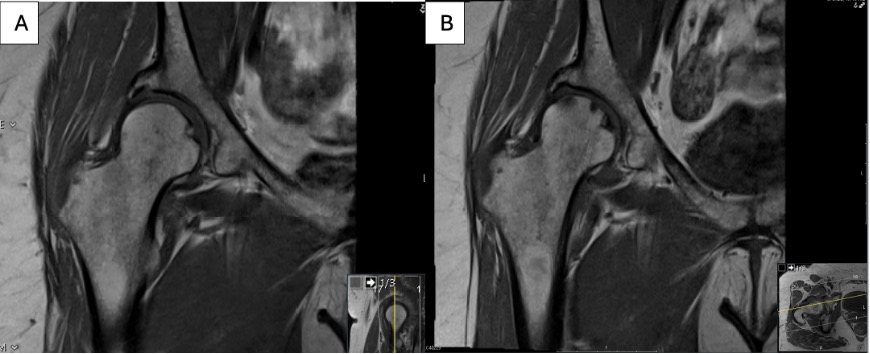
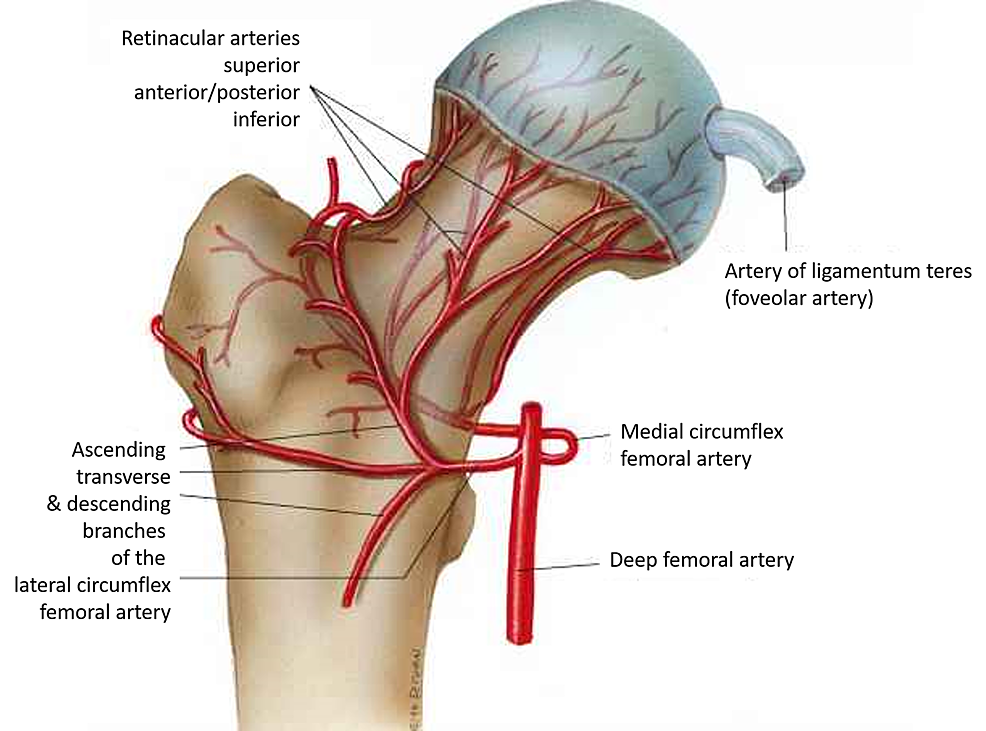
نخر الأوعية الدموية (AVN) من الورك هي حالة تقدمية ناجمة عن انقطاع تدفق الدم إلى رأس الفخذ, مما يؤدي إلى موت أنسجة العظام وتآكل المفاصل.
ولكن ما الذي يجعل هذه الحالة خطيرة بشكل خاص?
ويمكن لأساليب التجديد الحديثة مثل العلاج بالخلايا الجذعية تقديم وسيلة لتجنب الجراحة?
🧠 ماذا يحدث في AVN?
عندما ينخفض تدفق الدم, تبدأ الخلايا العظمية بالموت. متأخر , بعد فوات الوقت, وهذا يؤدي إلى:
- إضعاف هيكلي
- الكسور الدقيقة
- انهيار رأس الفخذ
👉 وهذا يثير سؤالا مهما:
لماذا يتدهور المفصل بهذه السرعة بمجرد بدء العملية؟?
لأن الأنسجة العظمية لا يمكن أن تتجدد بشكل فعال دون إمدادات كافية من الدم.
⚠️ الأعراض
كثيرا ما يسأل المرضى:
👉 لماذا يظهر ألم الورك دون إصابة؟?"
تشمل الأعراض الشائعة:
- ألم عميق في الورك أو في الفخذ
- صلابة
- محدودية الحركة
- الألم أثناء المشي
في مراحل متقدمة:
- ألم مستمر
- صعوبة في المشي
- انهيار مشترك
🔬 حدود العلاج القياسي
يشمل العلاج التقليدي:
- الأدوية
- انخفاض الحمل
- الإجراءات الجراحية
- استبدال الورك
👉 القضية الأساسية:
هذه العلاجات لا تعيد أنسجة العظام الميتة.
🔬 مرحلة المرض واعتبارات العلاج التجديدي
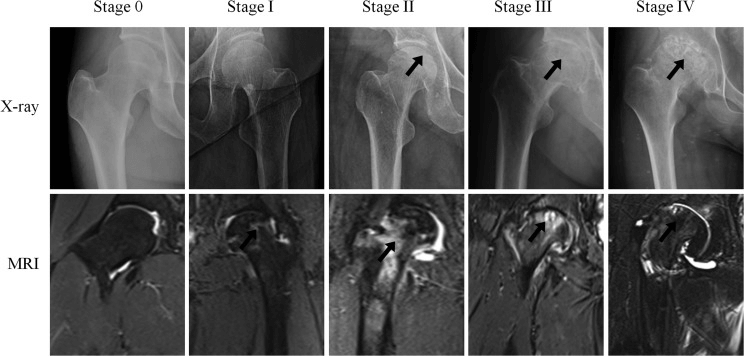
فعالية أساليب العلاج لحالات مثل نخر اللاوعائي في الورك غالبا ما يعتمد على مرحلة وتطور المرض.
👉 وهذا يقودنا إلى سؤال مهم:
هل تؤثر مرحلة المرض على الاستجابة المحتملة للعلاجات التجديدية؟?
🟢 المراحل المبكرة والمتوسطة
في مراحل سابقة, عندما يكون الضرر الهيكلي لا يزال محدودا, هناك عموما إمكانية أكبر ل:
- دعم تجديد العظام
- تحسين إمدادات الدم
- تقليل الالتهاب
- الحفاظ على البنية المشتركة
في هذه المرحلة, أساليب التجديد مثل العلاج بالخلايا الجذعية يتم استكشافها كوسيلة لدعم عمليات الإصلاح البيولوجي.
🟠 مراحل متقدمة
وفي مراحل أكثر تقدما, كثيرا ما يسأل المرضى:
👉 "هل فات الأوان للنظر في طرق بديلة؟?"
في حين أن التغييرات الهيكلية قد تكون كبيرة بالفعل, قد لا تزال استراتيجيات العلاج تركز على:
- تحسين الوظيفة
- تقليل الأعراض
- دعم الأنسجة العظمية المتبقية
- تأخير استبدال المفاصل
🔬 استراتيجيات العلاج الفردية
يعتمد الطب التجديدي على البروتوكولات الفردية.
قد تختلف طرق العلاج اعتمادًا على:
- مرحلة AVN
- درجة انهيار العظام
- حالة المريض
- العوامل السريرية
🔁 النهج المتكررة والمرحلية
سؤال شائع آخر:
👉 "هل جلسة علاج واحدة كافية؟?"
في بعض الحالات, خاصة في الظروف التقدمية, ويمكن النظر في اتباع نهج مرحلي, مشتمل:
- إجراءات المتابعة
- التطبيقات المتكررة
- مراقبة طويلة المدى
🌍 لماذا برشلونة?
في أ مختبر التكنولوجيا الحيوية في برشلونة, إسبانيا, فريق دولي مع أكثر من 25 سنوات من الخبرة في العلاج بالخلايا الجذعية يركز على:
- حالات العظام المعقدة
- استراتيجيات العلاج الشخصية
- النهج التجديدي
🔬 العلاج بالخلايا الجذعية وتجديد العظام
تتم دراسة العلاج بالخلايا الجذعية:
- تجديد العظام
- تحسين الدورة الدموية
- السيطرة على الالتهاب
- الدعم الهيكلي
🧠 لماذا يبحث المرضى عن البدائل
يبحث العديد من المرضى:
👉 "هل يمكنني تجنب استبدال مفصل الورك؟?"
هذا هو المكان الذي يصبح فيه الطب التجديدي ذا صلة.
🔬 مستقبل علاج AVN
👉 السؤال الرئيسي:
وهل سيركز العلاج المستقبلي على الحفاظ على المفاصل بدلا من استبدالها?
📩 الاتصال
إذا كنت تستكشف خيارات لـ نخر الأوعية الدموية, يمكنك الاتصال بالفريق الطبي أدناه.

مراجعة الحالة العلمية
هل ترغب في فهم ما إذا كانت البرامج السريرية الحالية, التطورات البحثية الأخيرة, أو قد تكون النهج الناشئة ذات الصلة بحالتك الفردية?
أرسل سؤالك إلى فريقنا العلمي. يقوم المكتب الرئيسي لـ NBScience في المملكة المتحدة بتنسيق الاستفسارات عبر الشبكة الدولية للمراكز الطبية, العلماء, و استشاريين متخصصين.
- مراجعة المعلومات التي تقدمها
- البحوث ذات الصلة ومعلومات البرنامج السريري
- استجابة واضحة تركز على حالتك
لا التزام. سيتم مراجعة سؤالك بسرية.
المعلومات التعليمية والبحثية فقط. هذه الخدمة لا تشكل نصيحة طبية, تشخبص, روشتة, أو شخصية توصية العلاج.

