Last updated: August 17, 2026


4
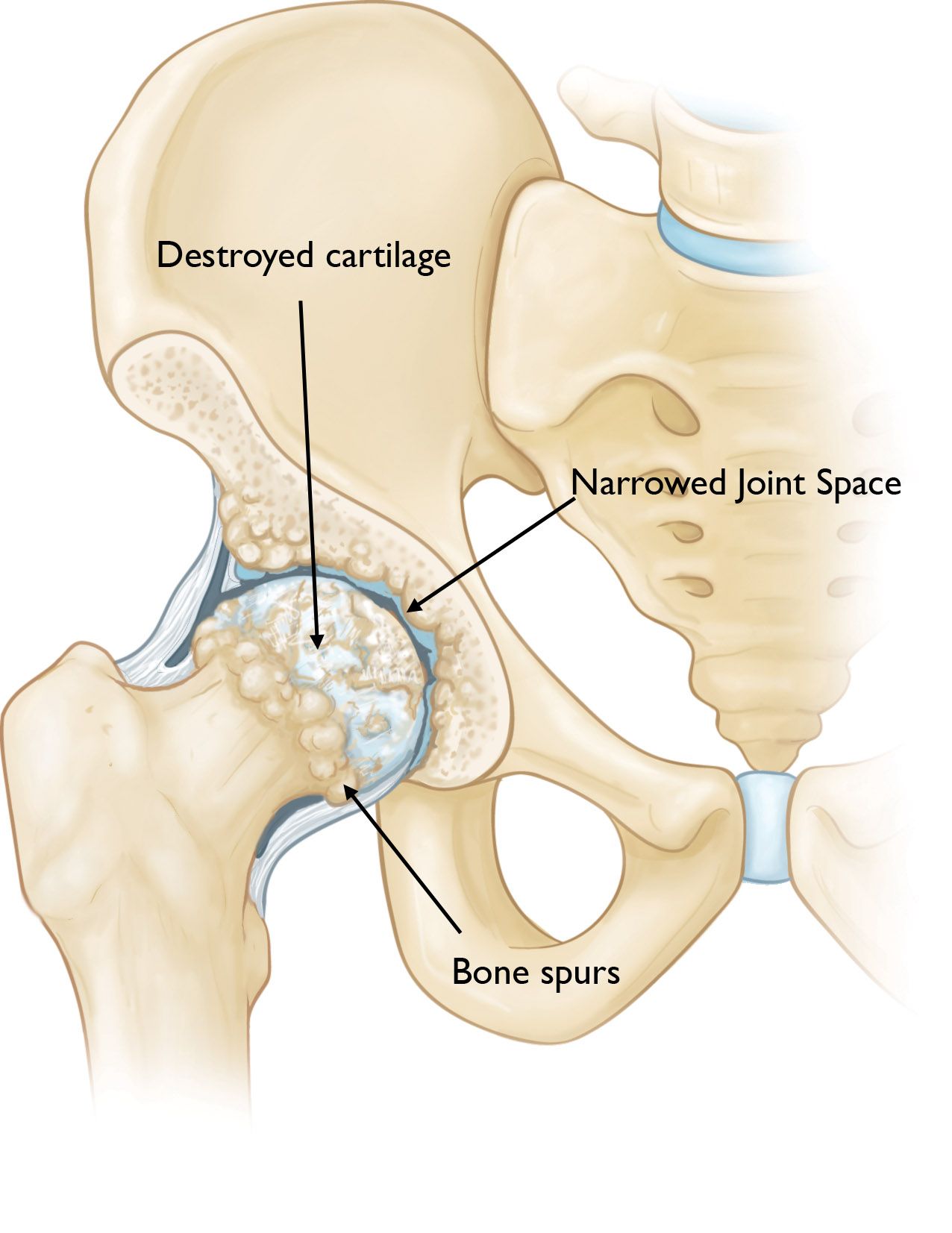
Osteoarthritis (OA) is one of the most common degenerative joint diseases, affecting millions of people worldwide. It is characterized by the progressive breakdown of cartilage, leading to pain, stiffness, and reduced mobility.
But why does osteoarthritis develop? And more importantly — is it possible to restore damaged cartilage instead of replacing the joint?
🧠 What Happens in Osteoarthritis?
Cartilage acts as a protective layer between bones. In osteoarthritis, this cartilage gradually wears down.
As a result:
- bones begin to rub against each other
- inflammation develops
- joint structure becomes altered
👉 This leads to a key question:
Why does cartilage not heal on its own?
Unlike other tissues, cartilage has very limited blood supply, making natural regeneration extremely slow.
⚠️ What Are the Symptoms of Osteoarthritis?
Patients often ask:
👉 “Is my joint pain normal aging or something more serious?”
Common symptoms include:
- joint pain during movement
- stiffness, especially in the morning
- swelling
- reduced flexibility
In advanced stages:
- constant pain
- joint deformity
- limited mobility
🔬 What Are the Current Treatment Options?
Standard treatment focuses on symptom management:
- pain medications
- anti-inflammatory drugs
- physical therapy
- corticosteroid injections
- joint replacement surgery
⚠️ Why Do These Treatments Have Limits?
👉 Here is the key issue:
None of these treatments restore cartilage.
They may:
- reduce pain
- improve mobility temporarily
But they do not reverse the underlying degeneration.
❓ Can Joint Replacement Be Avoided?
This is one of the most important questions patients ask:
👉 “Is surgery my only option?”
For many patients, especially in early stages, the answer may be no.
🔬 How Does Stem Cell Therapy Work in Osteoarthritis?
Stem cell therapy is being studied as a potential way to support cartilage repair and joint health.
Mesenchymal stem cells may:
- reduce inflammation
- support cartilage regeneration
- improve joint lubrication
- enhance tissue repair
🌍 Why Are Patients Exploring Treatment Abroad?
Patients increasingly search:
👉 “Where can I find advanced regenerative treatments?”
This has led to growing interest in specialized centers.
In a biotechnology laboratory in Barcelona, Spain, an international team with over 25 years of experience in stem cell therapy is developing advanced protocols for joint conditions.
🔬 What Makes This Approach Different?
Unlike conventional treatments, regenerative approaches aim to:
- target the disease at a biological level
- support natural healing
- improve long-term outcomes
❓ Is Stem Cell Therapy Effective for Osteoarthritis?
Research suggests that stem cell therapy may help in:
- early stages
- moderate degeneration
- patients seeking alternatives to surgery
However, outcomes vary depending on the condition.

Scientific Case Review
Would you like to understand whether current clinical programs, recent research developments, or emerging approaches may be relevant to your individual situation?
Send your question to our scientific team. The NBScience head office in the United Kingdom coordinates inquiries across international network of medical centres, scientists, and specialised consultants.
- Review of the information you provide
- Relevant research and clinical program information
- A clear response focused on your situation
No obligation. Your question will be reviewed confidentially.
Educational and research information only. This service does not constitute medical advice, diagnosis, prescription, or a personalized treatment recommendation.

