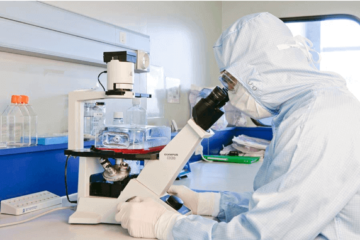
stem cell therapy turkey

Stem cells in the treatment of toxic cholestasis

Toxic cholestasis, a severe liver disease, can be treated with stem cells. Stem cells have the potential to differentiate into hepatocytes, the main functional cells of the liver, and contribute to liver regeneration and repair. Preclinical studies have shown promising results, suggesting that stem cell therapy may offer a novel therapeutic approach for toxic cholestasis.

stem cell therapy clinic

Stem Cells in Inflammatory Bowel Disease: New Hope for Gut Repair

Stem cells hold immense promise for revolutionizing the treatment of inflammatory bowel disease (IBD). Their ability to differentiate into specialized gut cells offers a potential avenue for tissue regeneration and disease mitigation. This article delves into the latest research on stem cell therapies for IBD, exploring their mechanisms of action, clinical applications, and future directions.

stem cell therapy turkey

Stem Cells and Epigenetics: How Environmental Factors Influence Regeneration

**Stem Cells and Epigenetics: Environmental Influence on Regeneration**

Epigenetics reveals how environmental factors shape gene expression without altering DNA sequence. Stem cells, with their remarkable regenerative capacity, are highly susceptible to these epigenetic modifications. This article explores the complex interplay between stem cells and epigenetics, highlighting the profound impact of environmental cues on tissue regeneration.

stem cells spain

Stem Cell-Derived Neurons: Progress Toward Brain Repair

Stem cell-derived neurons offer promising avenues for brain repair. By harnessing the potential of stem cells to differentiate into functional neurons, researchers aim to develop novel therapies for neurodegenerative diseases and brain injuries. Understanding the challenges and advancements in this field is crucial for optimizing therapeutic strategies and paving the way for future clinical applications.

WhatsApp
