Última atualização: Agosto 17, 2026


4
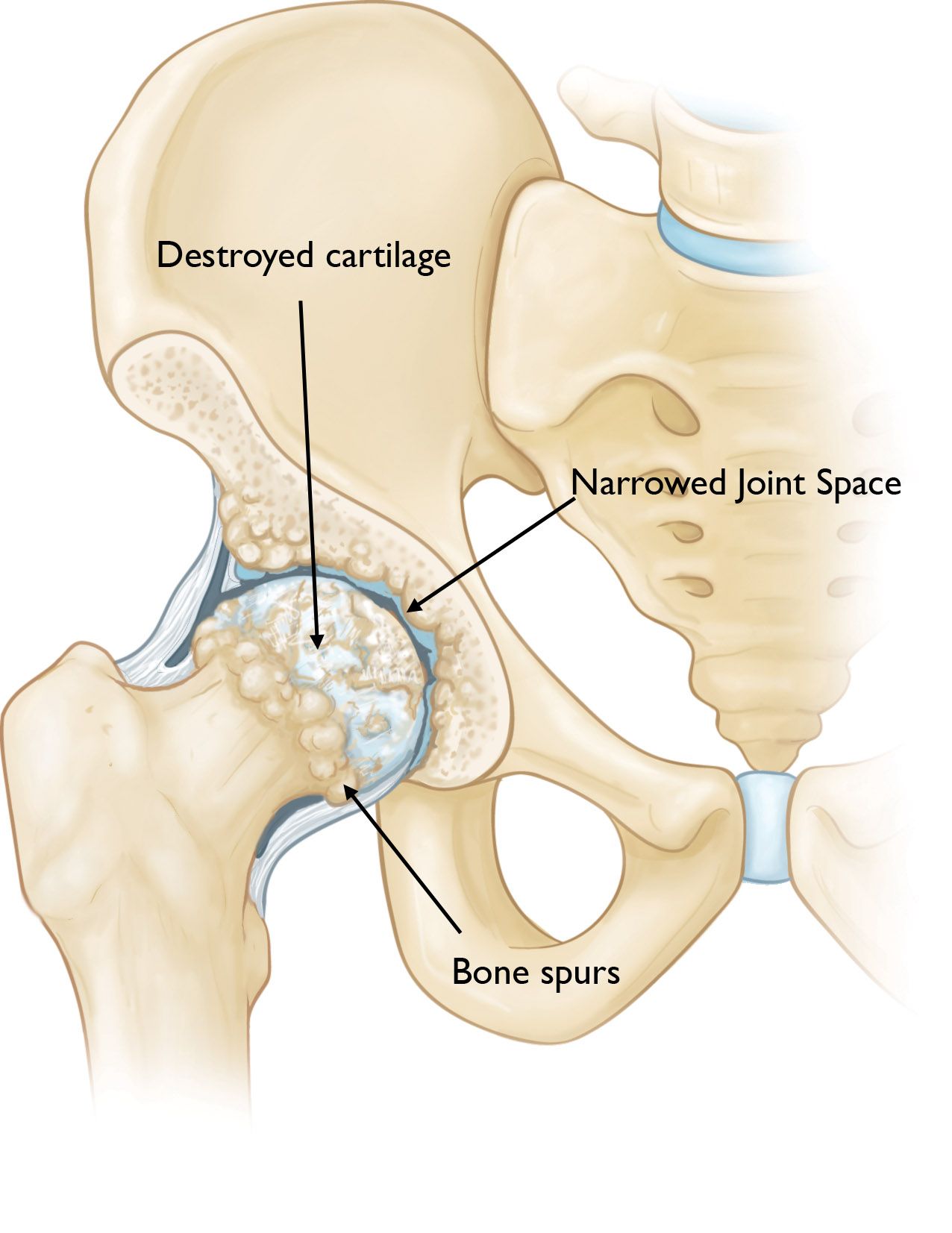
Osteoartrite (OA) é uma das doenças articulares degenerativas mais comuns, afetando milhões de pessoas em todo o mundo. É caracterizado pela quebra progressiva da cartilagem, levando à dor, rigidez, e mobilidade reduzida.
Mas por que a osteoartrite se desenvolve? E mais importante - é possível restaurar a cartilagem danificada em vez de substituir a articulação?
🧠 O que acontece na osteoartrite?
A cartilagem atua como uma camada protetora entre os ossos. Na osteoartrite, esta cartilagem se desgasta gradualmente.
Como resultado:
- ossos começam a esfregar uns contra os outros
- inflamação se desenvolve
- estrutura articular fica alterada
👉 Isso leva a uma questão chave:
Por que a cartilagem não cicatriza sozinha?
Ao contrário de outros tecidos, cartilagem tem suprimento sanguíneo muito limitado, tornando a regeneração natural extremamente lenta.
⚠️ Quais são os sintomas da osteoartrite?
Os pacientes muitas vezes perguntam:
👉 “Minha dor nas articulações é normal do envelhecimento ou algo mais sério?”
Os sintomas comuns incluem:
- dor nas articulações durante o movimento
- rigidez, especialmente de manhã
- inchaço
- flexibilidade reduzida
Em estágios avançados:
- dor constante
- deformidade articular
- mobilidade limitada
🔬 Quais são as opções de tratamento atuais?
O tratamento padrão concentra-se no gerenciamento dos sintomas:
- medicamentos para dor
- medicamentos anti-inflamatórios
- fisioterapia
- injeções de corticosteróides
- cirurgia de substituição articular
⚠️ Por que esses tratamentos têm limites?
👉 Aqui está a questão principal:
Nenhum desses tratamentos restaura a cartilagem.
Eles podem:
- reduzir a dor
- melhorar a mobilidade temporariamente
Mas eles não revertem a degeneração subjacente.
❓ A substituição articular pode ser evitada?
Esta é uma das perguntas mais importantes que os pacientes fazem:
👉 “A cirurgia é minha única opção?”
Para muitos pacientes, especialmente nos estágios iniciais, a resposta pode ser não.
🔬 Como funciona a terapia com células-tronco na osteoartrite?
Terapia com células-tronco está sendo estudado como uma forma potencial de apoiar o reparo da cartilagem e a saúde das articulações.
As células-tronco mesenquimais podem:
- reduzir a inflamação
- apoiar a regeneração da cartilagem
- melhorar a lubrificação das articulações
- melhorar a reparação dos tecidos
🌍 Por que os pacientes estão explorando o tratamento no exterior?
Os pacientes procuram cada vez mais:
👉 “Onde posso encontrar tratamentos regenerativos avançados?”
Isto levou a um interesse crescente em centros especializados.
Em um laboratório de biotecnologia em Barcelona, Espanha, uma equipe internacional com mais 25 anos de experiência em terapia com células-tronco está desenvolvendo protocolos avançados para doenças articulares.
🔬 O que torna esta abordagem diferente?
Ao contrário dos tratamentos convencionais, abordagens regenerativas visam:
- visar a doença a nível biológico
- apoiar a cura natural
- melhorar os resultados a longo prazo
❓ A terapia com células-tronco é eficaz para osteoartrite?
A pesquisa sugere que a terapia com células-tronco pode ajudar na:
- estágios iniciais
- degeneração moderada
- pacientes que procuram alternativas à cirurgia
No entanto, os resultados variam dependendo da condição.

Revisão de Caso Científico
Você gostaria de entender se os programas clínicos atuais, desenvolvimentos de pesquisa recentes, ou abordagens emergentes podem ser relevante para sua situação individual?
Envie sua dúvida para nossa equipe científica. A sede da NBScience no Reino Unido coordena consultas em toda a rede internacional de centros médicos, cientistas, e consultores especializados.
- Revisão das informações que você fornece
- Informações relevantes sobre pesquisas e programas clínicos
- Uma resposta clara focada na sua situação
Sem obrigação. Sua pergunta será analisada confidencialmente.
Apenas informações educacionais e de pesquisa. Este serviço não constituem aconselhamento médico, diagnóstico, prescrição, ou um personalizado recomendação de tratamento.

