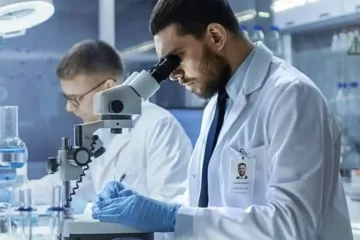
العلاج بالخلايا الجذعية holds immense promise for the treatment of cardiac damage following myocardial infarction (نوبة قلبية). This article provides an overview of the current state of the field, highlighting key breakthroughs, التحديات, والاتجاهات المستقبلية.
Overview of Stem Cell Therapy for Cardiac Damage
يحدث احتشاء عضلة القلب عندما يتم حظر تدفق الدم إلى القلب, causing tissue death. العلاج بالخلايا الجذعية aims to regenerate damaged heart tissue by delivering stem cells to the infarcted area. Stem cells have the capacity to self-renew and differentiate into various cell types, بما في ذلك خلايا عضلة القلب (خلايا عضلة القلب).
دراسات ما قبل السريرية على فعالية الخلايا الجذعية
Preclinical studies in animal models have demonstrated the efficacy of العلاج بالخلايا الجذعية in improving cardiac function after infarction. Studies have shown that stem cells can reduce infarct size, enhance angiogenesis (تكوين الأوعية الدموية الجديدة), and promote cardiomyocyte regeneration.
Stem Cell Delivery Methods for Cardiac Regeneration
Various methods have been developed for delivering stem cells to the heart. These include direct intramyocardial injection, transendocardial injection, and catheter-based delivery. The optimal delivery method depends on factors such as the type of stem cells used and the patient’s condition.
Mechanisms of Stem Cell-Mediated Repair
Stem cells exert their therapeutic effects through multiple mechanisms, including paracrine signaling, cell fusion, and transdifferentiation. Paracrine signaling involves the release of growth factors and cytokines that promote cell survival, تولد الأوعية, and tissue repair. Cell fusion occurs when stem cells fuse with existing cardiomyocytes, potentially restoring their function. Transdifferentiation refers to the conversion of stem cells into cardiomyocytes.
Clinical Trials of Stem Cell Therapy in Infarction
Clinical trials have shown promising results for العلاج بالخلايا الجذعية في المرضى الذين يعانون من احتشاء عضلة القلب. Studies have demonstrated improvements in left ventricular ejection fraction (a measure of heart function), reduced infarct size, and enhanced myocardial perfusion. لكن, أكبر, randomized trials are needed to confirm these findings and establish the long-term safety and efficacy of العلاج بالخلايا الجذعية.
Patient Selection and Stem Cell Dosing Strategies
Patient selection and stem cell dosing strategies are crucial for optimizing therapeutic outcomes. Factors to consider include the patient’s age, comorbidities, and the severity of the infarction. The optimal dose of stem cells is still being investigated, but preclinical studies suggest that higher doses may be associated with better results.
Long-Term Outcomes and Safety Considerations
Long-term outcomes after العلاج بالخلايا الجذعية are still being evaluated. Some studies have reported sustained improvements in cardiac function, while others have shown a decline over time. Safety concerns include the potential for arrhythmias, تشكيل الورم, and immune rejection. Careful monitoring and long-term follow-up are essential to ensure patient safety.
Advances in Stem Cell Engineering for Cardiac Repair
Advances in stem cell engineering have the potential to enhance the efficacy and safety of العلاج بالخلايا الجذعية. Researchers are developing methods to improve stem cell survival, التمايز, and integration into the heart. Genetic engineering techniques can be used to modify stem cells to express specific genes or proteins that promote cardiac repair.
Ethical and Regulatory Implications of Stem Cell Therapy
العلاج بالخلايا الجذعية raises important ethical and regulatory considerations. These include concerns about the use of embryonic stem cells, احتمالية تشكل الورم, and the need for informed consent. Regulatory agencies play a crucial role in ensuring the safety and ethical conduct of stem cell research and clinical trials.
Future Directions in Stem Cell Research for Infarction
سوف تركز الأبحاث المستقبلية على تحسين طرق توصيل الخلايا الجذعية, improving stem cell survival and integration, and developing novel stem cell engineering strategies. بالإضافة إلى ذلك, research is needed to identify biomarkers that can predict therapeutic response and to establish standardized protocols for العلاج بالخلايا الجذعية.
Challenges and Opportunities in Clinical Translation
The clinical translation of العلاج بالخلايا الجذعية for cardiac infarction faces challenges, including the need for larger, randomized trials, the development of standardized protocols, and the establishment of reimbursement mechanisms. لكن, الفوائد المحتملة ل العلاج بالخلايا الجذعية are significant, and continued research and collaboration are essential to overcome these challenges and bring this promising therapy to patients.
Emerging Therapies Combining Stem Cells with Biomaterials
Emerging therapies combine stem cells with biomaterials to enhance their therapeutic potential. Biomaterials can provide a scaffold for stem cell growth and differentiation, تعزيز تجديد الأنسجة, and reduce the risk of arrhythmias. The combination of stem cells and biomaterials holds promise for further advancing the treatment of cardiac damage post-infarction.
العلاج بالخلايا الجذعية has the potential to revolutionize the treatment of cardiac damage post-infarction. Preclinical studies and early clinical trials have shown promising results, but further research is needed to optimize delivery methods, improve stem cell survival and integration, وتحديد السلامة والفعالية على المدى الطويل. Advances in stem cell engineering and the combination of stem cells with biomaterials hold great promise for the future of this therapeutic approach.


المعلومات الواردة في هذه الصفحة مخصصة للأغراض العلمية, التعليمية, والأغراض المعلوماتية العامة. النهج السريرية, التوفر, وقد يختلف الوضع التنظيمي حسب البلد, مؤسسة, والإشارة الطبية. للقرارات الطبية الفردية, يجب على القراء استشارة المتخصصين المؤهلين في الرعاية الصحية والمراكز الطبية المعتمدة.
تم إعداد هذه المقالة من قبل فريق تحرير NBScience ضمن نطاق البحث السريري, التكنولوجيا الحيوية, ومعلومات طبية عالمية.