4
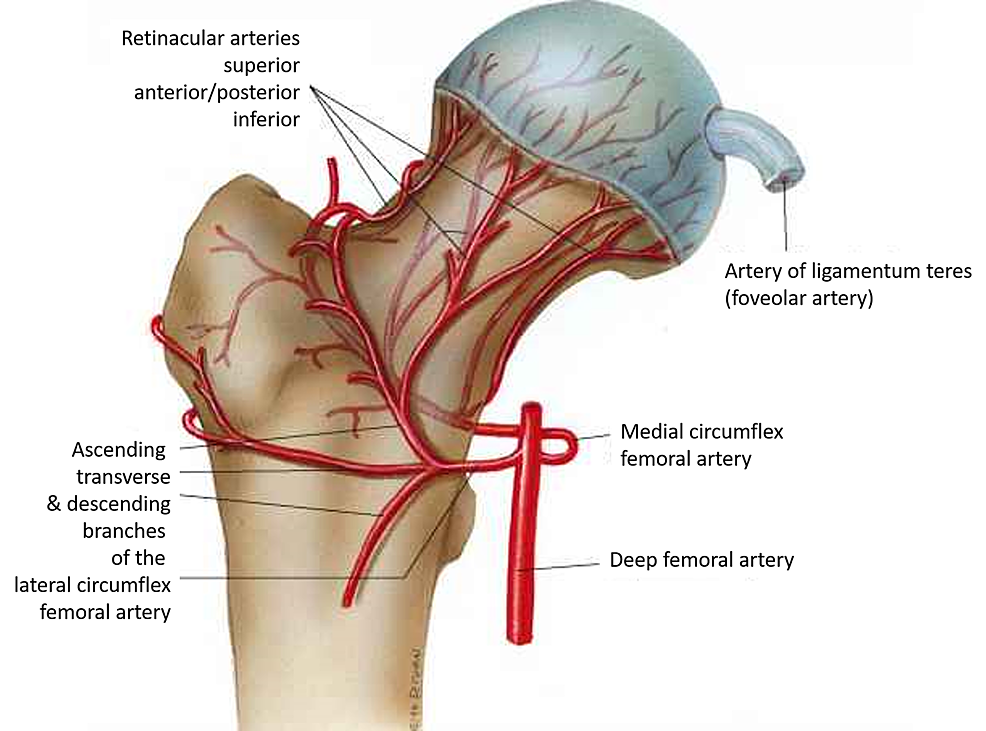
Avasküler Nekroz (AVN) of the hip, also known as osteonecrosis, is a progressive and potentially disabling condition caused by a loss of blood supply to the femoral head. Without adequate blood flow, bone tissue begins to die, leading to structural collapse of the joint over time.
But what exactly causes AVN? And more importantly — can modern treatments like stem cell therapy offer an alternative to surgery?
🧠 What Is Avascular Necrosis and Why Does It Occur?
AVN develops when the delicate blood supply to the femoral head becomes disrupted. This can happen due to:
- long-term corticosteroid use
- excessive alcohol consumption
- trauma or hip injury
- blood vessel disorders
- certain chronic medical conditions
When blood flow is reduced, bone cells cannot survive. Mesai, this leads to bone weakening, microfractures, and eventual collapse of the femoral head.
👉 But why is this condition so serious?
Because once structural damage begins, the joint may deteriorate rapidly.
⚠️ What Are the Early Symptoms of AVN?
One of the biggest challenges with AVN is that early stages may be almost asymptomatic.
Fakat, as the condition progresses, patients often ask:
👉 “Why am I feeling deep pain in my hip even without injury?”
Common symptoms include:
- deep pain in the hip or groin
- discomfort when walking or standing
- stiffness in the joint
- reduced range of motion
In later stages:
- pain becomes constant
- movement becomes limited
- walking becomes difficult
👉 This raises an important question:
Can AVN be detected early enough to prevent joint collapse?
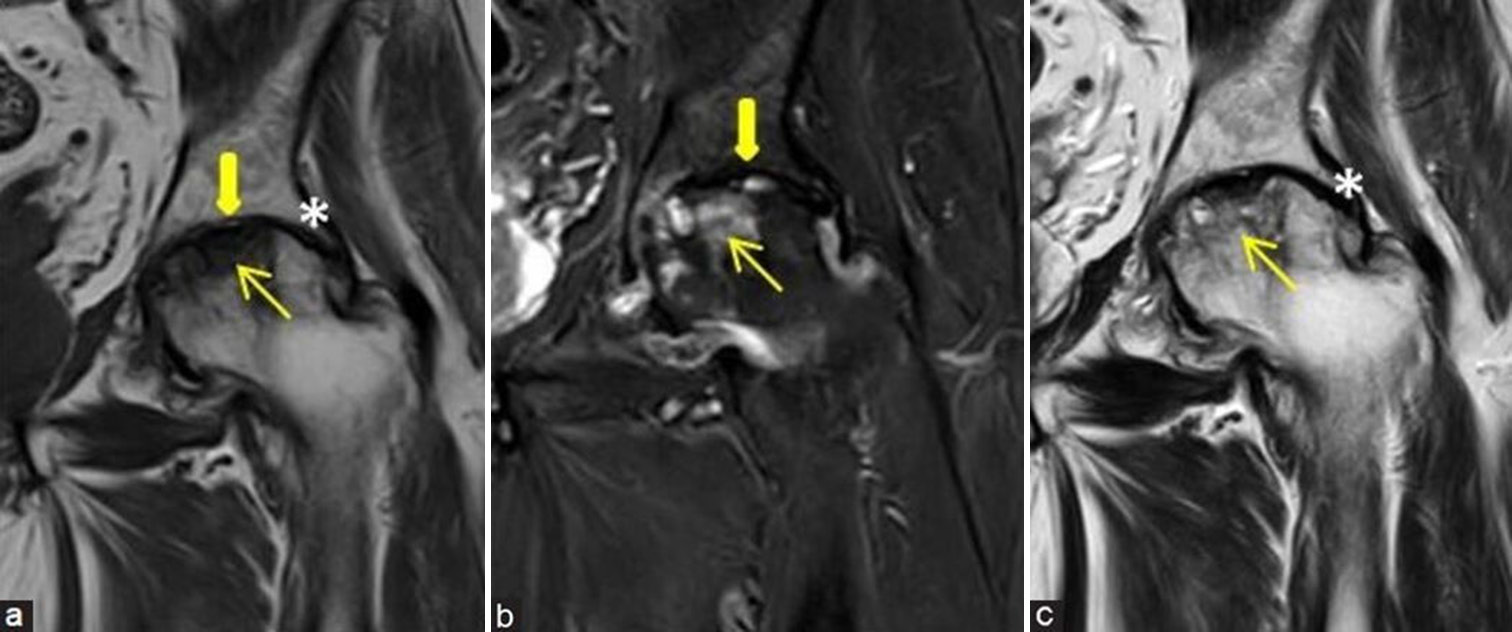
Yes — early diagnosis through MRI can identify AVN before structural damage becomes severe.
🔬 What Happens If AVN Is Left Untreated?
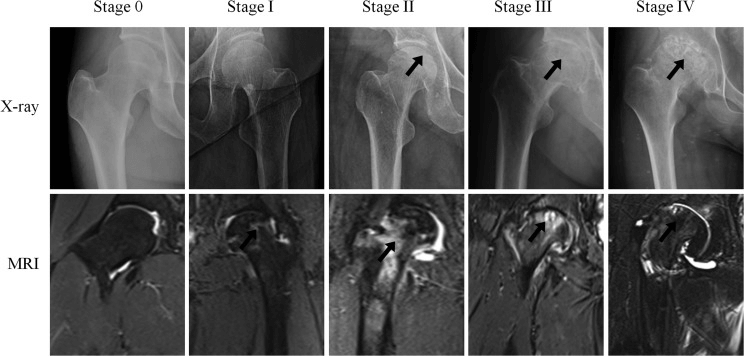
Without intervention, AVN typically progresses through stages:
- Reduced blood flow
- Bone cell death
- Structural weakening
- Collapse of the femoral head
- Secondary arthritis
👉 So what does this mean for patients?
Birçok durumda, it leads to total hip replacement surgery, especially in advanced stages.
⚠️ Why Do Conventional Treatments Often Fall Short?
Standard treatment options include:
- pain medications
- reduced weight-bearing
- fizik tedavi
- core decompression surgery
- total hip replacement
👉 But here is the key issue:
Most conventional treatments do not restore dead bone tissue.
They may:
- relieve symptoms
- yavaş ilerleme
But they do not reverse the underlying damage.
❓ Can Surgery Be Avoided?
This is one of the most common questions patients ask:
👉 “Is it possible to avoid hip replacement?”
The answer depends on:
- stage of the disease
- extent of bone damage
- timing of intervention
In early stages, there is growing interest in regenerative approaches.
🔬 How Does Stem Cell Therapy Work in AVN?
Kök hücre tedavisi is being actively studied as a way to support bone repair at the cellular level.
But what makes it different?
Unlike conventional treatments, stem cells can:
- support kemik yenilenmesi
- promote anjiyogenez (yeni kan damarı oluşumu)
- iltihabı azaltmak
- improve the local biological environment
👉 This leads to another key question:
Can stem cells actually help restore damaged bone?
Research suggests that mezenkimal kök hücreler (MSC'ler) may contribute to repair processes, particularly in early and mid-stage AVN.
🌍 Why Are Patients Traveling for Stem Cell Therapy?
Many patients today are not limited to local treatment options.
They ask:
👉 “Where can I find advanced regenerative medicine?”
This has led to increased interest in specialized centers.
bir Barselona'daki biyoteknoloji laboratuvarı, İspanya, an international team of scientists and medical specialists has been working in stem cell therapy for over 25 yıllar.
🔬 What Makes Barcelona Different?
The Barcelona-based approach is built on:
- long-term scientific experience
- controlled laboratory protocols
- multidisciplinary collaboration
- personalized treatment strategies
👉 Why does experience matter?
Because stem cell therapy is not a simple procedure — it requires:
- precise cell handling
- biological expertise
- clinical understanding
🧠 What Is the Goal of Regenerative Therapy?
The goal is not just symptom relief.
Yerine, it focuses on:
- preserving the joint
- supporting natural repair
- işlevi iyileştirme
- delaying or avoiding surgery
👉 This leads to a crucial question:
Is regenerative medicine the future of orthopedic treatment?
Many experts believe it will play an increasingly important role.