Última atualização: Agosto 17, 2026
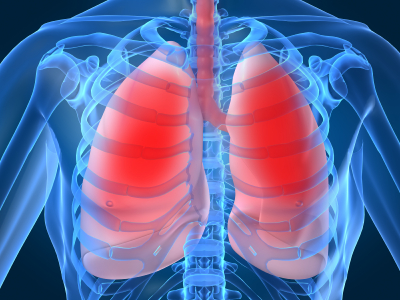
Novas abordagens para a prevenção, diagnóstico e tratamento de doenças pulmonares
Datas: abril 03, 2021
O registro on-line é necessário.
Nenhuma admissão sem confirmação de inscrição.

(prazo final – Janeiro 12, 2020)
Tópicos principais:
O objetivo da conferência é reunir líderes
doenças pulmonares e infecciosas cientistas clínicos e básicos,
médicos praticantes, líderes da indústria e estagiários para dois dias de palestras
e discussões com foco em infecções pulmonares. Informações derivadas
de modalidades diagnósticas e terapêuticas emergentes rapidamente, bem como a
papel das infecções nas doenças pulmonares crônicas tornam este tema de importância significativa
interesse para as comunidades de doenças pulmonares e infecciosas.
AGENDA:
- 1. Diagnóstico da tuberculose em termos de cepas resistentes de Mycobacterium tuberculosis e infecções por HIV.
- 2. Abordagens modernas para o tratamento da tuberculose multirresistente e da tuberculose com resistência expandida.
- 3. Coinfecção tuberculose/HIV: casos novos e C de doenças.
- 4. Bronquite crônica: espalhar, etiologia do agravamento, tratamento.
- 5. Questões urgentes sobre diagnóstico e tratamento de doenças crônicas de sibilância.
- 6. Pneumonia adquirida na comunidade e adquirida no hospital: classificação, diagnóstico e tratamento.
- 7. Terapia antibacteriana de infecções do trato respiratório inferior.
- 8. Fibrose pulmonar idiopática: diagnóstico e tratamento.
- 9. Problemas de patologia ocupacional.
- 10. Defeitos congênitos e doenças pulmonares hereditárias.
- 11. Questões candentes da cirurgia torácica.
09:30-10:00 Infecções e pacientes críticos: problemas emergentes e estratégias clínicas
10.00-10.30 Como otimizar o uso de antibióticos em infecções respiratórias10h30-11h00 Exames de imagem no tratamento de malignidades torácicas11h00-11h20 Como incentivar a adesão à terapia
11.20-11.50 Tuberculose: inovações na gestão clínica e de saúde pública
11.50-12.10 Redução endoscópica do volume pulmonar
12.10-12.30 Distúrbios respiratórios obstrutivos do sono durante a infância: diagnóstico, morbidade associada e tratamento
12.30-13.00 Almoço
13.00-13.30 Como construir um laboratório experimental de pulmão animal
13.30-14.00 Medicina respiratória pediátrica
14.00-14.30 Teste de exercício cardiopulmonar na avaliação de pacientes com doenças respiratórias
14.30-15.00 Avaliação de novas tecnologias na DPOC
15.00-15.30 Conhecimento de espirometria e habilidades básicas
15.30-15.40 Quebrar
15.40-16.00 Novos insights sobre troca gasosa: aspectos fisiológicos e aplicação clínica
16.00-16.30 VNI em áreas de crescimento
16.30-17.00 Avaliação do estado de saúde e qualidade de vida em pacientes com asma e DPOC
17.00-17.20 Testes de diagnóstico para pneumologistas pediátricos
17.20-17.40 Complicações respiratórias de pacientes obesos
17.40-18.00 Uma atualização do estadiamento invasivo do mediastino
Chamada para resumos de pôsteres:
Datas importantes:
Prazo para submissão de resumos: Marchar 20
Notificação de aceitação: Marchar 22
A Comissão do Programa Científico convida você a submeter sua pesquisa na forma de um resumo de uma página (2500 personagens) . Aceitamos submissões baseadas em pesquisas acadêmicas . Resumos de estudos de caso também serão bem-vindos.
Os resumos devem incluir material e dados inéditos. Não serão aceitos materiais que tenham sido publicados formalmente até as datas de submissão dos resumos.. A maioria dos resumos sem dados para apoiar as conclusões serão rejeitados. No entanto, resumos que descrevem o desenho do estudo e métodos para estudos bem desenvolvidos e/ou financiados (ou seja, sem resumos para estudos piloto ou preliminares) pode ser considerado para apresentação de pôster dependendo da qualidade do resumo.
Todos os resumos serão revisados anonimamente por pares, pontuado e escolhido por mérito para apresentação de pôster.
Indivíduos cujos resumos forem selecionados serão obrigados a se inscrever no encontro; não serão aceitos resumos de autores que não se inscreverem.
(prazo final – Janeiro 12, 2020)

.

Revisão de Caso Científico
Você gostaria de entender se os programas clínicos atuais, desenvolvimentos de pesquisa recentes, ou abordagens emergentes podem ser relevante para sua situação individual?
Envie sua dúvida para nossa equipe científica. A sede da NBScience no Reino Unido coordena consultas em toda a rede internacional de centros médicos, cientistas, e consultores especializados.
- Revisão das informações que você fornece
- Informações relevantes sobre pesquisas e programas clínicos
- Uma resposta clara focada na sua situação
Sem obrigação. Sua pergunta será analisada confidencialmente.
Apenas informações educacionais e de pesquisa. Este serviço não constituem aconselhamento médico, diagnóstico, prescrição, ou um personalizado recomendação de tratamento.