01
Damage signal
Injured cells and tissue generate molecular signals, including S1P.
A clear patient guide to Multilineage-differentiating Stress Enduring cells: how they recognise signals from damaged tissue, how they differ from conventional mesenchymal stromal cells, and how a specialist Barcelona pathway can be evaluated.
MUSE is not a marketing synonym for every stem cell. It refers to a naturally occurring, stress-enduring population identified within mesenchymal tissues and cell preparations. Published research commonly characterises MUSE cells by SSEA-3 positivity together with mesenchymal markers.
MUSE cells were described as a small population within broader mesenchymal stromal cell preparations. In laboratory studies they express pluripotency-associated markers at moderate levels and can generate cell types representing the three embryonic germ layers. Unlike embryonic stem cells and induced pluripotent stem cells, MUSE cells have not shown teratoma formation in the foundational experimental literature.
The word stress-enduring reflects their ability to survive conditions that eliminate many other cells. This resilience is relevant because injured tissue is inflammatory, oxygen-poor and biologically hostile.
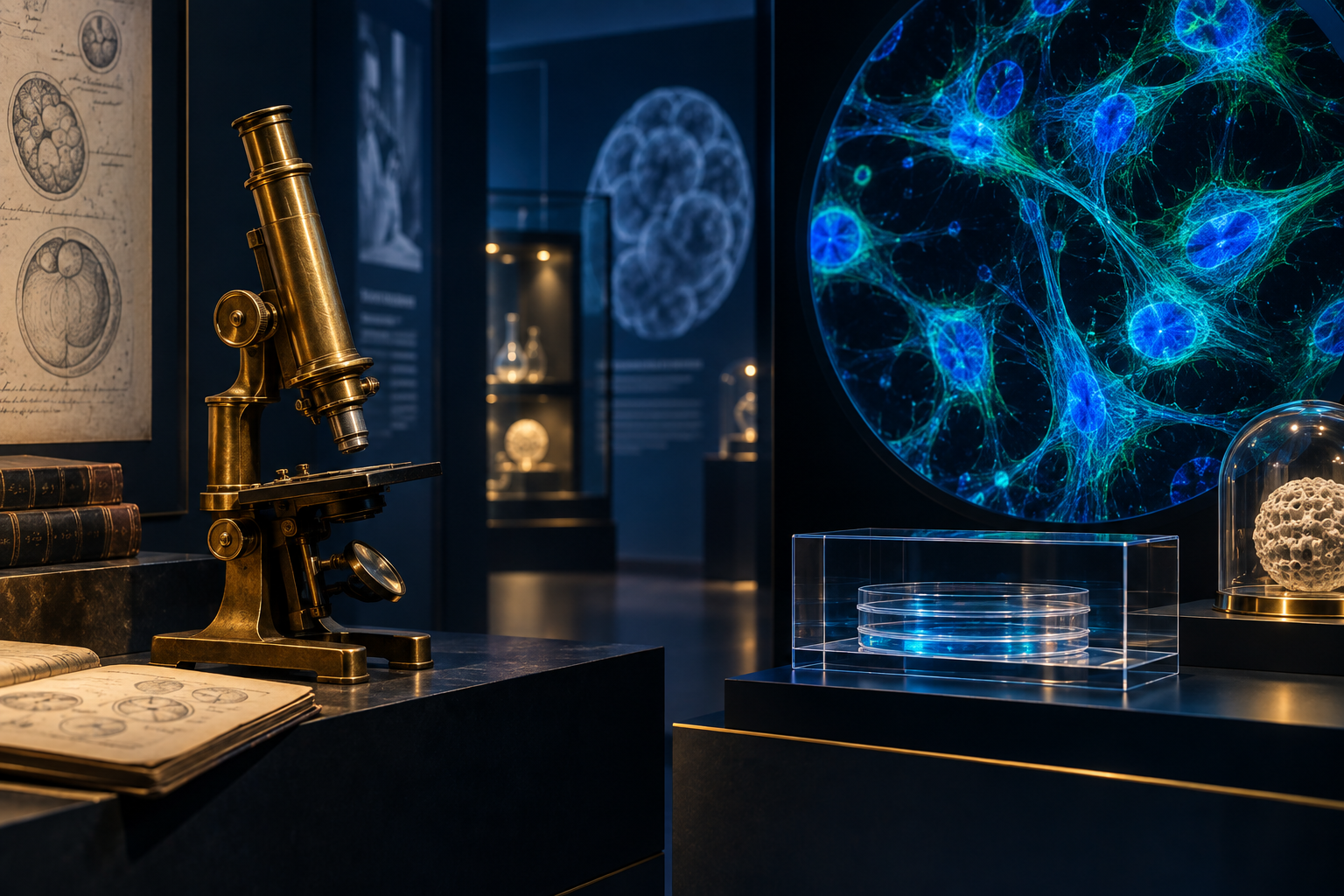
The best-described homing mechanism involves sphingosine-1-phosphate (S1P), a signal released in increased amounts by damaged cells, and its receptor S1PR2 on MUSE cells. The sequence below is a simplified educational model based on experimental research.
Injured cells and tissue generate molecular signals, including S1P.
S1PR2 expressed by MUSE cells participates in sensing the S1P gradient.
In animal studies, intravenously delivered MUSE cells preferentially migrate towards injured tissue.
After arrival, experimental studies report survival, tissue-compatible differentiation and paracrine support.
Both populations may provide anti-inflammatory, antifibrotic and tissue-supporting signals. The central experimental distinction is that selected MUSE cells show stronger targeted homing and direct tissue integration in several models, while ordinary MSC effects are often predominantly paracrine.
Illustrative comparison reported in a rabbit acute myocardial infarction model after intravenous administration—not a universal human treatment rate. Yamada and colleagues’ model, summarised in Dezawa 2025, found approximately 15% homing for MUSE cells and fewer than 1% for non-MUSE MSCs.
MUSE cell research has progressed from cell biology and animal models into early human studies. The evidence is promising but indication-specific. “Studied in people” is not the same as universally approved or proven.
A small placebo-controlled study evaluated a single intravenous dose of allogeneic CL2020 14–28 days after stroke. It provided an important clinical signal while remaining exploratory because of sample size and the need for confirmation.
Read the publication →An early clinical report assessed intravenous CL2020 after STEMI and described feasibility, safety observations and cardiac-function signals. Larger controlled studies are required to establish benefit.
Read the publication →A human study evaluated a single intravenous donor-MUSE-cell administration in cervical traumatic spinal cord injury, focusing first on safety and feasibility.
Read the publication →Experimental studies report homing, differentiation towards liver-associated cell types and antifibrotic or protective effects. This does not yet establish routine clinical treatment of human cirrhosis.
Review the evidence →Animal models of stroke, spinal injury and other neurological damage show migration to lesions and neural-lineage participation. Human efficacy must be established independently.
View spinal-injury research →A genuine MUSE-cell claim should identify the selected population, characterisation method, purity, viability, dose, manufacturer and certificate of analysis. Generic MSCs should not be relabelled as MUSE cells.
Foundational comparison →These images are educational visualisations rather than patient histology. They illustrate the different cellular environments investigated in regenerative science.
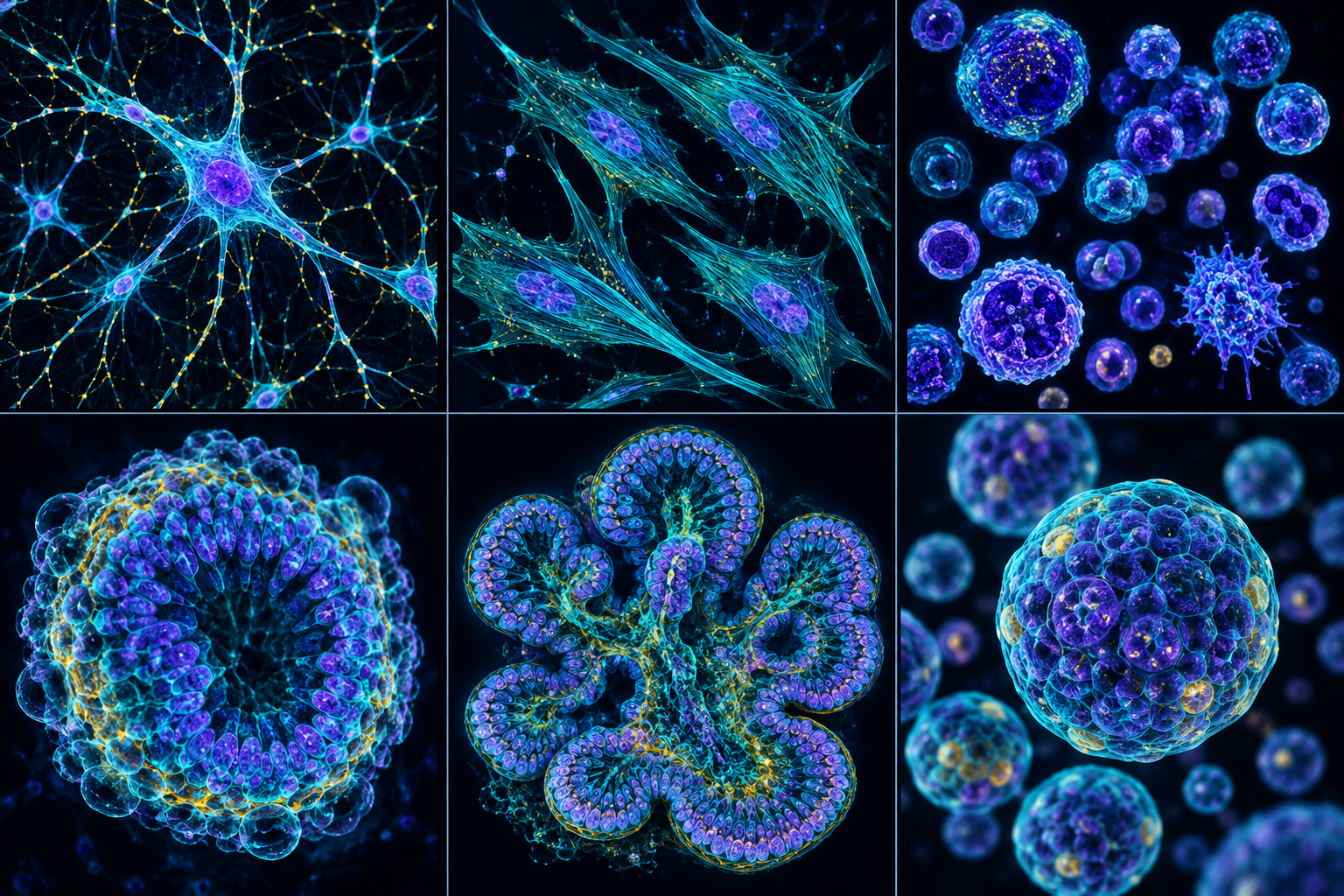
Research asks whether targeted cells can survive, support neural networks and participate in tissue repair after injury.
Models assess homing to ischaemic myocardium, integration, scar size and functional recovery.
Liver studies examine cellular replacement, inflammation, fibrosis and functional markers.
A serious programme welcomes verification. These questions help separate documented MUSE-cell science from a generic stem-cell offer.
Ask for SSEA-3-based characterisation, the percentage of the selected population and a certificate of analysis. The mere presence of a small number of MUSE cells inside an ordinary MSC preparation does not make the product equivalent to a selected MUSE-cell preparation.
Request the publication for the same condition, cell product, route and disease stage. Evidence from an animal liver model cannot prove benefit after human stroke, and an exploratory stroke trial cannot validate every neurological indication.
Experimental studies support homing, integration and tissue-compatible differentiation. Human organ repair is a clinical outcome that must be demonstrated for each indication. No responsible clinician should guarantee organ reconstruction or functional recovery.
Barcelona can provide the setting for case assessment and coordinated clinical and laboratory planning. Actual administration depends on product access, physician approval, facility documentation and the applicable regulatory route at the time of treatment.
A written plan should define clinical outcomes, laboratory monitoring, imaging where appropriate, adverse-event reporting, rehabilitation and communication with the patient’s home physician.
Patients and clinicians should open the original publications and verify that each claim matches the studied product, population and endpoint.
Send the diagnosis, age, current treatment and recent medical reports. NBScience will assess whether a documented MUSE-cell discussion is scientifically and operationally appropriate.