Ultima actualizare: august 17, 2026
Introduction
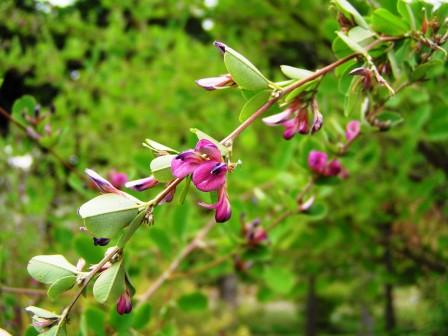
Lespedeza is a genus of perennial or annual herbs and shrubs belonging to the Fabaceae family, commonly found in East Asia and North America. Among its species, Lespedeza capitata, Lespedeza bicolor, and Lespedeza cuneata have been extensively studied for their medicinal properties. Traditionally used in phytotherapy, Lespedeza extracts are now recognized for their potential in managing kidney-related disorders, particularly in the prevention and mitigation of chronic kidney disease (CKD).
Bioactive Components of Lespedeza
Lespedeza is rich in a variety of bioactive compounds, inclusiv:
- Flavonoids (de ex., quercetin, kaempferol, catechins)
- Isoflavones (de ex., genistein, daidzein)
- Tannins
- Saponins
- Phenolic acids
These phytochemicals contribute to Lespedeza’s antioxidant, anti-inflammatory, and vasoprotective properties, which are pivotal in renal protection.
Pharmaceutical Forms of Lespedeza
Modern pharmaceutical advancements have enabled the development of Lespedeza-based preparations in both encapsulated (solid) and liquid forms.
1. Encapsulated Forms:
- Capsules containing Lespedeza extract are standardized for specific flavonoid and isoflavone content.
- These capsules ensure controlled release, stability, and targeted delivery, optimizing systemic bioavailability.
- Typically used in the context of long-term renal support and CKD prophylaxis.
2. Liquid Forms:
- Liquid Lespedeza extracts or tinctures allow for faster absorption and are often recommended for acute cases of renal stress or when rapid onset of action is desired.
- Liquid preparations can be formulated as drops, syrups, or injectable solutions (in clinical settings).
Both forms are used as adjuncts to standard nephroprotective therapies.
Clinical Applications in Kidney Health
1. Prevention of Chronic Kidney Disease (CKD):
Lespedeza extracts have been shown to prevent the progression of early-stage CKD by:
- Reducing oxidative stress in renal tissues.
- Modulating inflammatory pathways to prevent glomerular and tubular injury.
- Enhancing endothelial function in renal vasculature.
2. Supportive Treatment of Renal Insufficiency:
For patients with mild to moderate renal insufficiency, Lespedeza-based products:
- Promote diuresis and improve renal clearance of metabolic waste products.
- Aid in stabilizing glomerular filtration rates (GFR).
- Decrease proteinuria and serum creatinine levels.
Molecular Mechanisms of Action
1. Antioxidant Action:
- Lespedeza flavonoids scavenge reactive oxygen species (ROS) generated in the nephron, especially under hyperglycemic or hypertensive conditions, reducing oxidative stress-induced cellular apoptosis.
2. Anti-Inflammatory Pathways:
- Inhibits nuclear factor-kappa B (NF-κB) signaling.
- Suppresses the production of pro-inflammatory cytokines (de ex., TNF-α, IL-6, IL-1β), thereby reducing chronic low-grade inflammation in renal tissues.
3. Enhancement of Renal Vascularization:
- Upregulates endothelial nitric oxide synthase (eNOS) activity, increasing nitric oxide (NO) production and promoting vasodilation of renal microcirculation.
- Improves microvascular density and perfusion within the glomeruli and peritubular capillaries.
4. Antifibrotic Effect:
- Downregulates transforming growth factor-beta (TGF-β) signaling, preventing the deposition of extracellular matrix components and limiting renal fibrosis.
5. Modulation of RAAS (Renin-Angiotensin-Aldosterone System):
- Lespedeza compounds exhibit mild inhibitory effects on angiotensin-converting enzyme (ACE), reducing angiotensin II levels, which contributes to vasodilation and decreased intraglomerular hypertension.
Role in Delaying CKD Progression
By targeting multiple pathogenic pathways involved in CKD, including oxidative stress, inflamaţie, vascular dysfunction, and fibrosis, Lespedeza extracts help:
- Preserve nephron integrity.
- Enhance renal oxygenation.
- Maintain normal renal hemodynamics.
- Prevent maladaptive structural remodeling of renal tissue.
Conclusion
Lespedeza, in both encapsulated and liquid pharmaceutical forms, represents a promising natural adjunct in the prevention and management of chronic kidney disease and renal insufficiency. Its multifaceted molecular actions—ranging from antioxidant and anti-inflammatory effects to improved renal vascularization and antifibrotic properties—contribute to maintaining kidney function and delaying CKD progression.

Analiza științifică a cazului
Doriți să înțelegeți dacă programele clinice actuale, evoluții recente ale cercetării, sau abordări emergente pot fi relevante pentru situația dumneavoastră individuală?
Distribuiți întrebarea dvs. echipei noastre de cercetare științifică și primiți informaţii concentrate pe domeniile de cercetare curentă care pot fi relevante pentru cazul dvs.
- Revizuirea informațiilor pe care le furnizați
- Informații relevante de cercetare și program clinic
- Un răspuns clar concentrat pe situația dvs
Fără obligație. Întrebarea dvs. va fi examinată în mod confidențial.
Doar informații educaționale și de cercetare. Acest serviciu nu constituie un sfat medical, diagnostic, prescripție medicală, sau personalizat recomandare de tratament.

